Balcony Waterproofing for Long-Lasting Protection
Professional waterproofing systems for high-rise balconies that protect structural concrete and maintain beautiful, functional outdoor spaces.
Balcony waterproofing on high-rise condominiums is not merely a maintenance item—it's a critical building system that protects structural concrete from the water intrusion that leads to expensive deterioration. When balcony waterproofing fails, water reaches embedded reinforcing steel and initiates the corrosion process that ultimately compromises structural capacity. Florida Construction Specialists provides expert balcony waterproofing services that protect Tampa Bay high-rise buildings for years of reliable performance.
The horizontal surfaces of balconies create particularly challenging waterproofing conditions. Unlike vertical walls that shed water, balcony decks collect rainfall and must rely entirely on waterproofing membranes and drainage systems to protect underlying concrete. Add foot traffic, furniture placement, and Tampa Bay's intense UV radiation, and balcony waterproofing faces some of the most demanding conditions any building waterproofing system encounters.
How Balcony Waterproofing Protects Your Building
Understanding the deterioration process explains why proper waterproofing is so critical. Concrete itself is not waterproof—it contains microscopic pores that allow moisture migration. When water penetrates balcony slabs and reaches the steel reinforcing bars embedded within the concrete, it initiates electrochemical corrosion. As steel rusts, it expands to several times its original volume, creating internal pressure that cracks and spalls the surrounding concrete.
Once started, this corrosion-spalling cycle accelerates rapidly. Cracks from initial spalling allow more water penetration, spreading corrosion to adjacent rebar. Each winter-summer cycle (even in Florida, temperature variations stress concrete) and each wetting-drying cycle advances deterioration. Within a few years, minor surface staining can progress to significant structural damage requiring expensive repairs.
Effective waterproofing interrupts this cycle by preventing water from reaching the concrete substrate. Traffic-bearing membrane systems create seamless, flexible barriers that bridge hairline cracks while withstanding the foot traffic, furniture movement, and UV exposure that balconies experience. When properly installed and maintained, these systems provide decades of protection.
SB 4-D Requirements and Balcony Protection
Florida's SB 4-D legislation has elevated the importance of balcony waterproofing for condominium associations. Milestone structural inspections required for buildings three stories or higher specifically evaluate balconies for signs of deterioration. Inspecting engineers look for evidence of water intrusion—efflorescence, rust staining, spalling, and delamination—that indicates waterproofing system failure and structural impact.
When inspections reveal deterioration, associations must address both the structural damage and the underlying waterproofing failures. Simply repairing concrete without restoring waterproofing protection guarantees recurring damage and doesn't satisfy inspection requirements. Comprehensive remediation addresses root causes while restoring structural capacity.
The Structural Integrity Reserve Study (SIRS) mandated by SB 4-D must include balcony waterproofing among components requiring reserve funding. Associations can no longer defer waterproofing maintenance indefinitely—the law requires realistic budgeting for these critical systems. Proactive maintenance that prevents structural damage ultimately costs far less than deferred maintenance that allows deterioration to compound.
Waterproofing System Options
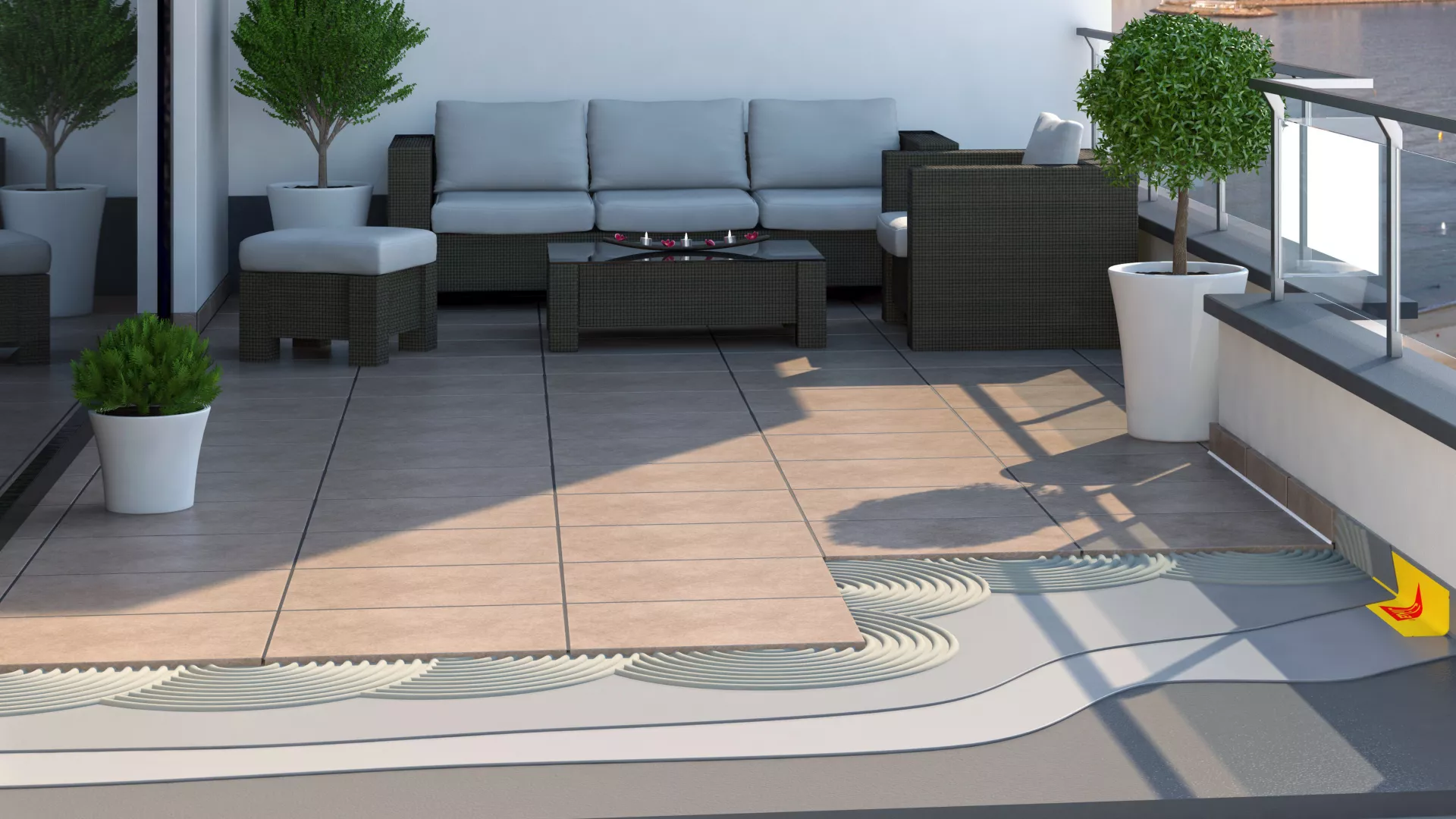
Modern balcony waterproofing systems employ multiple layers that work together to provide protection and durability. Primer coats ensure adhesion to the concrete substrate—a critical factor since adhesion failures are a primary cause of waterproofing system failure. The waterproofing membrane provides the actual water barrier, while topcoats protect the membrane from UV degradation, provide slip resistance, and contribute to aesthetics.
Polyurethane membrane systems offer excellent flexibility and crack-bridging capability—important characteristics for concrete surfaces that experience thermal movement. Quality polyurethane systems maintain their properties through years of UV exposure and can be recoated multiple times before full replacement is required. Color options allow coordination with building aesthetics.
Polyurea coatings cure extremely rapidly—within hours rather than days—minimizing the time balconies are unavailable to residents. The fast cure also reduces the window during which uncured coatings are vulnerable to rain damage, an advantage during Tampa Bay's rainy season. Polyurea systems offer exceptional chemical resistance and abrasion resistance, though typically at higher initial cost than polyurethane alternatives.
Drainage System Integration
Even perfect waterproofing membranes can't protect balconies if water ponds on the surface and eventually finds its way through seams, penetrations, or worn areas. Proper drainage design ensures water moves efficiently off the balcony surface to scuppers or drains. Minimum slope recommendations of 1/4 inch per foot ensure positive drainage under all conditions.
Scupper details require careful waterproofing integration. The membrane must extend through the scupper opening and turn down onto the exterior face to ensure water that enters the scupper cannot bypass the membrane. Scupper boxes, clamping rings, and similar accessories must be compatible with the membrane system and properly integrated during installation.
Overflow provisions protect against flooding when primary drains clog. Secondary scuppers positioned several inches above the primary drain level provide emergency relief during heavy rainfall. Without overflow protection, clogged drains can create standing water deep enough to flood through sliding door thresholds, damaging unit interiors.
Installation Considerations for High-Rise Projects
Balcony waterproofing on high-rise buildings presents logistical challenges that ground-level work doesn't face. Material staging on elevated balconies requires planning to ensure continuous supply during application. Weather exposure at upper floors can be more intense than at grade, with higher wind speeds accelerating evaporation and affecting coating application. Building sway during high wind conditions may require work suspension.
Resident coordination is essential for successful high-rise balcony waterproofing projects. Each unit's balcony must be cleared of furniture, plants, and personal items before work can proceed. Curing times restrict balcony use for 24-72 hours after application depending on products and conditions. Clear communication about schedules and expectations minimizes resident complaints and ensures smooth project progression.
Phasing strategies help manage building-wide balcony waterproofing projects. Working on one building elevation at a time allows residents on unaffected sides to continue normal balcony use. Starting with the most deteriorated areas addresses the greatest risks first while crews refine procedures. Consistent crew assignments ensure quality standards are maintained throughout the project.
Balcony Waterproofing Costs in Tampa Bay
| Service | Cost Range | Unit |
|---|---|---|
| Traffic Coating Recoat (good substrate) | $8 - $15 | Per sq ft |
| Complete Waterproofing System | $20 - $40 | Per sq ft |
| Polyurethane Membrane System | $18 - $30 | Per sq ft |
| Polyurea Membrane System | $22 - $38 | Per sq ft |
| Concrete Repair (prior to waterproofing) | $25 - $60 | Per sq ft |
| Drainage Improvement | $500 - $1,500 | Per balcony |
| Typical Balcony Recoat (50 sq ft) | $400 - $750 | Per unit |
| Typical Balcony Complete (50 sq ft) | $1,000 - $2,000 | Per unit |
*Costs vary based on system selection, substrate condition, and project scale. Contact us for a detailed estimate.
Advanced Waterproofing Technologies for Florida Climate
Florida's aggressive environmental conditions demand advanced waterproofing technologies that go beyond basic water exclusion. Modern balcony waterproofing systems must resist salt air corrosion, UV degradation, thermal cycling, hurricane-force winds, and daily moisture exposure while maintaining structural integrity and aesthetic appeal for decades.
High-performance membrane systems incorporate multiple layers of protection, each engineered for specific functions. Primer layers ensure maximum adhesion to concrete substrates while penetrating and sealing surface pores. Base membranes provide the primary waterproof barrier with crack-bridging capabilities to accommodate structural movement. Intermediate layers offer chemical resistance and enhanced puncture protection. Topcoat systems protect underlying membranes from UV radiation while providing slip resistance and aesthetic finishes.
Polyurethane Membrane Systems
- • Exceptional elasticity accommodates structural movement
- • Superior UV resistance with minimal degradation
- • Seamless application eliminates failure points
- • Chemical resistance to salt spray and pollutants
- • Self-leveling properties create smooth surfaces
- • High-traffic balcony decks
- • Complex geometric surfaces
- • Buildings with significant movement
- • Premium aesthetic requirements
Polyurea Coating Systems
- • Rapid curing minimizes weather exposure during application
- • Exceptional durability and impact resistance
- • Outstanding chemical and abrasion resistance
- • Wide temperature range performance
- • Low-temperature application capability
- • Heavy-traffic commercial balconies
- • Harsh marine environments
- • Time-sensitive renovations
- • High-durability requirements
Professional Installation Process
Successful balcony waterproofing requires meticulous attention to surface preparation, environmental conditions, and application techniques. The installation process follows industry best practices established by ASTM, ICRI, and manufacturer specifications, with additional considerations for Florida's challenging climate conditions.
1Surface Assessment and Preparation
- • Concrete strength testing using rebound hammer
- • Moisture content measurement with calibrated meters
- • Surface bond testing for existing coatings
- • Crack mapping and structural movement assessment
- • Contamination testing for oil, grease, or chemical exposure
- • Mechanical abrading to ICRI CSP-2 or CSP-3 profile
- • Complete removal of loose material and contaminants
- • Crack repair using compatible polymer mortars
- • Substrate moisture reduction if above specification limits
- • Dust removal using industrial vacuum systems
2Primer and Base Membrane Application
- • Penetrating sealers for porous concrete substrates
- • Moisture-tolerant primers for humid conditions
- • Epoxy primers for maximum adhesion strength
- • Application in thin, uniform coats per specifications
- • Proper cure time monitoring before membrane application
- • Multiple coat application for specified dry film thickness
- • Reinforcement fabric embedding in wet membrane
- • Seamless application with proper overlap techniques
- • Flash coating of vertical surfaces and transitions
- • Quality control testing for pinhole defects
3Topcoat and Protection Systems
- • Aliphatic polyurethane topcoats for UV stability
- • Acrylic coatings for enhanced weather resistance
- • Color-stable pigment systems preventing chalking
- • Multiple coat application for uniform appearance
- • Accelerated weathering test validation
- • Anti-slip additives for pedestrian safety
- • Broadcast aggregate systems for heavy traffic areas
- • Elastomeric coatings accommodating movement
- • Chemical resistance for cleaning product exposure
- • Abrasion testing to ensure durability standards
Quality Control and Performance Testing
Professional waterproofing installation requires comprehensive quality control measures throughout the application process. Testing protocols verify that installed systems meet design specifications and will provide expected service life under Florida's challenging environmental conditions.
Installation Quality Control
- Substrate preparation verification: Surface profile measurement, cleanliness inspection, and moisture content documentation
- Material quality control: Batch testing, mix ratio verification, and pot life monitoring during application
- Application monitoring: Film thickness measurement, coverage rate verification, and environmental condition logging
- Cure monitoring: Tack-free time verification, recoat window compliance, and final cure confirmation
Performance Testing
- Waterproof integrity testing: Flood testing or electronic leak detection to verify membrane continuity
- Adhesion testing: Pull-off tests to verify bond strength between membrane and substrate
- Hardness and durability: Shore A durometer testing and abrasion resistance verification
- Drainage verification: Flow testing to ensure proper water removal under design conditions
Environmental Compliance and Sustainability
Modern balcony waterproofing systems incorporate environmental considerations including VOC compliance, sustainable materials, and end-of-life recyclability. Florida's environmental regulations and green building standards influence material selection and application procedures.
Regulatory Compliance
- VOC Regulations: Low-emission coatings meeting EPA and state air quality standards
- Water Quality Protection: Runoff management preventing contamination of storm water systems
- Waste Management: Proper disposal of removed materials and application waste
- Safety Standards: Worker protection and resident safety during application
Sustainable Practices
- Extended Service Life: High-performance systems reducing replacement frequency
- Energy Efficiency: Reflective coatings reducing cooling loads in high-rise buildings
- Resource Conservation: Precise application minimizing material waste
- Recyclable Materials: System components with end-of-life recovery options
Why Choose Florida Construction Specialists
Frequently Asked Questions
Related Articles
Balcony Restoration & Waterproofing for Longevity
Protect your investment with restoration systems engineered for 20+ years of service.
Read MoreFlorida SB4-D Compliance Guide
Essential requirements for condo milestone inspections and structural integrity reserves.
Read MoreEffective Balcony Maintenance Tips
Proactive maintenance strategies to extend balcony lifespan and prevent costly repairs.
Read MoreCondo Balcony Inspection Requirements
Understanding inspection requirements under Florida's updated condo safety legislation.
Read MoreProtect Your Balconies with Professional Waterproofing
Contact Florida Construction Specialists for expert balcony waterproofing that prevents structural damage and maintains beautiful outdoor spaces.