Discover the Best Balcony Decking Options for High-Rise Buildings
Premium decking solutions for Tampa Bay condominiums that combine aesthetics, durability, and code compliance.
Balcony decking transforms utilitarian concrete slabs into attractive outdoor living spaces that enhance both daily enjoyment and unit values. For high-rise condominiums, decking selection involves more than just aesthetics—structural capacity, waterproofing integration, fire code compliance, and maintenance accessibility all factor into the decision. Florida Construction Specialists helps Tampa Bay building owners and associations select and install balcony decking systems that perform beautifully throughout their service lives.
Following Florida's SB 4-D legislation, decking selection has gained additional importance. Milestone structural inspections require access to evaluate waterproofing systems and structural conditions beneath finished surfaces. Decking materials that facilitate inspection access—rather than complicate it—support association compliance requirements while protecting the investment in quality finishes.
Understanding Decking System Types
Balcony decking systems fall into two broad categories: integral systems that combine waterproofing and finished surface, and overlay systems that install over separate waterproofing membranes. Each approach offers distinct advantages, and the optimal choice depends on your building's specific conditions and requirements.
Integral deck coating systems apply directly to concrete substrates, providing waterproofing protection and decorative finish in a single, bonded system. These coatings are thin (typically 40-120 mils total thickness), maintaining original balcony elevations and door threshold relationships. Colors and textures can be customized, from solid colors to decorative chip broadcasts that simulate natural stone. Because the coating bonds directly to concrete, substrate preparation is critical for system success.
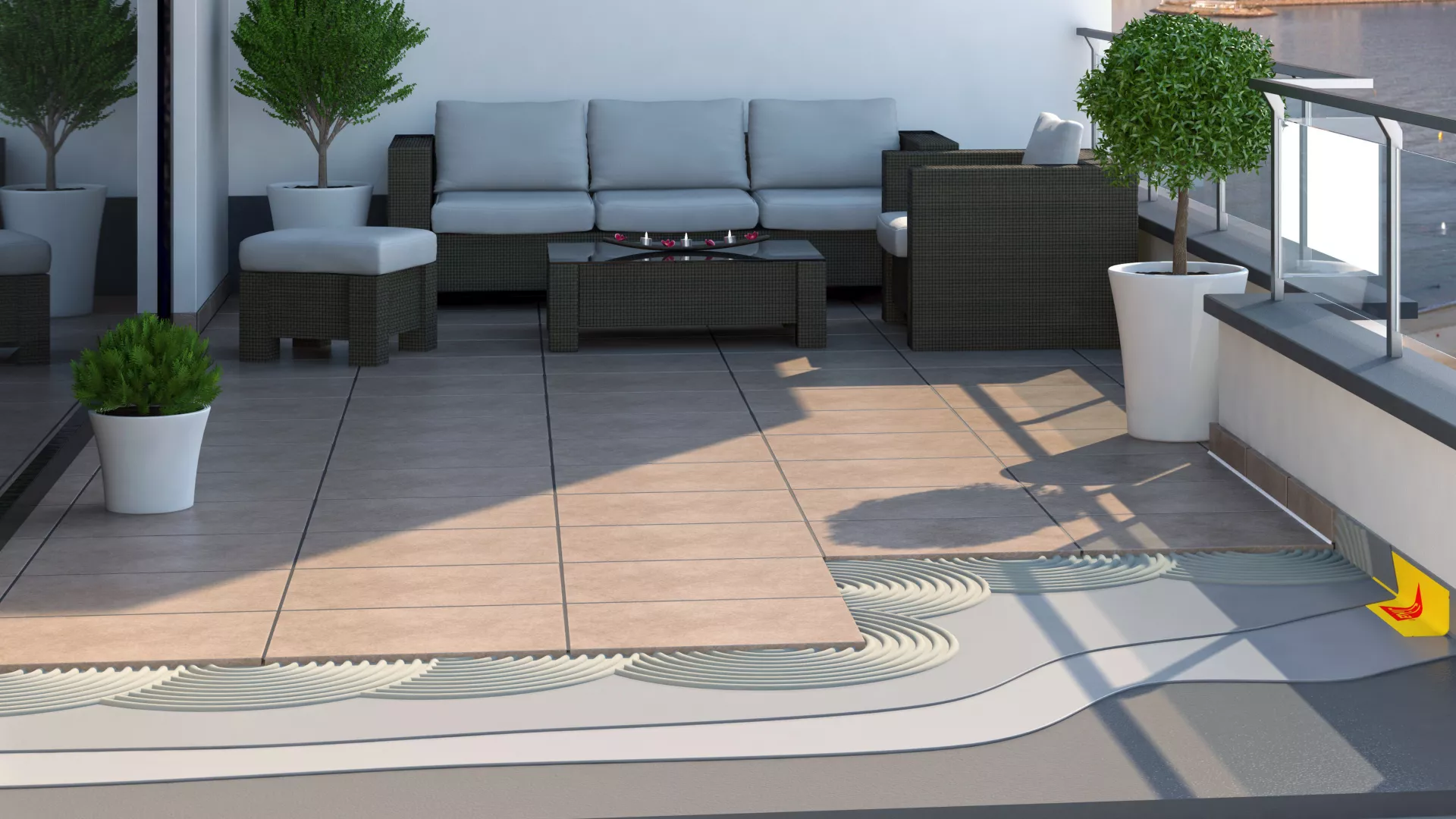
Overlay decking systems install above the structural slab and waterproofing membrane, creating a finished walking surface separate from the waterproofing layer. This separation offers several advantages: waterproofing can be maintained or replaced without disturbing decorative surfaces, drainage flows beneath the decking rather than across it, and a wider range of finish materials becomes possible. The trade-off includes added height (typically 1-3 inches), drainage complexity, and the need to coordinate two separate systems.
SB 4-D Compliance Considerations
Florida's SB 4-D legislation creates practical implications for balcony decking selection. Milestone inspections require engineers to assess structural conditions and waterproofing system performance. Decking materials that allow easy removal and replacement facilitate these inspections without requiring expensive reconstruction. Permanently adhered surfaces that must be destroyed for inspection access add cost and complexity to the inspection process.
Pedestal-supported paver systems offer particular advantages for SB 4-D compliance. Individual pavers lift out easily, providing immediate access to the waterproofing membrane beneath. After inspection, pavers reinstall without special tools or skills. This accessibility simplifies both scheduled inspections and emergency repairs if leaks develop. The slight additional cost of pedestal systems often pays for itself in reduced future maintenance complexity.
Structural load considerations affect SIRS reserve planning for associations. Heavier decking materials increase dead loads on balcony slabs—loads that must be accommodated within the structure's design capacity. Documentation of decking weights supports the engineering calculations that inform reserve studies. When decking replacement is eventually needed, reserve funding must be adequate to cover the selected system.
Porcelain Paver Systems
Porcelain pavers have become the premium choice for high-rise balcony decking in Tampa Bay. These dense, virtually non-porous tiles offer exceptional durability, fade resistance, and low maintenance requirements. Available in sizes from 12x12 to 24x48 inches and thicknesses from 3/4 to 1 inch, porcelain pavers accommodate various design visions and structural requirements.
Pedestal support systems elevate porcelain pavers above the waterproofing membrane, creating a drainage cavity that allows water to flow freely to drains. Adjustable pedestals compensate for slope variations, creating level walking surfaces even on sloped balcony slabs. The elevated installation provides superior drainage performance while protecting the waterproofing system from UV exposure and mechanical damage from furniture.
Design options for porcelain pavers are virtually unlimited. Stone looks replicate granite, marble, travertine, and slate at a fraction of the weight and cost. Wood looks provide the warmth of timber without the maintenance requirements. Concrete and terrazzo patterns suit modern architectural styles. Custom sizes and patterns create distinctive installations that enhance building identity.
Deck Coating Systems
Deck coating systems offer cost-effective, lightweight solutions that provide both waterproofing and finished surface in a single installation. Multi-coat systems typically include primers for adhesion, waterproofing membranes for protection, and topcoats for UV resistance, wear resistance, and aesthetics. Total system thickness of 40-120 mils maintains original elevations at doors and edges.
Decorative options for deck coatings include solid colors, multi-color fleck broadcasts, and quartz aggregate systems that create durable, attractive surfaces. Stencil patterns can simulate tile or stone at lower cost than actual tile installation. Slip-resistant textures ensure safe walking surfaces even when wet—an important consideration for Tampa Bay's frequent rainfall.
Maintenance requirements for deck coatings include periodic recoating (typically every 5-10 years) to maintain appearance and protection. Because coatings bond directly to concrete, surface preparation before recoating is critical. When properly maintained, quality deck coating systems can provide 20-25 years of service before complete replacement becomes necessary.
Natural Stone and Tile Options
Natural stone tiles create luxurious balcony surfaces that enhance high-end condominium units. Granite, slate, and quartzite offer excellent durability for outdoor applications. Travertine and marble provide classic elegance but require sealing and more careful maintenance. Weight considerations become important with thick stone tiles—structural evaluation confirms that balcony slabs can support the added dead load.
Installation methods for stone tile depend on waterproofing system requirements. Thin-set applications bond tiles directly to compatible waterproofing membranes, creating a permanent installation. Pedestal support systems allow stone tiles (cut to paver dimensions) to install above membranes without adhesive, preserving inspection access. Mortar-bed installations over waterproofing provide maximum flexibility for irregular stone but add significant weight.
Composite and Alternative Decking Materials
Composite decking materials offer another category of balcony finishing options with unique performance characteristics. Wood-plastic composite (WPC) products combine wood fibers with polymers to create materials that resist rot, insects, and moisture while providing natural wood aesthetics. Advanced composite formulations include UV inhibitors that prevent color fading common in earlier composite products.
Interlocking deck tile systems provide removable decking solutions that install without adhesives or permanent fasteners. These tiles typically feature polymer bases with various surface materials—wood composite, stone composite, or artificial grass. The modular design allows easy removal for waterproofing access and facilitates replacement of damaged sections without affecting surrounding areas.
Aluminum decking systems offer exceptional corrosion resistance for coastal environments. Powder-coated aluminum grating or solid panels provide durable surfaces with minimal thermal expansion. While appearance options are more limited than other materials, aluminum systems work well for balconies requiring maximum durability with minimal maintenance. The lightweight construction doesn't stress structural capacity of balcony slabs.
Environmental Performance in Tampa Bay Climate
Tampa Bay's subtropical climate presents specific challenges for balcony decking materials. High humidity affects material dimensional stability and promotes biological growth. Intense UV radiation fades colors and degrades polymer-based materials. Daily thermal cycling from air-conditioned interiors to hot exteriors creates significant temperature differentials that stress material joints and connections. Salt air accelerates corrosion of metallic components.
UV resistance becomes critical for long-term appearance retention. Porcelain pavers offer excellent UV stability with minimal color change over their service life. Stone tiles vary—granite and quartzite maintain color well, while some sedimentary stones may fade. Deck coatings require UV-stable pigments and topcoat systems. Composite materials need advanced UV inhibitor packages to prevent early degradation.
Thermal performance affects both comfort and material durability. Dark-colored surfaces can reach extreme temperatures that make balconies unusable during summer afternoons. Light colors reflect heat for better comfort but may show dirt more readily. Textured surfaces provide slip resistance but can retain heat and be harder to clean. Thermal expansion considerations affect joint design and spacing for rigid materials like stone.
Waterproofing Integration and Compatibility
Successful balcony decking installations require careful integration with waterproofing systems. Direct-applied coatings and thin-set tile installations must use waterproofing membranes specifically rated for their intended covering. Chemical compatibility between decking adhesives and membrane materials is essential to prevent delamination or membrane degradation over time.
Pedestal systems offer advantages for waterproofing protection and maintenance. The elevated installation protects membranes from UV exposure that can degrade polymer-based waterproofing over time. Foot traffic and furniture movement occur on the decking rather than directly on the membrane. Access for membrane inspection and repair doesn't require decking removal—a significant advantage for buildings subject to SB 4-D inspection requirements.
Drainage design becomes more complex with overlay decking systems. Water must flow through or around the decking to reach drain points. Pedestal systems create drainage cavities beneath decking, but proper slopes must still direct water to drains. Edge details require special attention to prevent water from flowing off balcony edges or into adjacent building elements. Overflow provisions handle storm conditions when primary drainage becomes inadequate.
Installation Techniques and Quality Control
Installation quality determines the long-term performance of any decking system. Surface preparation requirements vary by system—deck coatings require clean, dry substrates with proper surface profile for adhesion. Tile installations need level, stable surfaces with appropriate waterproofing membranes. Pedestal systems require accurate slope surveying to achieve level finished surfaces despite sloped structural slabs.
Environmental conditions during installation affect system performance. Temperature and humidity limits must be observed for coating applications and adhesive curing. Wind conditions can affect spray-applied materials and lightweight components. Rain protection prevents water contamination during cure periods. Professional contractors understand these requirements and adjust schedules accordingly.
Quality control procedures verify proper installation and system performance. Joint spacing and alignment affect both appearance and water management. Adhesion testing confirms proper bonding between layers. Level and slope verification ensure proper drainage. These quality measures prevent premature failures that could compromise waterproofing systems or require expensive corrections.
Load Considerations and Structural Compatibility
Balcony decking adds dead load to structural slabs that must be evaluated against design capacity. Thin deck coatings add negligible weight (typically 1-3 psf), while thick stone installations can add 15-30 psf or more depending on setting bed thickness and stone density. These loads may exceed the reserve capacity available in older buildings designed to minimum standards.
Structural evaluation by a qualified engineer determines whether proposed decking loads are acceptable. Original design drawings and specifications provide baseline load capacities. Field investigation may be required to verify actual construction details and material strengths. Load calculations consider both dead loads from decking materials and live loads from furniture and occupancy.
For buildings approaching SB 4-D milestone inspections, structural evaluation becomes part of the compliance process. Documenting actual loads from decking materials supports the engineering calculations required for inspection reports. If decking loads exceed structural capacity, remediation may require lighter systems or structural reinforcement—both considerations for reserve study planning.
Maintenance Requirements and Life-Cycle Costs
Maintenance requirements significantly affect the total cost of ownership for balcony decking systems. Deck coatings typically require recoating every 5-10 years to maintain appearance and protection. Power washing annually removes biological growth and surface contaminants. Touch-up applications address minor damage before widespread coating failure occurs.
Stone and porcelain paver systems require minimal ongoing maintenance. Occasional cleaning and joint sand replenishment for sand-set installations maintain appearance and stability. Individual pavers can be replaced if damaged without affecting surrounding areas. The durability of quality pavers often provides 25-30 years of service with minimal maintenance beyond cleaning.
Composite materials require periodic cleaning and may need protective treatments to maintain appearance. Some composite products require annual or bi-annual applications of protective stains or sealers. UV damage that affects early composite products may require sanding and refinishing. Newer formulations with improved UV resistance reduce these maintenance requirements.
Fire Safety and Code Compliance
Fire safety requirements affect material selection for balcony decking, particularly in high-rise buildings. Florida Building Code addresses both flame spread characteristics of surface materials and the fire resistance of overall floor assemblies. Materials used on balcony surfaces must meet specified flame spread and smoke development ratings when tested according to ASTM E84.
Stone and ceramic materials typically provide excellent fire performance with minimal flame spread or smoke generation. Organic materials including wood and many composites require fire-retardant treatments or careful product selection to meet code requirements. Some polymer-based deck coatings may require special formulations for high-rise applications where fire safety is particularly critical.
Fire-rated floor assemblies may impose restrictions on materials and installation methods. Penetrations through fire-rated slabs for deck attachment or drainage must maintain the assembly's fire resistance rating. Compatibility between decking systems and any required fireproofing materials needs verification during design. These requirements can influence both material selection and installation costs.
Aesthetic Coordination and Design Flexibility
Balcony decking contributes significantly to building aesthetics and unit marketability. Material selection affects both individual unit appeal and overall building character. Uniform materials throughout the building create cohesive appearance, while varied materials can provide visual interest but may complicate maintenance and replacement planning for associations.
Color coordination with building architecture affects material selection. Light colors complement contemporary designs while providing better heat reflection. Earth tones suit traditional architecture but may show less contrast with dirt and staining. Bold colors create visual impact but risk becoming dated and may limit future material options if individual replacement becomes necessary.
Pattern and texture options vary significantly among material types. Large-format pavers create clean, modern appearances with fewer joints. Mixed sizes and patterns provide traditional looks but increase installation complexity. Textured surfaces add visual interest and slip resistance but can be harder to clean and maintain. These aesthetic choices affect both initial costs and long-term maintenance requirements.
Project Phasing and Resident Impact Management
Large-scale balcony decking projects require careful scheduling to minimize resident disruption while maintaining project efficiency. Building-wide projects can achieve significant cost savings through volume purchasing and efficient crew deployment, but they also affect many residents simultaneously. Strategic phasing balances these competing considerations.
Access requirements affect scheduling and resident coordination. Pedestal paver installation typically requires one day per balcony with minimal noise generation. Deck coating applications may require multiple days with surface preparation generating noise and dust. Weather dependencies can extend schedules during Tampa Bay's rainy season. Clear communication helps residents prepare for construction activities.
Dust and debris control protects both adjacent units and building common areas. Containment systems prevent coating overspray from affecting neighboring balconies. Proper cleanup procedures ensure that construction debris doesn't compromise building drainage systems or create slip hazards. Professional contractors include these provisions in their standard procedures.
Future Technology and Innovation Trends
Emerging technologies continue to expand options for balcony decking materials and installation methods. Advanced composite formulations offer improved UV resistance and dimensional stability compared to earlier products. Smart materials can change color or texture in response to temperature or moisture conditions. Photocatalytic coatings break down organic pollutants and help maintain cleaner surfaces.
Sustainable materials address growing environmental consciousness among building owners and residents. Recycled content materials reduce resource consumption while providing comparable performance. Rapidly renewable materials like bamboo offer natural aesthetics with faster replacement cycles than traditional hardwoods. Local material sourcing reduces transportation impacts while supporting regional economies.
Installation technologies continue to evolve toward faster, more efficient methods. Prefabricated panel systems reduce on-site installation time while improving quality control. Robotic installation equipment may eventually automate repetitive tasks like paver placement or coating application. These innovations offer potential for reduced costs and improved consistency as they mature and become widely available.
Balcony Decking Costs in Tampa Bay
| Decking Option | Cost Range | Unit |
|---|---|---|
| Deck Coating System (waterproofing + finish) | $15 - $40 | Per sq ft |
| Porcelain Pavers on Pedestals | $25 - $50 | Per sq ft |
| Natural Stone Tile Installation | $30 - $60 | Per sq ft |
| Interlocking Deck Tiles | $8 - $20 | Per sq ft |
| Composite Plank System | $20 - $40 | Per sq ft |
| Pedestal Support System | $5 - $12 | Per sq ft |
| Typical Balcony (50 sq ft, coatings) | $750 - $2,000 | Per unit |
| Typical Balcony (50 sq ft, pavers) | $1,250 - $2,500 | Per unit |
*Costs vary based on material selection, substrate condition, and project scale. Contact us for a detailed estimate.
Why Choose Florida Construction Specialists
Frequently Asked Questions
Related Articles
Balcony Restoration & Waterproofing for Longevity
Protect your investment with restoration systems engineered for 20+ years of service.
Read MoreFlorida SB4-D Compliance Guide
Essential requirements for condo milestone inspections and structural integrity reserves.
Read MoreEffective Balcony Maintenance Tips
Proactive maintenance strategies to extend balcony lifespan and prevent costly repairs.
Read MoreCondo Balcony Inspection Requirements
Understanding inspection requirements under Florida's updated condo safety legislation.
Read MoreTransform Your Balconies with Premium Decking
Contact Florida Construction Specialists for expert guidance on balcony decking options that enhance your building's appeal and value.