Effective Balcony Maintenance Tips for Long-Lasting Beauty
Comprehensive maintenance strategies for high-rise balconies that protect your investment and support SB 4-D compliance.
Proper balcony maintenance extends system service life, prevents costly repairs, and supports the regulatory compliance that Florida's SB 4-D legislation now requires. For high-rise condominiums, where deferred maintenance can compound into structural damage affecting multiple units, proactive maintenance programs deliver significant returns on modest investments. Florida Construction Specialists helps Tampa Bay building owners and associations develop and implement maintenance strategies that protect their balcony investments.
The difference between well-maintained and neglected balconies becomes dramatically apparent over time. Balconies that receive regular attention maintain their appearance, function properly, and provide decades of reliable service. Neglected balconies deteriorate progressively, with minor issues compounding into major problems that ultimately require expensive restoration or reconstruction. The choice between these outcomes lies in consistent, appropriate maintenance.
Why Balcony Maintenance Matters
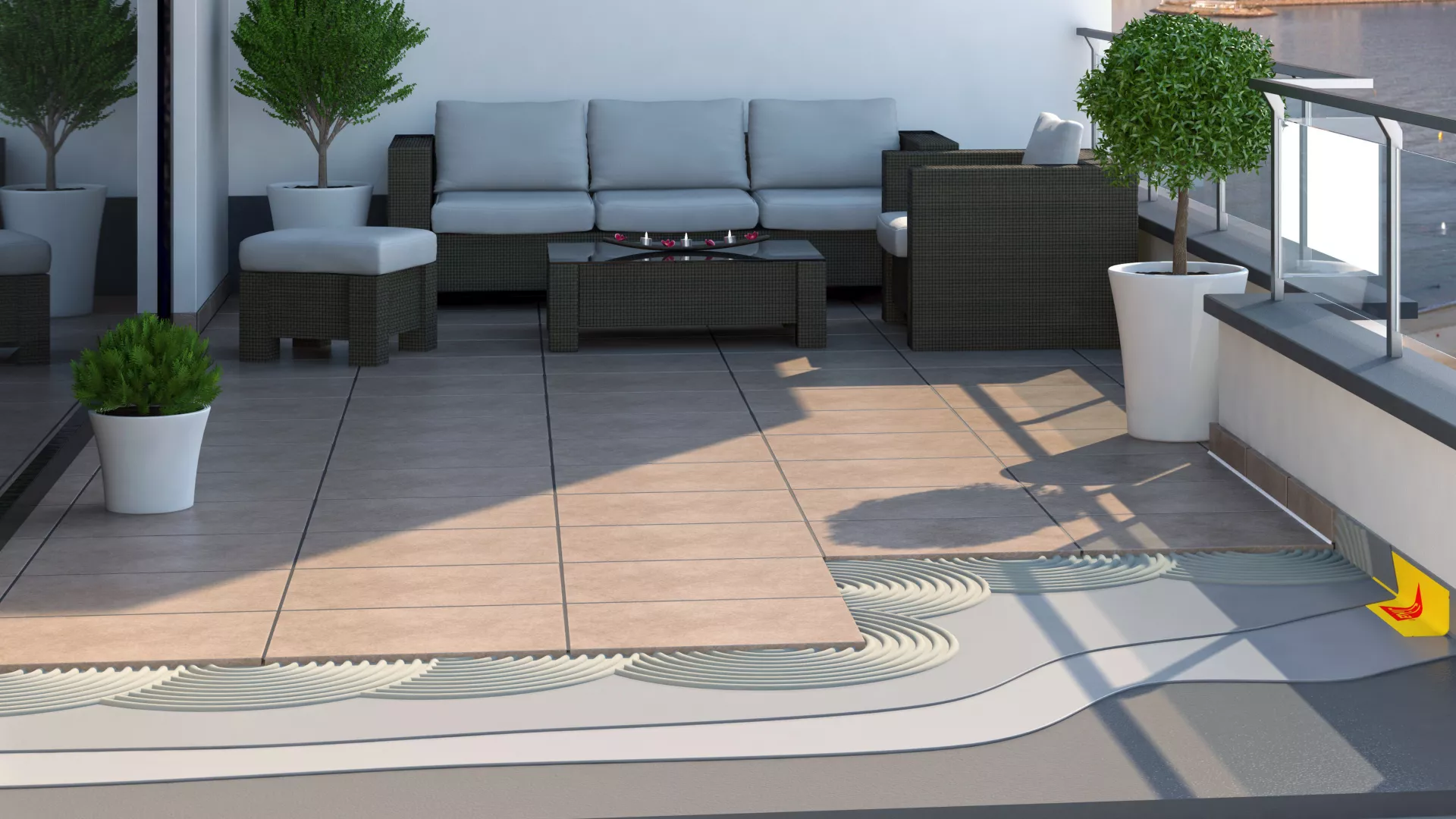
Balcony waterproofing systems protect structural concrete from the water intrusion that initiates deterioration. When coatings wear, sealants fail, or drains clog, water reaches the concrete substrate and begins attacking embedded reinforcing steel. The resulting corrosion expands, cracking and spalling concrete in a progressive cycle that accelerates over time. Early intervention interrupts this cycle; delayed response allows damage to compound.
Florida's aggressive climate accelerates balcony deterioration. Intense UV radiation degrades coating compounds. Thermal cycling from full sun exposure stresses adhesion. Heavy rainfall tests drainage systems and exploits any waterproofing weakness. Salt air corrodes metal components. Hurricane-force winds drive water into openings that normally shed rain. These combined stresses demand proactive attention to maintain protection.
Financial considerations favor preventive maintenance over reactive repairs. Routine maintenance costs a fraction of restoration work. A $500 coating touch-up today prevents the $5,000 concrete repair that deferred maintenance would eventually require. Building-wide maintenance programs prove even more economical than unit-by-unit responses to individual problems.
SB 4-D Compliance Through Maintenance
Florida's SB 4-D legislation has elevated the importance of balcony maintenance for condominium associations. Milestone inspections required for buildings three stories or higher evaluate balcony conditions as part of structural assessments. Inspectors specifically look for evidence of water intrusion—efflorescence, staining, corrosion, and concrete deterioration—that indicates waterproofing system failure.
Well-maintained balconies are far more likely to pass milestone inspections without requiring remediation. Regular maintenance keeps waterproofing systems performing within their design parameters, preventing the deterioration that triggers inspection findings. When minor issues are addressed promptly, they don't progress to the significant deterioration that requires expensive repairs.
Documented maintenance history demonstrates proactive association management to inspecting engineers. Maintenance records show that the association has been attentive to balcony conditions between inspections. This documentation supports the association's position that structural elements are being properly maintained—a key consideration in milestone inspection evaluations.
Routine Inspection Procedures
Effective balcony maintenance begins with regular inspection to identify developing problems. Visual inspection should occur monthly during routine property management activities. More detailed quarterly inspections evaluate all system components systematically. Annual professional inspections provide expert assessment and documentation for association records.
During inspections, look for coating condition (wear, cracking, peeling, bubbling), drainage function (proper flow, clear drains, no ponding), structural indicators (cracks, spalling, staining, deflection), railing condition (loose connections, corrosion, damage), and transition details (door thresholds, perimeter conditions, penetrations). Photograph conditions for comparison over time—this documentation proves valuable for maintenance planning and SB 4-D compliance.
Post-storm inspections should occur after significant weather events. Hurricane-force winds can damage railings, drive water into normally protected areas, and dislodge debris that blocks drainage. Identifying storm damage promptly allows repairs before secondary water intrusion occurs. Document any damage with photographs and report to management immediately.
Cleaning Best Practices
Regular cleaning maintains appearance while preventing organic growth that can accelerate coating deterioration. Quarterly cleaning removes accumulated dirt, debris, and organic material before it becomes established. More frequent cleaning may be necessary for balconies with heavy use, nearby landscaping, or bird activity.
Cleaning methods must be appropriate for the surface material. Deck coatings generally tolerate mild detergent with soft brushes—avoid harsh chemicals that degrade coating integrity and avoid pressure washing above 1500 PSI that can damage coating adhesion. Porcelain tiles accept most household cleaners but acidic products can damage grout. Natural stone requires pH-neutral cleaners to avoid etching.
Drain maintenance is critical for proper balcony function. Clear debris from drain grates during each cleaning. Check that water flows freely through scuppers and downspout connections. Remove leaves, pine needles, and other material that accumulates around drains. Clogged drains cause water to pond on balcony surfaces, accelerating coating wear and potentially flooding through door thresholds during heavy rain.
Addressing Common Issues
Minor coating damage should be addressed promptly before water penetrates to the concrete substrate. Small areas of coating wear can often be touched up without complete recoating. Hairline cracks in coatings may indicate substrate movement requiring investigation. Peeling or bubbling coatings typically indicate adhesion failure requiring more extensive repair.
Sealant maintenance prevents water intrusion at joints and transitions. Perimeter sealants around balcony edges, door thresholds, and railing posts degrade over time and eventually fail. Annual inspection identifies sealant deterioration before failures allow water entry. Replacement of deteriorated sealant costs far less than repairing water damage that results from failed seals.
Railing maintenance ensures both safety and appearance. Check posts for tightness—loose posts indicate potential anchor problems requiring professional evaluation. Inspect for corrosion on aluminum components, especially at joints and fasteners. Glass panels need inspection for chips or cracks that could lead to failure. Cable railings require periodic tension adjustment to maintain code-compliant spacing.
Developing a Maintenance Program
Comprehensive maintenance programs systematize the activities needed to keep balconies performing properly. Rather than responding to problems as they occur, programmatic maintenance addresses all elements on appropriate schedules. This approach ensures nothing is overlooked while distributing costs predictably over time.
Program components typically include scheduled inspections (monthly visual, quarterly detailed, annual professional), routine cleaning (quarterly minimum), preventive maintenance (sealant replacement every 7-10 years, coating maintenance every 5-10 years), and documentation (inspection reports, maintenance records, condition photos). The specific schedule depends on building age, climate exposure, and current system condition.
Budget planning for maintenance should account for routine activities, periodic major maintenance (recoating), and eventual system replacement. SIRS requirements under SB 4-D mandate adequate reserves for structural maintenance including balconies. A well-planned maintenance program helps associations satisfy these requirements while protecting building value.
Balcony Maintenance Costs in Tampa Bay
| Maintenance Service | Cost Range | Unit |
|---|---|---|
| Annual Cleaning Service | $50 - $150 | Per unit |
| Professional Building Inspection | $2,500 - $5,000 | Per building |
| Minor Coating Touch-Up | $200 - $500 | Per unit |
| Sealant Replacement | $300 - $800 | Per unit |
| Drain Cleaning/Maintenance | $100 - $300 | Per unit |
| Railing Adjustment/Tightening | $100 - $300 | Per unit |
| Periodic Recoating (5-10 years) | $400 - $1,500 | Per unit |
| Comprehensive Maintenance Program | $200 - $500 | Per unit/year |
*Costs vary based on building size, current condition, and service scope. Contact us for a customized maintenance proposal.
Seasonal Maintenance Guide for Florida Balconies
Florida's distinct seasonal patterns create specific maintenance requirements for high-rise balconies. Hurricane season, winter dry periods, and summer heat cycles each present unique challenges that require targeted maintenance attention to prevent deterioration and ensure resident safety.
Spring Preparation (March-May)
- • Document any coating damage from winter temperature cycling
- • Check for new cracks in concrete surfaces
- • Inspect drainage systems for debris accumulation
- • Evaluate railing connections for loosening
- • Test door and window operation after seasonal movement
- • Secure or remove loose objects that could become projectiles
- • Verify drainage system capacity for heavy rainfall
- • Document pre-season condition with photographs
- • Review emergency procedures with residents
- • Schedule any needed repairs before storm season
Summer Maintenance (June-August)
- • Monitor coating performance under intense UV exposure
- • Increase cleaning frequency for dust and salt accumulation
- • Inspect for thermal expansion-related movement
- • Ensure adequate ventilation for enclosed balcony spaces
- • Check for heat-related sealant deterioration
- • Post-storm inspections for wind and water damage
- • Immediate clearing of debris from drainage systems
- • Document storm-related damage for insurance claims
- • Emergency repairs to prevent further deterioration
- • Assessment of structural integrity after severe weather
Fall Assessment (September-November)
- • Comprehensive assessment of storm season damage
- • Prioritize repairs before winter weather patterns
- • Update reserve studies with identified repair needs
- • Plan major maintenance projects for dry season
- • Document annual condition for SB4-D compliance
- • Complete repairs while weather permits
- • Apply protective treatments before temperature drops
- • Adjust maintenance schedules for seasonal labor availability
- • Stock emergency repair materials for immediate needs
- • Plan resident communications for upcoming work
Winter Monitoring (December-February)
- • Monitor for thermal stress cracking in sealants
- • Watch for coating brittleness in extreme cold
- • Document any unusual structural movement
- • Maintain heating in enclosed balcony spaces
- • Adjust cleaning schedules for reduced usage
- • Develop maintenance budgets for upcoming year
- • Schedule major renovation projects for spring
- • Review contractor performance and agreements
- • Update emergency response procedures
- • Plan SB4-D inspection schedules if required
Professional Maintenance Program Development
Comprehensive balcony maintenance programs provide systematic, proactive care that extends service life, ensures safety compliance, and reduces long-term costs. Professional programs combine regular inspection schedules, preventive maintenance protocols, and documentation systems that support SB4-D compliance and reserve fund management.
Inspection Protocols
- • Visual assessment of coating condition and wear patterns
- • Drainage system function and debris clearing
- • Railing stability testing and hardware inspection
- • Documentation of any changes or new damage
- • Safety hazard identification and immediate reporting
- • Detailed condition assessment by qualified personnel
- • Photographic documentation for comparison tracking
- • Performance testing of waterproofing systems
- • Maintenance needs prioritization and scheduling
- • Cost estimation for identified repair requirements
- • Structural integrity assessment by licensed engineer
- • Building code compliance verification
- • SB4-D milestone inspection preparation
- • Reserve study updates and lifecycle planning
- • Performance warranty compliance documentation
Preventive Care Schedules
- • Regular cleaning with appropriate materials and techniques
- • Sealant inspection and renewal on schedule
- • Drainage system maintenance and flow testing
- • Hardware lubrication and adjustment
- • Surface protection application and renewal
- • Crack repair before water intrusion occurs
- • Coating touch-ups in high-wear areas
- • Localized waterproofing renewal as needed
- • Safety feature upgrades to meet current codes
- • Structural reinforcement before deterioration advances
- • Component replacement planning and budgeting
- • System upgrade evaluation and implementation
- • Performance monitoring and optimization
- • Technology integration for enhanced monitoring
- • Long-term value preservation strategies
Documentation and Compliance Management
Proper documentation of balcony maintenance activities supports SB4-D compliance, warranty preservation, insurance coverage, and effective reserve fund management. Digital documentation systems provide accessible, organized records that demonstrate proactive maintenance and facilitate professional inspections.
Required Documentation
- Inspection Records: Date, inspector qualifications, findings, and recommendations for all scheduled and emergency inspections
- Maintenance Logs: Work performed, materials used, dates, and contractor information for all maintenance activities
- Photographic Documentation: Timestamped images showing conditions before and after maintenance work
- Warranty Information: Material and workmanship warranties with compliance documentation
- Cost Tracking: Detailed financial records supporting reserve study updates and budget planning
Compliance Benefits
- SB4-D Preparation: Maintenance records demonstrate proactive care and may reduce inspection scope
- Insurance Support: Documentation supports claims and may qualify for premium reductions
- Warranty Protection: Proper maintenance documentation preserves manufacturer warranty coverage
- Liability Management: Records demonstrate reasonable care and may limit association liability
- Property Values: Well-documented maintenance supports property valuations and marketability
Emergency Maintenance Response Procedures
Emergency situations require immediate response to prevent injury and minimize property damage. Established procedures ensure rapid assessment, appropriate interim measures, and coordination with professional services when balcony safety is compromised.
Immediate Safety
- • Evacuate affected balcony and secure access
- • Assess injury risk and call emergency services if needed
- • Install temporary barriers to prevent accidental entry
- • Document conditions with photographs from safe locations
- • Notify building management and affected residents
- • Contact emergency maintenance contractor
Assessment Phase
- • Professional structural evaluation within 24 hours
- • Determine scope of safety hazard and affected areas
- • Develop interim protection measures
- • Estimate repair timeline and resource requirements
- • Notify insurance carrier and legal counsel
- • Communicate with residents about safety measures
Repair Coordination
- • Obtain permits for emergency structural work
- • Coordinate with qualified emergency repair contractors
- • Implement temporary stabilization measures
- • Plan permanent repairs addressing root causes
- • Monitor contractor work for quality and safety
- • Document all emergency response activities
Technology-Enhanced Maintenance Programs
Modern technology enhances maintenance program effectiveness through automated monitoring, predictive analytics, and integrated documentation systems. These tools provide early warning of developing problems and optimize maintenance scheduling for cost-effective care.
Monitoring Technologies
- IoT Sensors: Moisture, movement, and structural stress monitoring with real-time alerts
- Drone Inspections: High-resolution imaging for hard-to-access areas and condition documentation
- Weather Integration: Environmental data correlation with maintenance needs and timing
- Mobile Applications: Field data collection and real-time reporting capabilities
Data Management Systems
- Cloud-Based Records: Accessible documentation with automated backup and version control
- Predictive Analytics: Trend analysis and maintenance scheduling optimization
- Integration Platforms: Coordination between maintenance, financial, and compliance systems
- Reporting Automation: Scheduled reports for management, boards, and regulatory compliance
Why Choose Florida Construction Specialists
Frequently Asked Questions
Related Articles
Balcony Restoration & Waterproofing for Longevity
Protect your investment with restoration systems engineered for 20+ years of service.
Read MoreFlorida SB4-D Compliance Guide
Essential requirements for condo milestone inspections and structural integrity reserves.
Read MoreCondo Balcony Inspection Requirements
Understanding inspection requirements under Florida's updated condo safety legislation.
Read MoreChoosing the Right Waterproofing Solution
Compare waterproofing systems for optimal performance in Florida's climate.
Read MoreStart a Balcony Maintenance Program Today
Contact Florida Construction Specialists to develop a comprehensive maintenance program that protects your building's balconies.