Flood Zone VE vs AE: What Tampa Bay Homeowners Need to Know
Understanding the construction requirements, costs, and insurance implications of FEMA flood zones for waterfront property in Tampa Bay.
VE Zone vs AE Zone: Key Differences
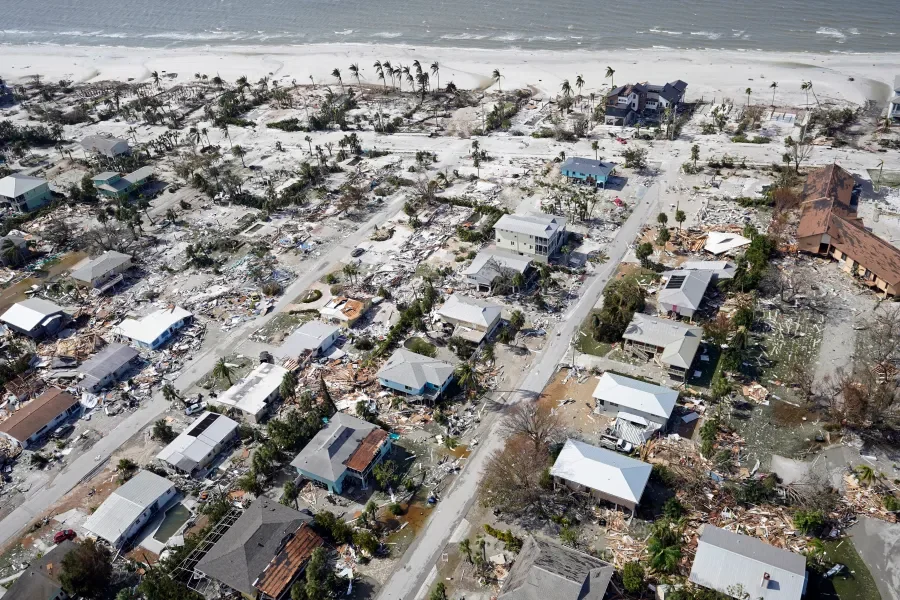
Both zones require flood-resistant construction, but VE zones have significantly more stringent (and costly) requirements due to wave action.
| Feature | VE Zone (Coastal High Hazard) | AE Zone (Special Flood Hazard) |
|---|---|---|
| Location | Coastal high-hazard areas with wave action | Inland areas subject to flooding without wave action |
| Wave Height | Expected 3+ foot waves during base flood | No significant wave action expected |
| Foundation Type | Open foundation required (piles, piers, columns) | Solid foundation allowed with flood vents |
| Breakaway Walls | Required below BFE; must fail under flood loads | Not required; standard flood-resistant construction |
| Elevation Requirement | Bottom of lowest horizontal member at/above BFE | Top of lowest floor at/above BFE |
| Insurance Cost | Highest NFIP premiums due to wave risk | Lower than VE but higher than X zones |
| Construction Cost Premium | 20-40% more than non-flood zone | 10-20% more than non-flood zone |
VE Zone Construction Requirements
VE zones require the most robust flood-resistant construction. These requirements are non-negotiable for Tampa Bay barrier islands and bayfront properties.
Foundation Design
- Deep pile or column foundation extending below scour depth
- Open foundation to allow free flow of water and waves
- Engineered design stamped by Florida PE
- Pile embedment based on soil conditions and wave forces
- Cross-bracing must allow debris passage
Elevation Standards
- Bottom of lowest horizontal structural member at or above BFE
- This is MORE stringent than AE zones (floor vs. structural member)
- Freeboard (1-3 feet above BFE) recommended for insurance savings
- Elevation certificate required by surveyor
- Consider future flood map updates
Breakaway Walls
- Any enclosure below BFE must be breakaway construction
- Maximum design load of 20 psf
- Must fail before damaging elevated structure
- No HVAC, electrical panels, or utilities below BFE
- Flood vents required in breakaway walls
Utilities & Mechanical
- All HVAC, electrical, plumbing above BFE
- Elevated pool equipment and generators
- Marine-grade electrical fixtures if below BFE
- Corrosion-resistant materials throughout
- Backup sump pumps with battery power
AE Zone Construction Requirements
AE zones offer more flexibility in foundation types but still require careful attention to elevation and flood-resistant materials.
Foundation Options
- Solid perimeter foundation allowed (stem wall, slab)
- Flood vents required in foundation walls
- Crawl spaces permitted with proper venting
- Slab-on-grade if top of floor meets BFE
- Fill may be used to elevate building pad
Elevation Standards
- Top of lowest floor at or above BFE
- Includes basement floors if applicable
- Attached garages may be below BFE with flood vents
- Freeboard still recommended for insurance
- Elevation certificate required
Flood Venting
- Minimum 1 square inch per square foot of enclosed area
- Bottom of openings within 12 inches of grade
- Engineered flood vents preferred for insurance
- Must allow automatic entry/exit of floodwaters
- Screen openings no finer than 1/2 inch mesh
Material Requirements
- Flood-resistant materials below BFE
- No paper-faced drywall below BFE
- Pressure-treated or composite lumber
- Water-resistant adhesives and fasteners
- Marine-grade finishes recommended
Flood Zones in Tampa Bay Neighborhoods
General flood zone information for popular Tampa Bay waterfront areas. Always verify current FEMA maps for your specific property.
Davis Islands
Some VE areas on bayfront; historic district adds complexity
Bayshore Boulevard
Seawall provides some protection; still requires elevation
South Tampa (Beach Park)
Direct bay exposure increases requirements
Apollo Beach
Canal homes typically AE; open water VE
Ruskin
Varies significantly by proximity to Little Manatee River
Clearwater Beach
Barrier island; highest construction costs
St. Pete Beach
Full barrier island VE designation
Zone designations change. Verify with FEMA and your local building department before planning construction.
Construction Cost Comparison
Understanding the cost implications of flood zone construction helps with project budgeting and evaluating property investments.
| Cost Factor | VE Zone Impact | AE Zone Impact |
|---|---|---|
| Foundation Type | Deep pile foundation: $80-150/SF additional | Elevated slab/stem wall: $30-60/SF additional |
| Elevation Height | Each foot above grade: $15-25/SF of living area | Each foot above grade: $10-18/SF of living area |
| Breakaway Construction | Garage/storage below BFE: $40-80/SF | Not required; standard construction |
| Utility Relocation | All systems elevated: $25,000-60,000 | Selective elevation: $10,000-25,000 |
| Insurance Savings | Each foot freeboard: 15-25% premium reduction | Each foot freeboard: 10-20% premium reduction |
Frequently Asked Questions
Planning a Waterfront Home in Tampa Bay?
FCS specializes in flood zone construction for Tampa Bay's most challenging waterfront sites. We understand VE and AE requirements and can help you navigate the complexities of coastal construction.
Related Articles
Understanding Tampa Insurance Restoration Claims
Navigate the insurance claim process for property damage restoration in Tampa Bay.
Read MoreTampa Insurance Restoration for Hurricane Damage
Expert restoration services for properties damaged by Florida hurricanes.
Read MoreInsurance Arbitration and Appraisal
When and how to use appraisal and arbitration to resolve insurance disputes.
Read MoreClaims Negotiation for Property Damage
Maximize your insurance settlement with professional claims support.
Read More