
Impact of Climate Change on Tampa Insurance Restoration
Climate change is reshaping Tampa Bay's insurance landscape with rising premiums, increased storm intensity, and new coverage challenges. Learn how to protect your commercial property in an evolving risk environment.
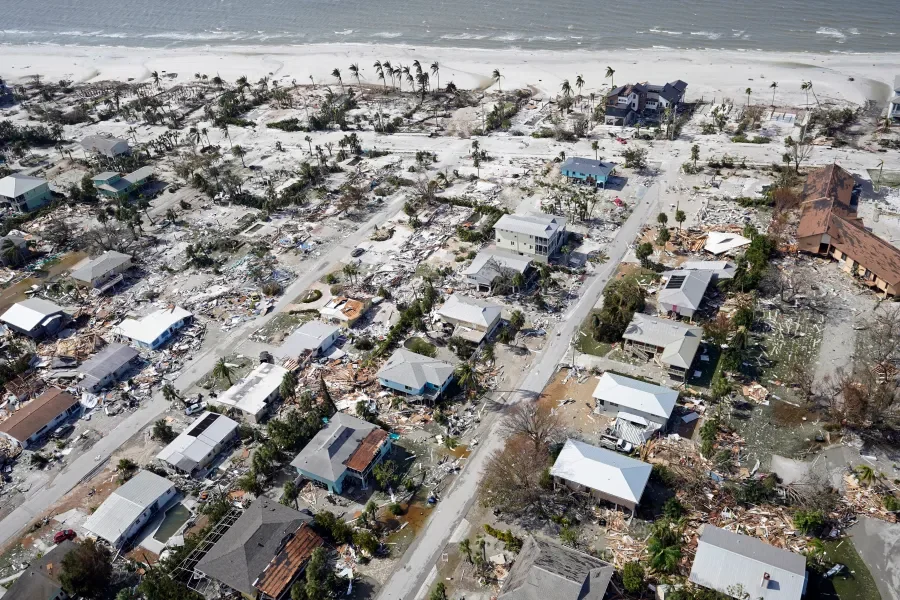
Tampa Bay sits at the intersection of climate change and insurance industry transformation. Rising sea levels, intensifying hurricanes, and increasing flood risks are driving dramatic changes in commercial property insurance—from soaring premiums to carrier withdrawals to new coverage requirements. For commercial property owners, understanding these changes and adapting strategies accordingly is essential for protecting both physical assets and financial interests.
Florida Insurance Market in Crisis
Florida's property insurance market has seen unprecedented upheaval. Over a dozen insurers have left the state since 2020, and remaining carriers have dramatically increased rates. The state's insurer of last resort, Citizens Property Insurance, has grown to become Florida's largest insurer—a sign of market distress. Commercial property owners should review coverage annually and explore all available options.
Climate Risks Facing Tampa Bay Commercial Properties
Tampa Bay's geography makes it uniquely vulnerable to climate-driven risks. The shallow, funnel-shaped bay amplifies storm surge, low-lying development puts significant commercial assets at flood risk, and the region's growth has outpaced infrastructure upgrades. Climate change is intensifying all these existing vulnerabilities.
Intensified Hurricanes
- Higher peak wind speeds
- Increased rainfall intensity
- Rapid intensification events
- Extended hurricane season
Sea Level Rise
- 1-2 feet rise projected by 2060
- Higher storm surge heights
- Expanded flood zones
- Saltwater intrusion issues
Increased Flooding
- More intense rainfall events
- Overwhelmed drainage systems
- Sunny day flooding
- Combined flood/storm events
Extreme Heat
- More 90°F+ days annually
- HVAC system stress
- Building material degradation
- Increased energy costs
Insurance Market Impacts
Climate change has fundamentally altered Florida's insurance market. Insurers use sophisticated climate modeling that projects increasing losses, and they're pricing policies—or exiting markets—accordingly. Tampa Bay commercial properties face some of the highest rate increases in the nation.
| Insurance Trend | Impact | Commercial Owner Response |
|---|---|---|
| Premium increases | 30-50%+ since 2020 | Wind mitigation credits, higher deductibles |
| Carrier withdrawals | 12+ insurers left Florida | Explore surplus lines, E&S carriers |
| Coverage restrictions | Flood exclusions, wind limits | Separate flood policies, layered coverage |
| Deductible increases | 2-5% named storm deductibles | Self-insurance reserves, risk retention |
| Underwriting tightening | Stricter inspections, age limits | Proactive building upgrades |
Building Resilience: Cost-Benefit Analysis
| Resilience Upgrade | Typical Cost | Insurance Benefit |
|---|---|---|
| Impact-resistant windows | $15,000 - $75,000 | 10-15% premium reduction |
| Hurricane-rated roof | $50,000 - $200,000 | 15-25% premium reduction |
| Secondary water resistance | $5,000 - $20,000 | 5-8% premium reduction |
| Elevated HVAC/electrical | $25,000 - $100,000 | Reduced flood loss potential |
| Backup generator | $20,000 - $150,000 | Reduced BI exposure |
Strategies for Climate-Resilient Commercial Properties
Conduct Climate Risk Assessment
Evaluate your property's specific vulnerabilities to sea level rise, storm surge, flooding, and wind damage. Use FEMA flood maps, NOAA storm surge models, and local vulnerability assessments to understand your risk profile.
Invest in Certified Mitigation
Florida law requires insurers to provide premium credits for wind mitigation features. Obtain a wind mitigation inspection (OIR Form B1-1802) documenting your building's protective features. Certified upgrades provide both protection and premium savings.
Review Insurance Annually
Florida's insurance market is changing rapidly. Work with a broker specializing in commercial property to explore all available markets, including surplus lines and risk retention groups. Annual review ensures you're getting the best available coverage and pricing.
Develop Business Continuity Plans
Climate events will disrupt operations. Detailed continuity plans reduce business interruption losses, which insurers value. Plans should cover evacuation, remote operations, supply chain alternatives, and recovery procedures.
Frequently Asked Questions
How is climate change affecting insurance premiums in Tampa Bay?
Tampa Bay commercial property insurance premiums have increased dramatically due to climate-related risks. Since 2020, Florida commercial property insurance rates have risen 30-50% on average, with coastal properties seeing even higher increases. Multiple insurers have left the Florida market, reducing competition and driving prices higher. The increased frequency and intensity of hurricanes, rising sea levels, and flood risks all contribute to insurer concerns about Tampa Bay properties. Many businesses now face premiums exceeding $100 per $1,000 of coverage.
What climate-related risks are most significant for Tampa Bay commercial properties?
Tampa Bay faces multiple climate-driven risks: intensified hurricanes with higher wind speeds and more rainfall, increased flooding from both storm surge and heavy precipitation events, sea level rise affecting coastal and low-lying properties, longer and more severe storm seasons, and heat-related building system stress. The Tampa Bay region is considered one of the most hurricane-vulnerable metro areas in the U.S., and climate change is amplifying existing vulnerabilities.
How does sea level rise affect insurance claims and coverage in Tampa?
Sea level rise increases both flood frequency and flood insurance requirements. Properties previously outside flood zones may now require flood insurance, and FEMA flood maps are being updated to reflect new risk levels. Rising seas also increase storm surge heights during hurricanes—modeling suggests a Category 3 hurricane could produce 15+ feet of storm surge in parts of Tampa Bay. Insurance policies increasingly include flood exclusions or require separate flood coverage, and premiums for flood-prone areas have increased substantially under NFIP Risk Rating 2.0.
What building upgrades can help with both climate resilience and insurance costs?
Strategic building upgrades can reduce both damage risk and insurance premiums: impact-resistant windows and doors (can reduce premiums 10-15%), enhanced roof systems meeting or exceeding FBC wind requirements, elevated mechanical systems for flood protection, improved drainage and stormwater management, backup power systems, and hurricane shutters or screens. Florida law (Section 627.0629) requires insurers to provide premium discounts for certified wind mitigation features.
How should Tampa Bay businesses prepare for climate-driven insurance changes?
Businesses should: conduct risk assessments identifying climate vulnerabilities, invest in resilience upgrades that qualify for insurance discounts, maintain comprehensive documentation of building improvements and their value, work with insurance brokers specializing in Florida commercial property, consider higher deductibles to manage premium costs, explore parametric insurance products for specific risks, and develop business continuity plans for various climate scenarios. Proactive preparation is increasingly essential as the insurance market hardens.
Build Climate Resilience Into Your Property
Florida Construction Specialists helps Tampa Bay commercial property owners prepare for climate challenges with resilience upgrades, damage restoration, and insurance claim support. Contact us for a climate risk assessment.
Related Articles
Tampa Historic Restoration Permits and Regulations
Navigate Tampa's historic restoration permit process including COA requirements and SHPO review.
Read MorePreserving Tampa's Cultural Heritage
How thoughtful restoration projects maintain Tampa Bay's architectural legacy.
Read MoreArchitectural Styles in Tampa's Historic Restoration
Understanding the diverse architectural heritage of Tampa's historic districts.
Read MoreHistoric Tax Credits for Commercial Buildings
Maximize ROI with federal and state historic preservation tax incentives.
Read MorePrepare Your Property for Climate Challenges
Contact Florida Construction Specialists for climate-resilient construction and restoration throughout Tampa Bay.