What Is a Disaster Recovery Construction Company? Tampa Bay Guide
A disaster recovery construction company rebuilds storm-damaged structures and manages the insurance claim process. Here's what to expect in Tampa Bay.
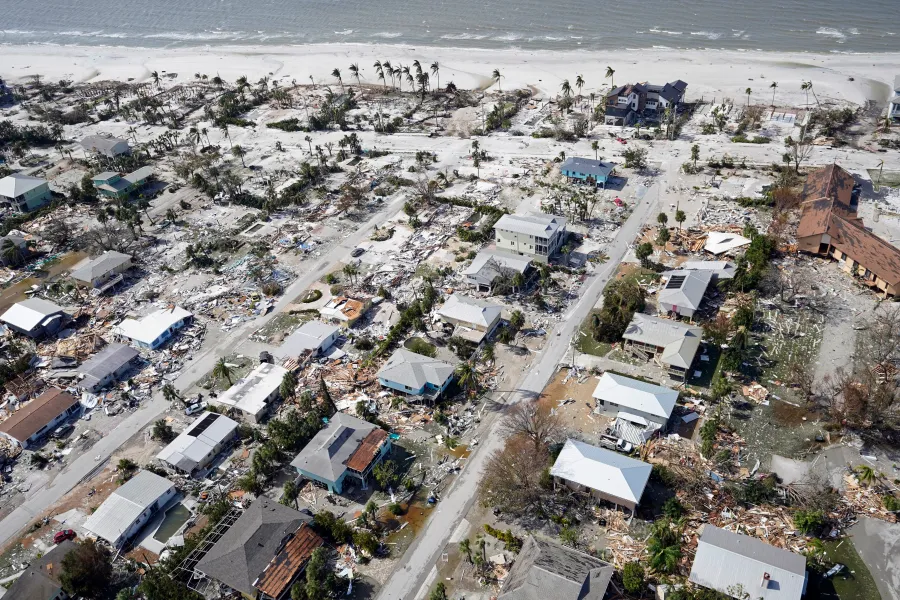
A disaster recovery construction company rebuilds structures damaged by hurricanes, floods, fire, or other sudden events — and manages the practical realities that come with it: emergency mitigation to stop secondary damage, structural and exterior repair, and coordination with the insurance claim process running in parallel. It's a different discipline than routine renovation because the timeline is compressed and the stakes for getting the sequence right are higher.
What the Work Actually Covers
Disaster recovery starts before full reconstruction — with emergency mitigation like tarping a damaged roof, extracting standing water, and securing openings to prevent mold growth and further structural damage while the claim process moves forward. From there it moves into structural repair, exterior envelope replacement (roofing, stucco, windows, doors), and mechanical system restoration, all coordinated so the property owner isn't managing five separate trades and an insurance adjuster on their own.

The Insurance Clock Is Running Too
Under Florida Statute 627.70132, homeowners and property owners have one year from the date of loss to report a new or reopened hurricane damage claim — a deadline the legislature cut from two years to one in December 2022. For claims tied to hurricanes specifically, the date of loss is the date the storm made landfall, as verified by NOAA. Supplemental claims — additional damage discovered after the initial claim — carry their own 18-month window.
A disaster recovery contractor who documents damage early and thoroughly gives the claim a stronger foundation before that clock runs out. Waiting to find a contractor until the claim deadline is close is one of the most common ways property owners lose coverage they were otherwise entitled to.
What Happens in the First Days After a Storm
The gap between a storm passing and a contractor starting mitigation work matters more than most property owners expect. Standing water and a compromised roof invite mold growth within 24 to 48 hours in Florida's humidity, and a property with an open envelope is exposed to a second round of damage if another system moves through before repairs are complete. A disaster recovery contractor's first job is emergency mitigation — tarping, board-up, water extraction, and dehumidification — done before the full scope of structural repair is even finalized.
That mitigation work also matters for the insurance claim itself. Most policies require the property owner to take reasonable steps to prevent further damage after a loss, and documented mitigation performed promptly supports the claim rather than giving an adjuster grounds to dispute it later.
Why the Contractor You Pick Matters More After a Storm
Major hurricanes reliably draw contractors from outside the state who show up chasing post-storm demand and disappear before punchlist — sometimes after collecting payment upfront. Before signing anything, verify the contractor's license through Florida's DBPR public lookup, confirm they hold a certified contractor license (CGC or CBC prefix, valid statewide), and ask specifically how long they've worked in your market — not just in Florida generally.
Be especially cautious of any contractor who pushes an assignment of benefits (AOB) as a condition of the work. Florida reformed AOB practices in 2019 specifically because the arrangement was being abused to inflate claims and cut property owners out of decisions about their own repair. A legitimate disaster recovery contractor can support your claim without asking you to sign away control of it.
Tampa Bay-Specific Considerations
Florida Construction Specialists has provided disaster recovery construction in the Tampa Bay region since 1982, holding license CBC1262722 as an always-prime contractor — meaning the firm self-performs the work rather than brokering it to subcontractors after signing. Tampa Bay sees two to three tropical systems per season between June and November, and Hurricane Ian in 2022 and Hurricane Idalia in 2023 both drove significant disaster recovery demand across the region.
Florida's insurance market has been shaped by that storm exposure and by 2022-2024 legislative reforms, with Citizens Property Insurance serving as the insurer of last resort for many Tampa Bay property owners. A disaster recovery contractor who understands this insurance landscape — not just the construction side — is better positioned to help a claim move smoothly from damage assessment to completed rebuild.
Dealing with storm damage in Tampa Bay? Call (813) 420-7561 or contact us online to talk through next steps with our disaster recovery team. You can also review our insurance restoration services.
Frequently Asked Questions
What does a disaster recovery construction company actually do?
It handles the full rebuild after a hurricane, flood, fire, or other structural event — structural repair, exterior envelope replacement, mechanical system restoration, and coordination with the insurance claim process. Unlike a general contractor doing routine renovation, disaster recovery work often starts under emergency conditions and has to move fast to prevent secondary damage like mold.
How long do I have to file a hurricane damage insurance claim in Florida?
Florida Statute 627.70132 sets a one-year deadline from the date of loss to report a new or reopened hurricane damage claim to your insurer, a window reduced from two years by legislation in December 2022. Supplemental claims have a separate 18-month deadline. Missing these windows can bar the claim entirely, so getting a contractor's damage assessment early matters.
Should I sign with the first disaster recovery contractor who shows up after a storm?
No. Major storms draw contractors with no local track record who chase post-storm work and are unreachable once paid. Verify the contractor's Florida license through the DBPR's public lookup, confirm they hold a certified contractor license (CGC or CBC prefix), and ask how long they've operated in your specific market before signing anything.
Does a disaster recovery contractor work with my insurance adjuster?
A capable disaster recovery contractor documents damage in a way that supports your insurance claim and can walk the property with your adjuster, but the contractor works for you, not the insurer. Be cautious of any contractor who asks you to sign over your insurance claim (an assignment of benefits) as a condition of doing the work — Florida reformed AOB practices in 2019 specifically because of abuses in this arrangement.
Ready to start your Tampa Bay project?
Florida Construction Specialists is Tampa Bay's premier general contractor for large-scale commercial, residential, and restoration projects. Call us for a no-pressure consultation.