
How to Repair Large Stucco Holes in Tampa
Learn how to repair large stucco holes in Tampa the right way — lath replacement, three-coat application, cure times, and color matching for Florida's humid climate.
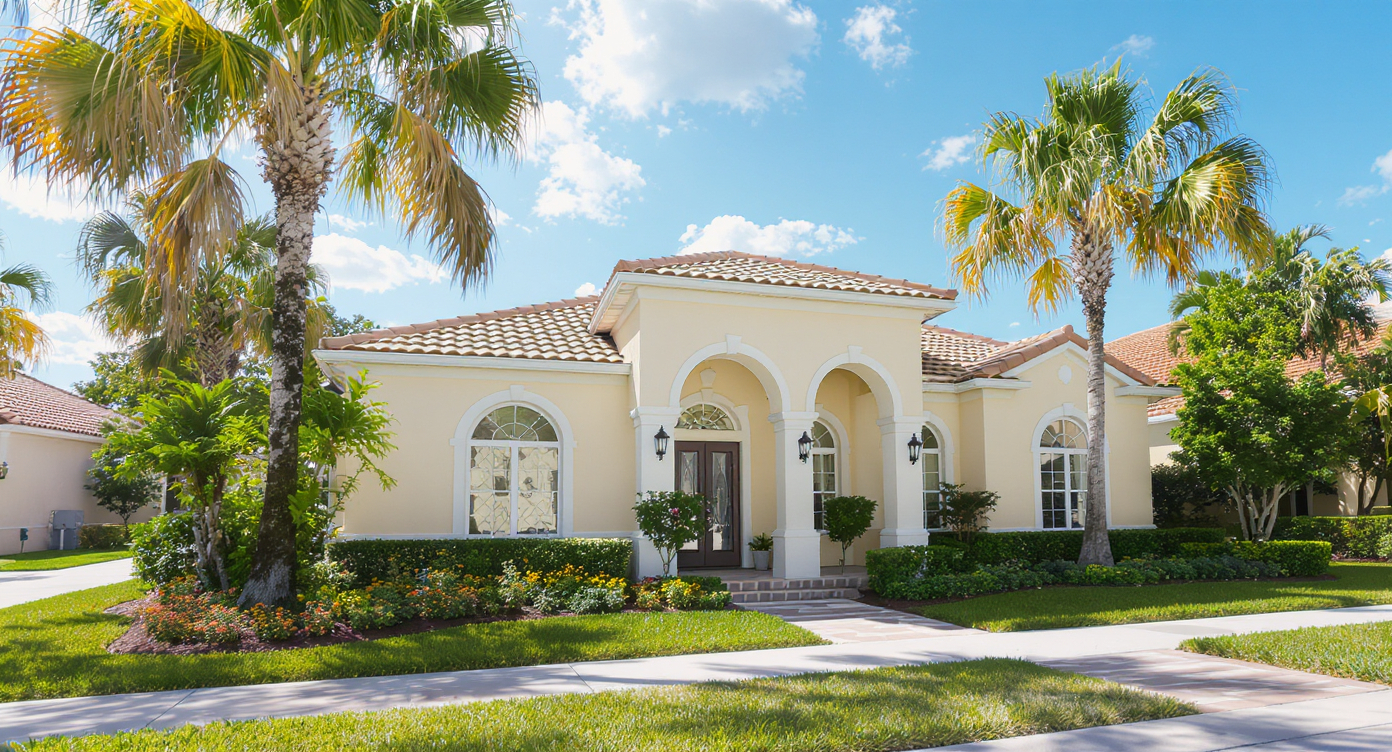
Repairing a large stucco hole in Tampa requires more than filling the gap — it means rebuilding the three-layer system from the substrate out, sealing the underlying structure against Florida's relentless humidity, and matching a texture and color that has years of tropical weathering baked into it. Done correctly, the repair disappears into the wall. Done incorrectly, the hole comes back after the first hard rain off Tampa Bay.
Assess the Damage Before Touching the Surface
The visible hole is rarely the full story. Before mixing any material, probe the surrounding area by pressing firmly against the wall and tapping with a rubber mallet. Hollow sounds or flex beyond the hole's edge mean the stucco has delaminated from the lath beneath — a sign that moisture has been working behind the surface for some time.
Check for rust stains bleeding through the existing finish. Metal lath corrodes when water sits against it, and corroded lath cannot hold a new coat. Look at the substrate itself once you open the hole: if the sheathing or framing behind the weather-resistant barrier shows staining, soft spots, or visible mold, you are dealing with a water infiltration problem that must be resolved before any patching begins.
Older homes need extra care here. In Hyde Park, Ybor City, and Seminole Heights, original stucco was often applied over wood framing with period-era felt paper as the barrier. That felt degrades over decades, so a hole in an aging wall can mean the moisture protection behind it was already gone. You may be opening up a drainage problem the intact finish was hiding.
The repair scope falls into two categories: a surface patch (lath is sound, moisture source is sealed) or a full section rebuild (lath replacement required, substrate dried and treated). Misreading which category you are in is how Tampa homeowners end up re-patching the same wall every two years.
When Lath Replacement Is Required
If the lath is corroded, rotted, or has pulled away from the framing, it must come out. Attempting to bond new stucco to compromised lath produces a repair that will crack and fall away at the next weather event.
Cut back the damaged stucco to solid, well-bonded edges — typically at least 2 inches past the visible damage in every direction. Remove the deteriorated lath. Inspect the weather-resistant barrier (WRB) behind it; any tears or voids must be patched with compatible WRB material and properly lapped before new lath goes in.
New metal lath must be installed per ASTM C1063 and Florida Building Code Section R703 requirements, using corrosion-resistant fasteners spaced no more than 7 inches on center along framing. Use galvanized or stainless steel — bare steel lath in Tampa's 75% average summer humidity will begin to rust before the first coat cures.
The Three-Coat Application Process
Florida Building Code requires a minimum three-coat system over lath: scratch coat, brown coat, and finish coat. Each coat has a specific role, and skipping or compressing them is how large repairs fail.
Scratch coat — the base layer, approximately 3/8 inch thick, mixed to ASTM C926 specifications. Apply over the lath and immediately score it horizontally with a notched scratcher. This scoring creates mechanical keys for the brown coat to grip. Keep the scratch coat moist for at least 48 hours before proceeding — in Tampa's summer heat, that means periodic misting. Do not let it dry out fast; rapid surface drying causes shrinkage cracks that telegraph straight through the finish.
Brown coat — a second layer, also approximately 3/8 inch thick, applied once the scratch coat has cured. Float the brown coat flat and true to the surrounding wall plane. This is the straightening coat — any high or low spots here will show through the finish. Again: 48-hour minimum moist cure before the finish coat goes on.
Finish coat — the texture layer, approximately 1/8 inch thick. This is where you match the existing wall. Common Tampa-area textures include dash, skip trowel, and sand finish. Getting the texture match right takes practice; apply a test section and let it fully cure (color will lighten as it dries) before committing to the full patch area.
Tampa-Specific Considerations: Sealing Against Humidity and Wind-Driven Rain
This is the step that separates a lasting repair from a two-year patch. Tampa Bay's subtropical climate and its 2–3 tropical systems per season — including Hurricane Ian in 2022 and Hurricane Idalia in 2023 — send wind-driven rain against exterior walls at sustained pressures that ordinary patching cannot withstand. Florida hurricane season wind-driven rain forces water into microscopic surface openings, pushing it behind the finish layer and saturating the substrate if the WRB has any gap.
Before the scratch coat goes on, confirm the weather-resistant barrier is fully continuous and lapped correctly at every seam. At window and door openings — common failure points in older Hyde Park and Seminole Heights homes with historic stucco — install or replace flexible flashing to direct water out, not in. Water that gets in at a breach can track horizontally along framing and show up inside the house well away from the hole, so when the damage is near a window, inspect the rough-opening flashing as part of the repair.
Once the finish coat is cured, apply a penetrating elastomeric masonry sealer rated for Florida coastal exposure. This final step allows the stucco to breathe while blocking liquid water entry at the surface. It is not optional in Hillsborough County's climate; it is the difference between a repair that lasts a decade and one that fails at the first named storm.
Color Matching and Final Finish
New stucco cures lighter than it appears wet, and it will never exactly match aged stucco that has years of sun exposure and possible paint layers. For large holes — anything bigger than a dinner plate — plan on applying a finish coat across the entire wall panel, bounded by control joints or corners, to avoid a visible patch edge.
If the existing stucco has been painted, the simplest route is to finish the patch, allow it to cure fully before repainting — cement plaster needs several weeks to reach full strength — and repaint the wall section with an elastomeric exterior paint formulated for masonry. Match the existing color with a paint-chip sample taken from a sheltered area of the same wall.
For unpainted textured stucco, use an integral color additive in the finish coat mix matched to the existing finish. Accept that a perfect match is unlikely on a wall with any age on it; the goal is "close enough at arm's length in normal light."
Florida Construction Specialists has handled stucco repair across Tampa Bay for 44 years, including historic restoration work in neighborhoods like Hyde Park, Ybor City, and Seminole Heights where original stucco facades require trade-specific expertise. If your repair involves delamination, substrate damage, or a wall section affected by storm infiltration, our in-house team — not a subcontractor — handles the work from substrate assessment through final finish.
Need a stucco repair assessment in Tampa? Call (813) 420-7561 or request a consultation online. You can also learn more about our full stucco repair services and disaster recovery work throughout Hillsborough County and the Tampa Bay region.
Frequently Asked Questions
What causes stucco holes in Tampa homes?
Common causes include impact damage from branches and storm debris, penetrations left unpatched after HVAC or electrical work, corroded or missing fasteners that let the stucco pull away from its lath, and moisture intrusion that hollows out a section from behind. Tampa Bay's humidity and storm season speed up all of these.
Should I repair stucco holes before hurricane season?
Yes. Any opening in a stucco system is a path for water. Tampa Bay sees two to three tropical systems per season from June through November, and each one drives water into open voids under wind pressure. A hole that looks small at the surface can let enough water in during a single storm to saturate the sheathing behind it.
Does a large stucco hole require a permit in Tampa?
Small patch repairs typically do not require a permit. However, if the repair involves replacing structural lath, addressing underlying water damage, or covers a significant wall section, Hillsborough County building officials may require a permit. When in doubt, pull one — unpermitted structural repairs can complicate insurance claims after a storm.
How long does stucco take to cure between coats in Florida's humidity?
Each coat must stay moist and cure for at least 48 hours before the next coat goes on, per Florida Building Code requirements. In Tampa's summer heat, that can mean misting the surface to prevent rapid drying, which causes shrinkage cracks. Never rush the cure — a brown coat applied too early over a wet scratch coat is the leading cause of large-scale stucco failure.
Why does my stucco hole keep coming back after I patch it?
Recurring holes almost always trace back to an unresolved moisture problem behind the wall. Wind-driven rain from Tampa Bay storms — especially during June through November hurricane season — can push water behind the stucco through cracks too small to see, saturating the substrate and rotting the wood lath. Patching the surface without treating the source only delays the next failure.
Can I color-match new stucco to my existing finish?
Color matching is one of the hardest parts of large stucco repairs. Stucco changes color as it cures, and aged stucco has years of weathering, paint, and sun exposure baked in. The best approach is to apply a finish coat sample on a small area and let it fully cure before committing to the full patch. Many Tampa homeowners ultimately repaint the entire wall section for a uniform result.
How do I know if the lath behind my stucco needs replacing?
Press firmly on the wall around the hole. If the stucco flexes, sounds hollow, or has soft spots beyond the visible damage, the lath beneath is likely corroded, rotted, or detached. Visible rust stains bleeding through the surface also signal that metal lath has deteriorated. Any compromised lath must be replaced before new stucco goes on — patching over bad lath guarantees another failure within one or two storm seasons.
Ready to start your Tampa project?
Florida Construction Specialists is Tampa Bay's premier general contractor for large-scale commercial, residential, and restoration projects. Call us for a no-pressure consultation.