
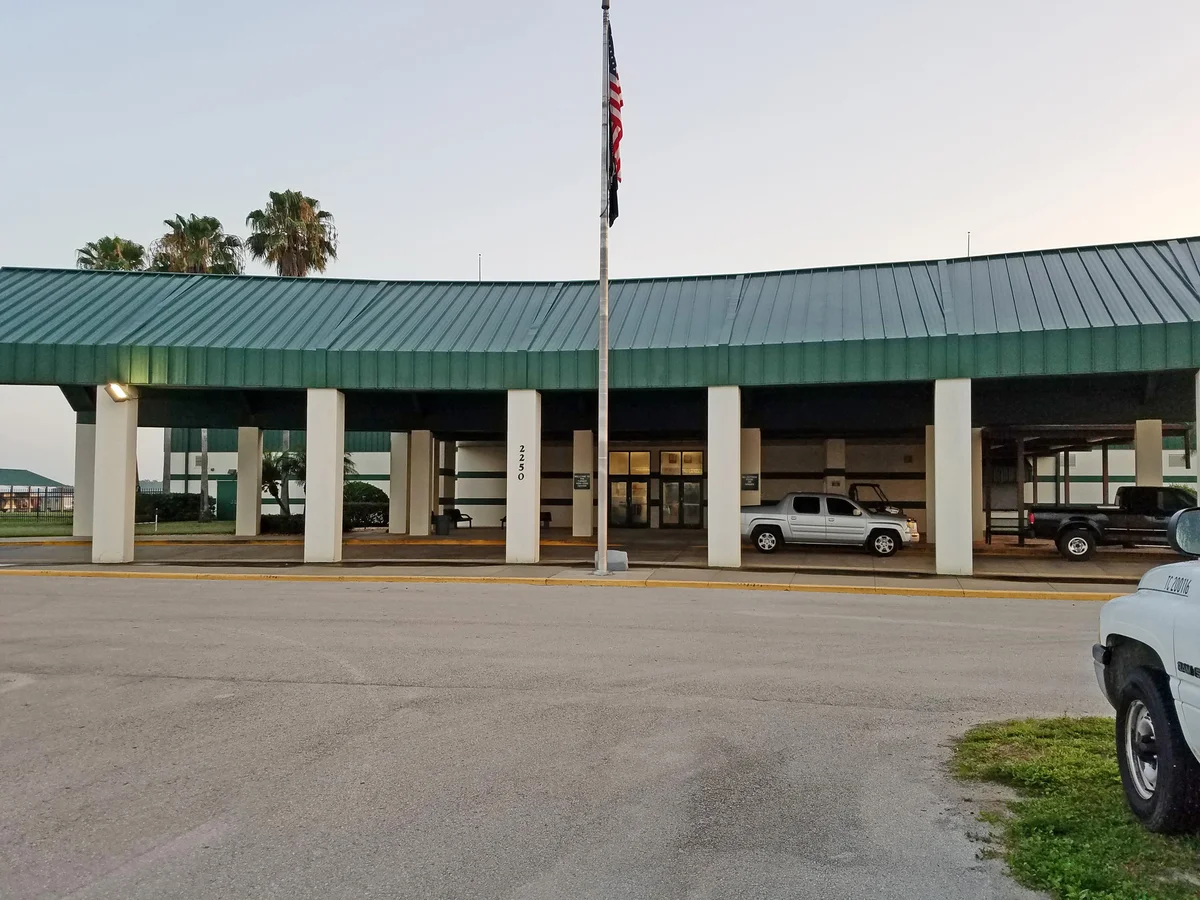
Senior Living Construction Requirements
Complete guide to building assisted living, memory care, and skilled nursing facilities in Florida. From AHCA licensing to specialized design requirements.
Types of Senior Living Facilities
Each facility type has different licensing, construction, and operational requirements.
| Facility Type | Licensing | Typical Size | Construction Focus |
|---|---|---|---|
| Independent Living Age-restricted communities with minimal services | Generally not AHCA-licensed | Varies widely | Residential feel, accessibility options, community spaces |
| Assisted Living Facility (ALF) Personal care services in residential setting | AHCA License Required | Typically 16-120+ | Private rooms, grab bars, emergency call systems, nursing stations |
| Memory Care Specialized dementia and Alzheimer's care | ALF with Extended Congregate Care (ECC) License | Typically 16-60 | Secured perimeter, circular layouts, visual cues, reduced stimulation |
| Skilled Nursing Facility (SNF) 24/7 skilled nursing care | AHCA Nursing Home License | Typically 60-150+ | Hospital-grade systems, therapy rooms, clinical infrastructure |
| Continuing Care Retirement Community (CCRC) Full continuum from independent to skilled nursing | Multiple licenses by level | 200-500+ residents | Phased construction, campus planning, transitions between levels |
AHCA Physical Plant Requirements
Florida Agency for Health Care Administration (AHCA) sets minimum standards for licensed senior living facilities.
Physical Plant Standards
- Minimum 80 sq ft per resident in sleeping rooms
- Minimum 35 sq ft per resident in dining/activity areas
- One toilet and lavatory per 6 residents
- One bathtub or shower per 10 residents
- Emergency lighting and generator backup
- Fire alarm and sprinkler systems throughout
Accessibility Requirements
- ADA-compliant doorways minimum 32" clear width
- Corridors minimum 60" wide for two wheelchairs
- Grab bars in all bathrooms (1.25-1.5" diameter)
- Non-slip flooring throughout facility
- Lever-style door handles (no round knobs)
- Accessible routes to all common areas
Safety Systems
- Emergency call system in every resident room and bathroom
- Smoke detectors in all rooms (interconnected)
- Fire sprinkler system per NFPA 13
- Emergency generator for life safety systems
- Secured medication storage areas
- Proper ventilation for laundry and food service
Staff and Operational Areas
- Nursing station with visual oversight of corridors
- Clean and soiled utility rooms (separate)
- Adequate food preparation and storage
- Laundry facilities (commercial grade)
- Staff break room and locker area
- Administrative office space
Memory Care Design Elements
Specialized design features for dementia and Alzheimer's care facilities that balance safety with quality of life.
Secured Perimeter
Purpose: Prevent elopement while maintaining dignity
Delayed egress doors, fence/wall minimum 6 ft, alarm systems on all exits
Tip: Use disguised doors, murals on exit doors to reduce exit-seeking behavior
Circular Walking Paths
Purpose: Allow safe wandering, reduce agitation
Continuous loop design, no dead ends, interesting waypoints
Tip: Include seating alcoves, themed areas, and gardens along path
Visual Cue System
Purpose: Aid wayfinding for cognitively impaired residents
Distinct colors per neighborhood, shadow boxes at room doors, clear signage
Tip: Use resident photos and personal items at doorways for recognition
Sensory Gardens
Purpose: Therapeutic outdoor space with controlled access
Enclosed courtyard, non-toxic plants, textured surfaces, water features
Tip: Include raised beds for gardening therapy, shaded seating areas
Reduced Stimulation Zones
Purpose: Calm spaces for agitated residents
Quiet room with dimmable lights, soft furnishings, minimal patterns
Tip: Include sensory items like weighted blankets, fidget tools
Open Kitchen Concept
Purpose: Familiar smells trigger positive memories
Visible food prep area, locked sharp items, familiar appliance appearance
Tip: Baking activities create calming aromas and engagement
Senior Living Construction Process
Critical steps and approvals required for licensed facility construction in Florida.
Pre-Construction Planning
Design Development
Construction Phase
Pre-Opening Requirements
Critical Construction Considerations
Universal Accessibility
Beyond ADA minimums, design for aging in place. Wide corridors, zero-threshold showers, and wheelchair-accessible common areas are essential.
Homelike Atmosphere
Avoid institutional design. Residential-scale spaces, warm finishes, and personalization options improve resident satisfaction and outcomes.
Staff Efficiency
Layout affects staffing costs. Design nursing stations with corridor visibility, efficient medication routes, and centralized support services.
Frequently Asked Questions
Related Commercial Construction Resources
Planning a Senior Living Facility?
FCS has experience building AHCA-licensed facilities throughout Tampa Bay. From initial planning through licensing inspections, we guide your project to successful completion.
Related Articles
Key Considerations for Building Medical Facilities
Specialized requirements for healthcare construction in Florida.
Read MoreNavigating AHCA Inspections
Preparing for and passing Florida healthcare facility inspections.
Read MoreMedical Facility Renovations
Renovating healthcare spaces while maintaining operations and compliance.
Read MoreClean Room Construction Standards
Meeting stringent requirements for controlled environment construction.
Read More