Tampa's Structural Drying Services Post-Flooding
Professional commercial structural drying following flood and water damage. IICRC-certified technicians, industrial dehumidification, and comprehensive moisture monitoring to protect your Tampa Bay property.
After flooding from hurricanes, storm surge, or water damage events, proper structural drying is the critical step that determines whether your Tampa Bay commercial property can be restored or requires extensive demolition and reconstruction. Moisture trapped in building materials leads to mold growth (often within 24-48 hours in Tampa's climate), structural degradation, and ongoing indoor air quality problems. Florida Construction Specialists provides professional structural drying services using industrial-grade equipment and IICRC-certified protocols to thoroughly dry your building and protect your investment.
The 24-48 Hour Window
In Tampa's warm, humid climate, mold can begin growing on wet materials within 24-48 hours. Once mold establishes, remediation costs increase dramatically, and some materials that could have been dried must instead be removed. Quick response to water intrusion—starting structural drying within the critical window—can save thousands of dollars and weeks of restoration time.
Understanding Structural Drying Science
Structural drying is not simply placing fans and waiting. It's a controlled process based on psychrometric principles—the science of air-water vapor mixtures. Effective drying requires creating conditions where water evaporates from materials into the air faster than ambient humidity allows, then removing that water vapor through dehumidification. Temperature, airflow, humidity, and material characteristics all affect drying rates.
The Institute of Inspection, Cleaning and Restoration Certification (IICRC) S500 Standard provides the industry framework for water damage restoration and structural drying. Our technicians are IICRC-certified and follow these protocols to ensure thorough, documented drying that meets insurance requirements and industry best practices.
Structural Drying Services for Commercial Properties
Water Extraction
- Truck-mounted extraction units
- Submersible pumps for standing water
- Weighted extraction for carpet and pad
- Hard surface water removal
Dehumidification
- LGR (Low Grain Refrigerant) dehumidifiers
- Desiccant dehumidification systems
- Trailer-mounted commercial units
- Continuous condensate drainage
Air Movement
- High-velocity air movers
- Axial fans for large spaces
- Strategic placement for optimal drying
- Directed airflow patterns
Specialized Drying
- Wall cavity injection drying
- Hardwood floor drying mats
- Concrete slab drying systems
- Injectidry systems for difficult areas
Water Damage Categories and Drying Requirements
The IICRC classifies water damage into three categories based on contamination level, each requiring different drying approaches and safety protocols:
Category 1: Clean Water
Water from sanitary sources (broken supply lines, rainwater, condensate). Materials can typically be dried in place if addressed within 24-48 hours.
Category 2: Gray Water
Water with significant contamination (dishwasher/washing machine overflow, toilet overflow without feces). Porous materials may require removal; hard surfaces can be cleaned and dried.
Category 3: Black Water
Highly contaminated water (sewage, flood water, storm surge). Porous materials must be removed. Requires extensive cleaning, antimicrobial treatment, and careful drying of remaining structures.
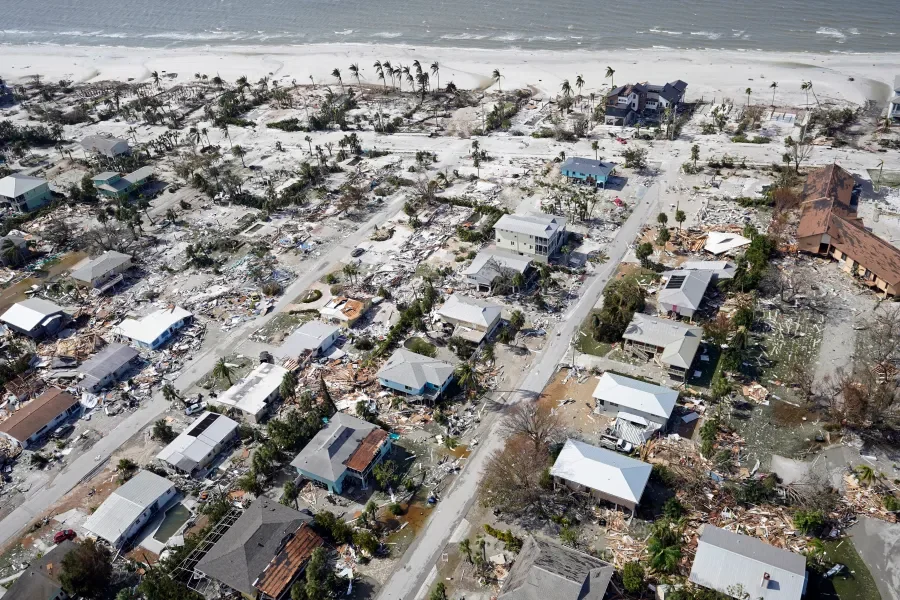
Hurricane-related flooding in Tampa Bay typically involves Category 3 water due to storm surge contamination, necessitating more aggressive removal of porous materials and careful treatment of remaining structural elements.
Structural Drying Costs in Tampa Bay
| Service Component | Price Range | Notes |
|---|---|---|
| Emergency Water Extraction | $3 - $7/sq ft | Affected area |
| LGR Dehumidifier (per day) | $75 - $200/unit | Equipment rental + monitoring |
| Air Mover (per day) | $25 - $75/unit | High-velocity units |
| Injection Drying System | $150 - $400/day | Wall cavity, under flooring |
| Moisture Monitoring | $150 - $500/day | Daily readings and documentation |
| Antimicrobial Treatment | $1 - $3/sq ft | Mold prevention application |
| Complete Drying Service | $4 - $12/sq ft | All-inclusive per affected area |
*Prices reflect 2024 Tampa Bay market rates. Costs vary based on water category, affected materials, building access, and drying duration required. Insurance typically covers structural drying as part of water damage restoration.
Our Structural Drying Process
Emergency Response & Assessment
We respond rapidly to assess the situation, identify the water source and category, and determine the extent of water intrusion. Thermal imaging helps identify hidden moisture in walls and ceilings.
Water Extraction
Standing water is removed using truck-mounted extractors, submersible pumps, and weighted extraction tools. Quick extraction dramatically reduces drying time and damage extent.
Moisture Mapping
We document moisture levels throughout the affected area, creating baseline measurements for all materials. This map guides equipment placement and provides comparison points for tracking drying progress.
Equipment Setup
Dehumidifiers and air movers are strategically placed based on psychrometric calculations to create optimal drying conditions. Equipment quantities are matched to the space volume and moisture load.
Daily Monitoring
Technicians take daily moisture readings, adjust equipment as needed, and document progress. We provide regular updates and adjust the drying plan based on actual conditions.
Verification & Documentation
Drying continues until all materials reach target moisture levels (typically matching unaffected reference areas). Final documentation confirms successful drying for insurance records and reconstruction clearance.
Frequently Asked Questions
How long does structural drying take for commercial buildings?
Drying time depends on water volume, materials affected, and building construction. Standard drywall and framing typically dry in 3-5 days with proper equipment. Concrete slabs and masonry may require 7-14 days or longer. Hardwood floors can take 2-3 weeks. We monitor moisture levels daily and continue drying until materials reach acceptable moisture content—typically below 15% for wood and below 1% relative humidity difference for concrete.
What's the difference between water extraction and structural drying?
Water extraction removes standing water and surface moisture using pumps, extractors, and wet vacuums—this is the immediate emergency response. Structural drying removes moisture that has absorbed into building materials (drywall, framing, insulation, concrete) using dehumidification, air movement, and controlled evaporation. Both are essential; extraction alone won't prevent mold or material degradation.
Can structural drying prevent the need for demolition?
When started within 24-48 hours of water intrusion, proper structural drying can often save materials that would otherwise require removal. Drywall, carpet, hardwood floors, and structural framing can frequently be dried in place if addressed quickly. However, materials saturated with Category 3 (contaminated) water, or wet for extended periods, typically require removal regardless of drying. Our assessment determines salvageability.
How do you monitor the drying process?
We use professional moisture measurement equipment including pin-type and pinless moisture meters, thermo-hygrometers for temperature and humidity, and thermal imaging cameras to identify hidden moisture. We create moisture maps documenting initial conditions and take daily readings throughout drying. This documentation proves materials reached acceptable moisture levels before reconstruction—essential for insurance claims and preventing future problems.
What equipment is used for commercial structural drying?
Commercial structural drying requires industrial-grade equipment: LGR (Low Grain Refrigerant) dehumidifiers that remove 15-30 gallons of water per day each, high-velocity air movers that accelerate evaporation, air scrubbers with HEPA filtration, injection drying systems for wall cavities and under flooring, and desiccant dehumidifiers for specialized applications. Equipment selection depends on building size, construction type, and conditions.
Why Proper Structural Drying Matters
Inadequate drying leads to expensive problems: mold growth requiring remediation, warped flooring and structural materials, musty odors, and ongoing moisture issues. Insurance companies increasingly scrutinize drying documentation, and improperly dried buildings can face coverage disputes for future moisture-related claims.
Florida Construction Specialists' IICRC-certified technicians understand the science of structural drying and have the equipment and expertise to dry your commercial property thoroughly and document the process completely. We've dried millions of square feet of Tampa Bay commercial space following hurricanes, floods, and water damage events.
Water Damage? Act Fast.
Every hour counts after water intrusion. Contact Florida Construction Specialists immediately for professional structural drying services that protect your Tampa Bay commercial property from mold and ongoing moisture damage.
Professional Structural Drying for Tampa Bay
Contact Florida Construction Specialists for IICRC-certified structural drying services throughout Tampa Bay.