
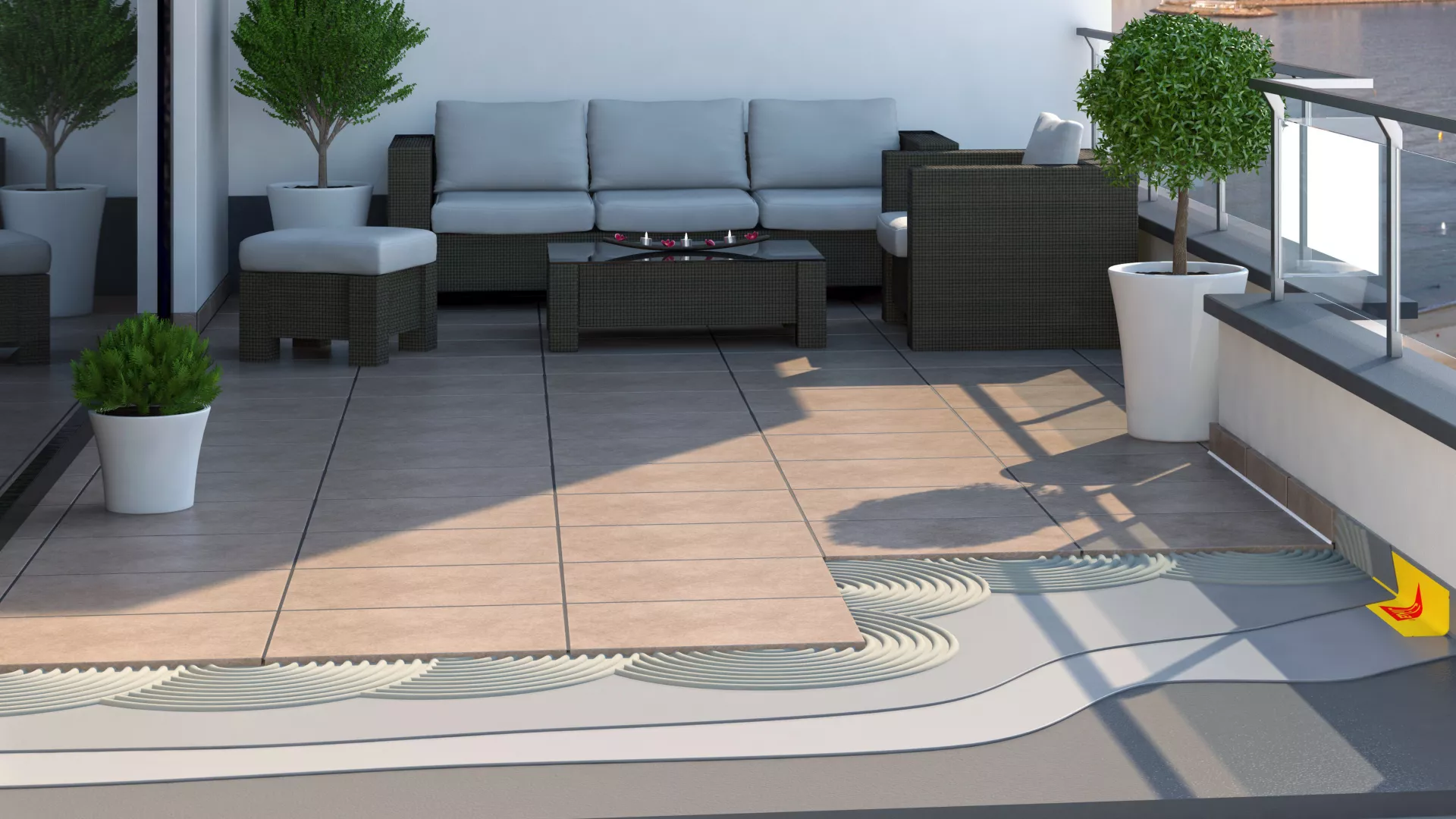
Top Balcony Flooring Materials for Style and Durability
Premium flooring solutions for high-rise balconies combining lasting beauty, weather resistance, and practical performance.
Balcony flooring transforms functional concrete slabs into inviting outdoor spaces that extend living areas and enhance unit values. For high-rise condominiums in Tampa Bay, flooring selection involves considerations beyond residential applications—structural capacity, waterproofing integration, fire code compliance, and long-term maintenance accessibility all factor into the decision. Florida Construction Specialists helps building owners and associations select and install balcony flooring systems that perform beautifully throughout their service lives.
Florida's SB 4-D legislation has added new considerations to flooring selection. Milestone structural inspections require access to evaluate waterproofing systems and structural conditions beneath finished surfaces. Flooring materials that allow easy removal and replacement support inspection requirements, while permanently bonded installations may complicate future compliance activities. Smart flooring selection considers both current aesthetics and long-term building management needs.
Understanding Flooring System Requirements
High-rise balcony flooring faces demanding conditions that ground-level installations rarely experience. Intense UV radiation at upper floors accelerates material degradation. Wind-driven rain during storms tests drainage and waterproofing performance. Thermal cycling from full sun exposure creates expansion and contraction stresses. Salt air corrodes susceptible materials. Quality flooring systems must withstand all these stresses while maintaining appearance and safety.
Waterproofing integration represents the most critical technical consideration. Every flooring system must work with—not against—the waterproofing membrane that protects the structural slab. Some systems bond directly to waterproofing membranes, requiring compatible products and proper installation techniques. Other systems elevate above membranes on pedestals, creating drainage cavities that enhance waterproofing performance. Understanding these relationships guides appropriate flooring selection.
Structural load considerations affect what flooring materials are feasible for specific balconies. Added dead load from heavy flooring reduces the capacity available for live loads (occupants, furniture, planters). Older balconies designed for lighter finishes may not safely support stone tile with mortar beds. Structural evaluation by a licensed engineer confirms that selected flooring falls within safe limits—documentation that also supports SB 4-D compliance.
SB 4-D Compliance Considerations
Florida's SB 4-D legislation creates practical implications for balcony flooring selection in condominium buildings. Milestone inspections require engineers to evaluate structural conditions and waterproofing system performance. Flooring that conceals these elements without providing access complicates inspections and may require destructive testing.
Removable flooring systems offer significant advantages for SB 4-D compliance. Pedestal-mounted pavers lift out easily, providing immediate access to waterproofing membranes for inspection. After assessment, pavers reinstall without special tools or skills. This accessibility simplifies both scheduled milestone inspections and emergency repairs if leaks develop. The slight premium for pedestal systems often pays for itself in reduced inspection complexity.
Structural load documentation supports SIRS reserve planning. The weight of flooring materials affects structural capacity calculations that inform reserve studies. Properly documented flooring installations provide the information needed for accurate reserve planning and demonstrate attention to structural considerations during SB 4-D inspections.
Porcelain Tile and Paver Options
Porcelain has emerged as the premium material for high-rise balcony flooring, offering exceptional durability, fade resistance, and design versatility. Technical porcelain tiles are fired at extremely high temperatures, creating dense, virtually non-porous surfaces that resist staining, moisture absorption, and wear. Unlike natural stone, porcelain maintains consistent appearance without sealing or special maintenance.
Installation methods for porcelain vary by application. Thin-set installations bond tiles directly to compatible waterproofing membranes using flexible thin-set mortars designed for exterior applications. This approach creates permanent installations that maximize balcony space (no height added) but require membrane compatibility verification. Pedestal installations support porcelain pavers above membranes without adhesive, creating drainage cavities and allowing tile removal for maintenance access.
Design options for porcelain tiles are virtually unlimited. Stone looks replicate granite, marble, travertine, and slate with remarkable realism. Wood looks provide the warmth of natural timber without the maintenance requirements. Concrete and terrazzo patterns suit contemporary architectural styles. Large-format tiles (up to 48 inches) create sleek, modern appearances with minimal grout lines.
Deck Coating Systems
Deck coating systems provide integrated waterproofing and walking surface in a single, bonded application directly to concrete substrates. These systems are inherently thin (typically 40-120 mils), maintaining original balcony elevations and door threshold relationships. For buildings where height increases would create door clearance problems or code compliance issues, deck coatings offer solutions that overlays cannot.
Decorative options for deck coatings include solid colors in virtually any shade, multi-color fleck broadcasts that create depth and visual interest, and aggregate systems using colored quartz or other materials for both appearance and slip resistance. Stencil patterns can simulate tile or stone at lower cost than actual tile installation. Custom designs and logos can be incorporated for distinctive installations.
Maintenance for deck coatings involves periodic recoating (typically every 5-10 years) to restore appearance and protection. Because coatings bond directly to concrete, substrate preparation before recoating is critical for adhesion. When properly maintained, quality deck coating systems provide 20-25 years of service before complete replacement becomes necessary.
Natural Stone Options
Natural stone creates luxurious balcony surfaces that enhance high-end condominium units. Granite, slate, and quartzite offer excellent durability for outdoor applications with minimal maintenance requirements. Travertine and marble provide classic elegance but require sealing and more careful maintenance to prevent staining. Each stone type brings unique characteristics that suit different aesthetic goals.
Weight considerations become particularly important with natural stone. Thick stone tiles with mortar-bed installation can add 25-40+ pounds per square foot—loads that may exceed the safe capacity of some balcony slabs. Structural evaluation before specifying stone flooring confirms that balconies can support the added weight while maintaining code-required live load capacity.
Installation methods for stone depend on weight, waterproofing system requirements, and access needs. Thin-set installations work for thinner gauged stones over compatible membranes. Mortar-bed installations accommodate irregular stone but add significant weight. Pedestal support allows thicker stone cut to paver dimensions to install without adhesive, preserving inspection access.
Composite and Engineered Flooring Systems
Composite flooring materials combine wood fibers with plastic polymers, creating products that offer wood's natural appearance with enhanced weather resistance. For balcony applications, composites eliminate the maintenance requirements of natural wood—no staining, sealing, or periodic replacement—while providing warm, organic aesthetics that many homeowners prefer.
Installation options for composite materials include traditional deck planks installed over sleeper systems, interlocking tile systems that snap together without tools, and plank tiles designed for pedestal installation. Each approach offers different advantages in terms of installation speed, adjustability, and maintenance access. Pedestal systems provide superior drainage and allow easy removal for inspection access.
Quality varies significantly among composite products. Premium composites use capped construction with protective polymer layers that resist fading, staining, and scratching. Standard composites may show UV degradation over time in Florida's intense sun. Color-through products maintain consistent appearance even if surface scratches occur, while surface-colored products may show substrate when damaged.
Interlocking Deck Tile Systems
Interlocking deck tiles provide the simplest balcony flooring upgrade option, installing directly over existing concrete surfaces without adhesives or tools. These systems work well for balconies with adequate waterproofing that need only aesthetic improvement. Tiles lift easily for cleaning underneath or accessing mechanical components.
Material options for interlocking tiles include wood composites, recycled plastics, artificial grass, and rubber compounds. Wood composite tiles provide natural appearance with low maintenance. Artificial grass creates unique outdoor aesthetics while remaining comfortable underfoot. Rubber tiles offer superior slip resistance and cushioned feel for exercise or children's play.
Installation considerations include drainage beneath tiles and edge terminations at balcony perimeters. Proper drainage prevents water accumulation under tiles that could create odors or structural issues. Edge trim pieces provide finished appearances and prevent tile shifting during use. Some systems include adjustable height features that accommodate minor slope variations.
Pedestal Support Systems for Enhanced Performance
Pedestal support systems revolutionize balcony flooring by creating drainage cavities between flooring materials and structural slabs. This separation allows water to flow freely to drains without accumulating beneath flooring, enhances waterproofing membrane protection from foot traffic and UV exposure, and provides easy access for maintenance and inspection.
Adjustable pedestals accommodate slope variations and elevation changes without shimming or cutting. Height adjustments typically range from 0.5 inches to 4 inches, allowing precise leveling of finish floors over sloped membranes. Built-in slope correction eliminates puddle formation that plagues many traditional installations. Advanced pedestal systems include features like sound dampening, load distribution plates, and integrated wire management.
Material compatibility with pedestal systems extends beyond traditional pavers to include porcelain slabs, natural stone tiles, composite planks, and specialty products like metal grating or concrete pavers. The uniform support provided by pedestals prevents stress concentrations that can crack tiles, while the air space beneath provides thermal insulation that reduces material expansion.
Pedestal System Advantages for SB 4-D Compliance
Immediate Inspection Access: Flooring materials lift off pedestals without tools, exposing waterproofing membranes for visual inspection or testing
Minimal Inspection Cost: No destructive testing or flooring replacement required to assess membrane condition during milestone inspections
Rapid Restoration: Flooring reinstalls immediately after inspection completion, minimizing resident disruption and building exposure
Future Maintenance: Membrane repairs or replacements proceed without flooring disposal and replacement costs
Documentation Support: Easy access facilitates the photographic documentation required for SB 4-D compliance reporting
Climate Considerations for Tampa Bay High-Rises
Tampa Bay's marine climate creates specific challenges for balcony flooring materials. High humidity levels maintain moisture longer after rain events, potentially promoting mold or mildew in organic materials. Salt air exposure accelerates corrosion in metal components and may affect some natural stones. Thermal cycling from intense sun followed by afternoon thunderstorms creates expansion stresses.
Wind exposure increases significantly with height, creating different stress patterns than ground-level installations experience. Upper-floor balconies face stronger winds and wind-driven rain that test flooring retention and drainage performance. Flooring systems must secure adequately to prevent uplift during storm events while allowing normal expansion movement.
UV intensity at upper floors exceeds ground level due to reduced atmospheric filtration and reflection from water surfaces. Materials must resist fading and degradation from prolonged UV exposure. Some products that perform well at ground level may show premature aging when used on high-rise balconies without adequate UV resistance.
Drainage Design Integration
Effective drainage represents the foundation of successful balcony flooring performance. Florida's intense rainfall events can overwhelm inadequate drainage systems, causing water backup beneath flooring that creates long-term problems. Proper drainage design considers storm intensity, balcony area, slope requirements, and drain capacity to prevent water accumulation.
Overlay flooring systems require different drainage approaches than integral coatings. Pedestal-mounted systems create drainage cavities that channel water directly to drains without surface flow. This approach prevents standing water that could penetrate flooring joints while protecting waterproofing membranes from direct exposure. Adequate drain sizing and regular cleaning maintain system effectiveness.
Slope management becomes critical when installing flooring over waterproofing membranes that already have proper slope to drains. Overlay systems must maintain adequate slope for drainage while preventing reverse pitch that could direct water toward buildings. Pedestal systems with adjustable heights solve this challenge by creating consistent flooring levels over varied membrane slopes.
Building-Wide Flooring Programs
Condominium associations increasingly approach balcony flooring as building-wide improvement programs rather than individual unit upgrades. Coordinated programs achieve economies of scale, ensure consistent appearance throughout the building, and simplify maintenance planning. Material purchasing, installation scheduling, and warranty management become more efficient with larger project scope.
Phased implementation allows associations to spread costs over multiple budget cycles while maintaining construction efficiency. Buildings might complete one tower per year or divide projects by floor levels to manage cash flow. Phased approaches require material consistency planning to ensure uniform appearance when projects complete at different times.
Resident coordination becomes essential for building-wide programs. Clear communication about schedules, material delivery, installation procedures, and temporary access restrictions helps maintain resident satisfaction during construction. Many associations provide alternative flooring during installation or coordinate schedules around resident travel plans.
Maintenance Planning and Service Life Expectations
Different flooring materials require varying maintenance approaches that affect total cost of ownership over their service lives. Deck coating systems need periodic recoating to maintain appearance and protection—typically every 5-10 years depending on exposure and use. Quality between recoating cycles minimizes maintenance to basic cleaning and prompt repair of any damage.
Porcelain and stone installations require minimal maintenance beyond regular cleaning, but individual tiles may need replacement if cracked or damaged. Pedestal-mounted systems simplify tile replacement by allowing access without disturbing adjacent areas. Natural stone may require periodic sealing depending on stone type and finish, while porcelain remains virtually maintenance-free.
Composite materials typically require cleaning and may need periodic replacement of individual components as UV degradation affects appearance. Quality composite products maintain structural integrity throughout their service lives even as surface appearance changes. End-of-life replacement is generally straightforward since most composite systems install without adhesives.
Service Life Expectations by Material Type
Long-Term Materials (20+ years)
- • Quality porcelain tiles and pavers
- • Natural stone (granite, slate, quartzite)
- • High-grade deck coating systems (with recoating)
- • Engineered stone and quartz surfaces
Medium-Term Materials (10-20 years)
- • Premium composite decking materials
- • Natural stone requiring more maintenance
- • Rubber and specialty flooring systems
- • Basic deck coating systems
Installation Quality and Contractor Selection
Flooring performance depends as much on installation quality as material selection. Proper substrate preparation, waterproofing compatibility verification, adhesive selection, and detail execution all affect service life and performance. Experienced contractors understand these requirements and execute installations that deliver expected performance throughout their design lives.
High-rise installation presents unique challenges including material hoisting, wind protection during installation, and coordination with building operations. Contractors need insurance coverage appropriate for high-rise work, safety training for elevated construction, and experience managing logistics in occupied buildings. These qualifications go beyond basic flooring installation skills.
Warranty coverage should include both material and installation components with clear terms about what constitutes normal wear versus defective performance. Quality contractors provide comprehensive warranties and stand behind their work with responsive service when issues arise. Verify that contractors maintain appropriate licensing, insurance, and bonding for your project scope.
Cost Analysis and Value Considerations
Initial installation cost represents only one factor in flooring selection economics. Maintenance requirements, replacement frequency, and utility impacts all contribute to total cost of ownership. Premium materials with higher initial costs may provide better long-term value through longer service lives and reduced maintenance requirements.
Energy efficiency considerations affect both resident comfort and utility costs. Light-colored flooring reduces heat absorption that could affect cooling costs in adjacent units. Thermal insulation provided by pedestal systems reduces heat transfer through balcony slabs. These benefits may offset premium costs through reduced energy consumption over time.
Property value impacts should factor into flooring selection for condominium units. Quality flooring enhances unit marketability and may support premium pricing in competitive markets. Conversely, dated or deteriorating flooring can negatively affect property values and marketability. Smart flooring investment maintains and enhances property values while providing immediate quality-of-life improvements.
Fire Safety and Code Compliance for High-Rise Balconies
High-rise balcony flooring must comply with fire safety regulations that don't apply to ground-level installations. Building codes may restrict combustible materials on balconies above certain heights, limiting some composite and wood options. Flame spread ratings and smoke development characteristics become important selection criteria for materials used in high-rise applications.
Some flooring materials may require fire-resistant barriers or separation when installed over combustible substrates. Pedestal systems using non-combustible materials (aluminum, steel, concrete) may allow otherwise restricted flooring materials by providing appropriate fire separation. Understanding these code requirements prevents selection of incompatible materials that would require costly changes.
Emergency egress considerations affect flooring selection near exit doors and evacuation routes. Slip-resistant surfaces become especially critical in emergency situations where residents may evacuate quickly. Flooring must maintain traction when wet and not become slippery during the rain events that often accompany severe weather requiring evacuation.
Technology Integration in Modern Balcony Design
Contemporary balcony designs increasingly incorporate technology that affects flooring selection. Heated flooring systems extend usable seasons for balconies in cooler months, requiring flooring materials compatible with thermal cycling and expansion. Integrated lighting systems may require access beneath flooring for maintenance and modification.
Smart irrigation systems for balcony gardens need appropriate drainage integration and may require flooring that accommodates moisture from automated watering. Security systems including cameras and sensors may require wire management beneath flooring. Audio systems for outdoor entertainment need acoustical considerations in flooring selection.
Future technology accommodation should influence flooring selection for forward-thinking installations. Removable flooring systems provide flexibility for technology additions without reconstruction. Appropriate conduit systems beneath flooring can accommodate future wiring needs. Planning for technology evolution prevents flooring obsolescence as building systems advance.
Environmental Impact and Sustainability
Sustainability considerations increasingly influence flooring material selection for environmentally conscious building owners and associations. Recycled content materials reduce environmental impact while often providing cost advantages. Locally sourced materials reduce transportation carbon footprints and support regional economies.
End-of-life considerations affect overall environmental impact of flooring choices. Materials that can be recycled or repurposed at replacement time reduce landfill waste. Flooring systems that allow selective replacement of worn components rather than complete system replacement minimize waste generation during maintenance and upgrades.
Energy efficiency impacts of flooring selection extend beyond immediate thermal performance. Light-colored surfaces reduce urban heat island effects that contribute to regional cooling costs. Durable materials requiring less frequent replacement reduce lifecycle environmental impacts. These considerations align environmental responsibility with long-term cost management.
Regional Market Trends and Innovation
Tampa Bay's balcony flooring market continues evolving with new materials, installation methods, and design trends. Recent innovations include ultra-thin porcelain slabs that reduce weight while providing large-format aesthetics, improved composite materials with enhanced UV resistance, and advanced pedestal systems with integrated features like height adjustment and leveling.
Market demand has shifted toward materials requiring minimal maintenance while providing high-end aesthetics. Property owners increasingly value flooring systems that maintain appearance throughout their service lives without ongoing maintenance requirements. This trend favors porcelain and quality composite materials over natural products requiring regular care.
Design trends emphasize seamless indoor-outdoor transitions with flooring materials that coordinate with interior finishes. Large-format tiles, consistent color palettes, and similar textures create visual continuity between living spaces and balconies. These design approaches maximize perceived space while creating cohesive aesthetic experiences.
Emerging Trends in Tampa Bay High-Rise Balcony Flooring
Material Innovation
Ultra-thin porcelain slabs (6-12mm thick) reduce weight while enabling large-format designs. Advanced composites with improved UV resistance extend service lives. Recycled materials gain popularity for sustainability goals.
Installation Methods
Pedestal systems with enhanced features become standard for premium applications. Adhesive-free installations gain favor for maintenance accessibility. Modular systems allow easier future modifications.
Design Preferences
Large-format materials minimize grout lines for cleaner aesthetics. Natural stone looks in engineered materials combine beauty with performance. Indoor-outdoor continuity drives material coordination with interior finishes.
Project Planning and Implementation Strategy
Successful balcony flooring projects require careful planning that considers building logistics, resident needs, weather windows, and regulatory requirements. Early planning allows better scheduling, material selection, and cost management. Rushing into flooring projects without adequate planning often leads to delays, cost overruns, and resident dissatisfaction.
Material lead times vary significantly among flooring options, with custom materials requiring longer delivery schedules. Standard porcelain tiles may ship within weeks, while custom stone or specialty products could require months. Weather considerations affect installation schedules, particularly for adhesive-dependent systems that require dry conditions for proper bonding.
Phasing strategies help manage building disruption and cash flow while maintaining construction efficiency. Logical phasing approaches include completing entire floors before moving to the next level, working from top to bottom to minimize material hoisting, or dividing buildings by wings or sections for staged completion.
Quality Control and Project Success
Quality control measures throughout balcony flooring projects ensure installations meet design intent and performance expectations. Pre-installation inspections verify substrate conditions, waterproofing integrity, and material quality. Installation monitoring ensures proper techniques, appropriate materials, and compliance with manufacturer specifications.
Progress inspections at key milestones identify issues before they become major problems. Drainage testing verifies system function before flooring installation. Final inspections confirm completed work meets specifications and identify punch list items for correction. Comprehensive documentation supports warranty claims and future maintenance planning.
Post-installation support ensures continued performance throughout flooring service lives. Maintenance instruction helps building staff care for flooring properly. Warranty support addresses any performance issues that develop. Ongoing consultation helps plan for future modifications or replacements as building needs evolve.
Choose Florida Construction Specialists for Your Balcony Flooring Project
Florida Construction Specialists brings specialized expertise in high-rise balcony flooring to Tampa Bay condominium projects. Our understanding of SB 4-D compliance requirements, structural considerations, waterproofing integration, and climate challenges ensures flooring installations that deliver lasting performance and beauty. We help building owners and associations select optimal flooring solutions that balance aesthetics, durability, maintenance requirements, and cost considerations.
Our comprehensive approach includes structural evaluation to confirm flooring compatibility, waterproofing assessment to ensure proper integration, material selection guidance based on building-specific requirements, and professional installation with appropriate quality control measures. We stand behind our work with comprehensive warranties and ongoing support throughout flooring service lives.
Contact us today to discuss your balcony flooring project. We'll help you select materials and systems that enhance your building's value while providing years of beautiful, functional outdoor living space for residents.
Whether you're planning a single unit upgrade or a building-wide improvement program, our team provides the expertise needed for successful balcony flooring installation in Tampa Bay's demanding high-rise environment. We serve condominium associations, property managers, and individual unit owners throughout the greater Tampa Bay area with professional flooring solutions that stand the test of time.
Ready to transform your balcony spaces? Contact Florida Construction Specialists today for expert guidance on material selection and professional installation.
Your balconies deserve flooring that combines lasting beauty with practical performance.
Balcony Flooring Costs in Tampa Bay
| Flooring Material | Cost Range | Unit |
|---|---|---|
| Deck Coating System (complete) | $15 - $40 | Per sq ft |
| Porcelain Pavers on Pedestals | $25 - $50 | Per sq ft |
| Porcelain Tile (thin-set over membrane) | $20 - $40 | Per sq ft |
| Natural Stone Tile | $30 - $60+ | Per sq ft |
| Interlocking Deck Tiles | $8 - $20 | Per sq ft |
| Composite Plank System | $20 - $40 | Per sq ft |
| Typical Balcony (50 sq ft, coating) | $750 - $2,000 | Per unit |
| Typical Balcony (50 sq ft, pavers) | $1,250 - $2,500 | Per unit |
*Costs vary based on material selection, substrate condition, and project scale. Contact us for a detailed estimate.
Why Choose Florida Construction Specialists
Frequently Asked Questions
Related Articles
Balcony Restoration & Waterproofing for Longevity
Protect your investment with restoration systems engineered for 20+ years of service.
Read MoreFlorida SB4-D Compliance Guide
Essential requirements for condo milestone inspections and structural integrity reserves.
Read MoreEffective Balcony Maintenance Tips
Proactive maintenance strategies to extend balcony lifespan and prevent costly repairs.
Read MoreCondo Balcony Inspection Requirements
Understanding inspection requirements under Florida's updated condo safety legislation.
Read MoreUpgrade Your Balcony Flooring Today
Contact Florida Construction Specialists for expert guidance on balcony flooring materials that deliver lasting beauty and performance.