Understanding Tampa Insurance Restoration Claims
Navigate the insurance restoration claim process with confidence. Learn Florida insurance laws, understand your coverage, and protect your rights as a commercial property owner in Tampa Bay.
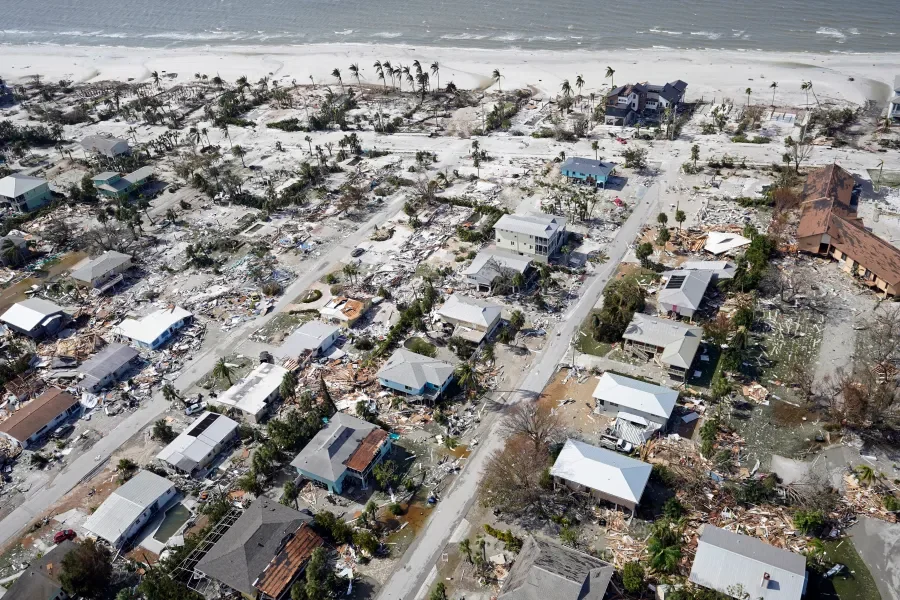
Insurance restoration claims can be complex, especially for commercial properties in Tampa Bay where hurricanes, flooding, and severe weather create frequent damage events. Understanding how insurance claims work—from initial filing through final settlement—empowers you to protect your rights, avoid common pitfalls, and maximize your recovery. This guide covers the essential elements of Florida insurance restoration claims for commercial property owners.
Important: Florida Insurance Claim Deadlines
Florida law imposes strict deadlines on insurance claims. You must file claims within 2 years of the loss date (for policies issued after July 1, 2021) and report damage "promptly." Insurance companies must acknowledge claims within 14 days and pay or deny within 90 days. Missing any deadline can jeopardize your entire claim. Contact us immediately after damage occurs to protect your rights.
The Insurance Claim Process in Florida
Understanding the claim process helps you navigate each stage effectively. Florida law establishes specific timelines and requirements that both policyholders and insurers must follow. Knowing these requirements protects your rights and helps you identify when an insurer isn't meeting its obligations.
Damage Occurs & Initial Response
Document damage immediately with photos and videos. Take reasonable steps to prevent further damage (mitigation). Notify your insurance company promptly. Under Florida law, failing to mitigate can reduce your claim recovery.
Claim Filing & Acknowledgment
File your claim formally with the insurer. Florida Statute 627.70131 requires insurers to acknowledge receipt within 14 days and begin investigation within 14 days. The insurer will assign an adjuster to your claim.
Adjuster Inspection
The insurance company adjuster will inspect your property. Be present or have a representative present. Point out all damage—don't assume they'll find everything. Having your own documentation helps identify missed items.
Proof of Loss Submission
You'll submit a formal proof of loss documenting your claimed damages. This sworn statement details the loss amount and must be accurate—misrepresentations can void your policy. Professional documentation services help ensure completeness and accuracy.
Claim Decision (90 Days)
Florida law requires insurers to pay or deny claims within 90 days of receiving your proof of loss. If they need more time due to factors beyond their control, they must notify you in writing. Delays without proper notification may violate Florida law.
Payment or Dispute Resolution
If you agree with the settlement, payment is made. If you disagree, options include requesting re-inspection, invoking the appraisal clause, pursuing mediation through the Department of Financial Services, or litigation.
Understanding Your Commercial Property Coverage
Commercial property insurance typically includes multiple coverage types, each with specific requirements and limitations. Understanding what's covered—and what's not—helps you file claims properly and set realistic expectations for recovery.
Building Coverage
- Structural damage to the building
- Permanently attached fixtures
- Building systems (HVAC, electrical)
- Code upgrade coverage (if endorsed)
Business Personal Property
- Furniture and equipment
- Inventory and supplies
- Tenant improvements (betterments)
- Property of others in your care
Business Income Coverage
- Lost revenue during restoration
- Continuing operating expenses
- Extended period of indemnity
- Contingent business income
Extra Expense Coverage
- Temporary relocation costs
- Equipment rental
- Overtime labor to expedite repairs
- Additional transportation costs
Key Florida Insurance Statutes
| Statute | Subject | Key Provisions |
|---|---|---|
| 627.70131 | Claim Handling | 14-day acknowledgment, 90-day decision |
| 627.70132 | Filing Deadline | 2-year statute of limitations |
| 627.7011 | Code Upgrades | Coverage for code-required improvements |
| 627.702 | Valued Policy Law | Full limits for total losses |
| 627.428 | Attorney Fees | Insurer pays if policyholder prevails |
Common Claim Challenges and Solutions
Common Challenges
- • Claim underpayment or lowball offers
- • Coverage disputes or partial denials
- • Delayed claim processing
- • Hidden damage not acknowledged
- • Depreciation disputes
Solutions
- • Professional damage documentation
- • Policy review by coverage expert
- • Formal complaints to DFS
- • Independent contractor estimates
- • Appraisal or mediation
Frequently Asked Questions
What are the time limits for filing an insurance claim in Florida?
Florida Statute 627.70132 requires property insurance claims to be filed within 2 years of the date of loss for policies issued after July 1, 2021 (previously 3 years). You must report the claim 'promptly' to your insurer. After filing, insurers have 14 days to acknowledge your claim, 90 days to pay or deny it, and must begin investigation within 14 days. Missing these deadlines can void your right to recover. For older policies or specific coverage types, consult your policy language as different timeframes may apply.
What's the difference between replacement cost and actual cash value coverage?
Replacement cost coverage pays to repair or replace damaged property with materials of similar kind and quality, without deduction for depreciation. Actual cash value (ACV) pays the replacement cost minus depreciation, meaning you receive less for older items. Most commercial policies provide replacement cost for buildings but may have ACV provisions for certain contents. Understanding which coverage applies to each part of your property is essential for estimating your potential recovery.
Does my commercial policy cover flood damage from hurricanes?
Standard commercial property policies exclude flood damage, even if caused by a hurricane. Flood coverage requires a separate National Flood Insurance Program (NFIP) policy or private flood insurance. However, 'wind-driven rain' damage—water that enters through storm-damaged openings—is typically covered under your wind/hurricane coverage. This distinction is critically important: water that rises from below is flood (excluded); water that enters from above through damaged areas is often covered.
What is the appraisal process and when should I invoke it?
The appraisal process is a dispute resolution mechanism included in most Florida insurance policies. When you and your insurer disagree on the amount of loss (not coverage), either party can demand appraisal. Each party selects an appraiser, and the two appraisers select an umpire. If the appraisers can't agree on values, the umpire decides. Appraisal can be faster and less expensive than litigation, and the decision is binding. Consider appraisal when the insurer's estimate is significantly below actual repair costs and coverage isn't disputed.
How does Florida's assignment of benefits (AOB) reform affect my claim?
Florida's 2022 AOB reform (SB 2-D) prohibits post-loss assignment of benefits for property insurance claims. This means you can no longer sign over your insurance benefits to contractors or other third parties. However, you can still hire contractors directly, have them bill the insurance company, and authorize them to communicate with your insurer on your behalf. The reform changes the payment flow but doesn't prevent you from using professional restoration services.
Need Help with Your Insurance Claim?
Florida Construction Specialists helps Tampa Bay commercial property owners navigate insurance claims with professional damage assessment, documentation, and restoration services. We work with your insurer to support fair claim settlement.
Related Articles
Tampa Historic Restoration Permits and Regulations
Navigate Tampa's historic restoration permit process including COA requirements and SHPO review.
Read MorePreserving Tampa's Cultural Heritage
How thoughtful restoration projects maintain Tampa Bay's architectural legacy.
Read MoreArchitectural Styles in Tampa's Historic Restoration
Understanding the diverse architectural heritage of Tampa's historic districts.
Read MoreHistoric Tax Credits for Commercial Buildings
Maximize ROI with federal and state historic preservation tax incentives.
Read MoreExpert Insurance Claim Support
Contact Florida Construction Specialists for comprehensive claim support throughout Tampa Bay.