
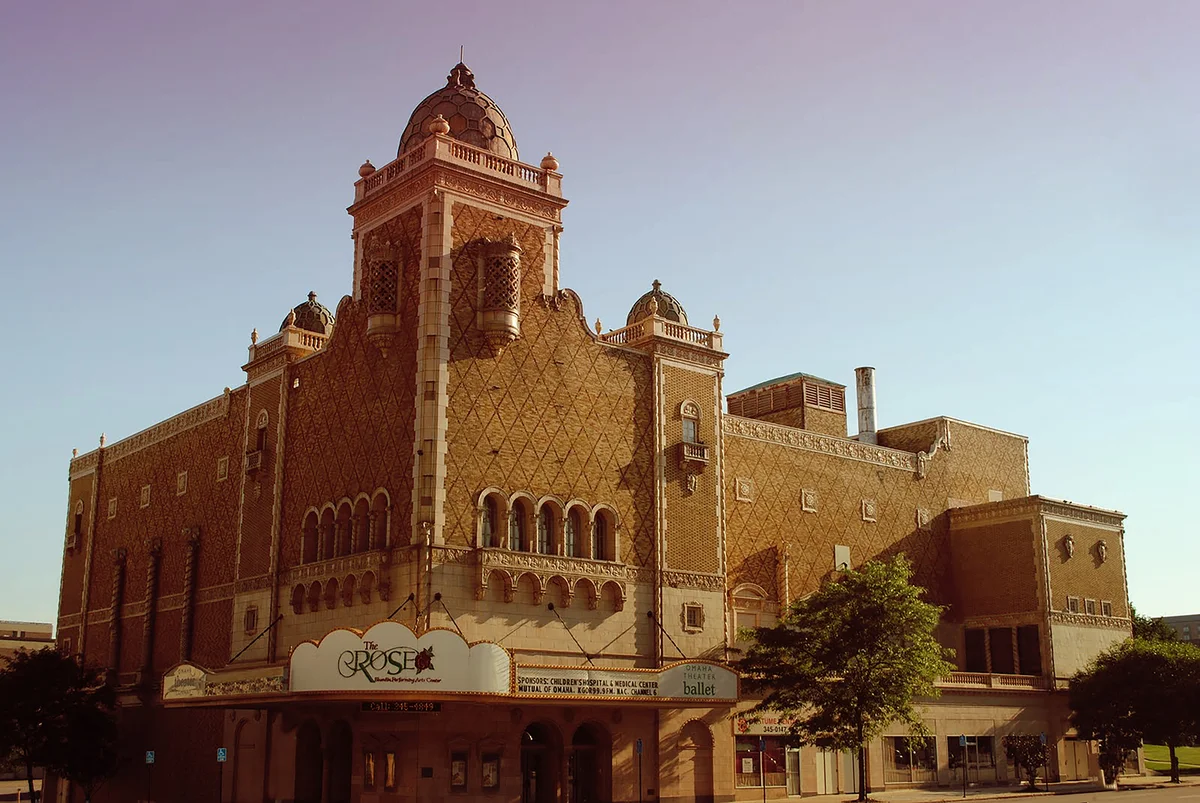
Historic Plaster Repair Techniques in Tampa
Master authentic historic plaster repair techniques in Tampa with FCS. Expert restoration of Tampa's historic districts using traditional methods, Secretary of Interior standards, and period-appropriate materials for lasting preservation.
Expert Historic Plaster Restoration in Tampa
Florida Construction Specialists specializes in authentic historic plaster repair techniques for Tampa's most treasured properties. Our craftsmen have restored historic buildings throughout Ybor City, Hyde Park, South Tampa, and downtown Tampa's historic districts, using traditional methods that maintain architectural integrity while ensuring long-term durability. With more than 300 completed projects since 1982, our CBC-licensed team delivers the structural knowledge and field experience that complex commercial work demands.
Working within the Secretary of Interior's Standards for the Treatment of Historic Properties, we employ time-tested techniques including three-coat lime plaster systems, horsehair reinforcement, and period-appropriate materials sourced specifically for Tampa's historic architecture dating from the 1880s through the 1940s.
Our historic plaster restoration services have preserved walls in Tampa Theatre, restored cigar factories in Ybor City, and maintained the elegant plasterwork in Hyde Park's Victorian and Colonial Revival homes. Each project requires careful assessment, matching of original materials, and expert craftsmanship to ensure compliance with National Register requirements.
Understanding Tampa's Historic Plaster Systems
Traditional Three-Coat Lime Plaster Systems
Tampa's historic buildings primarily feature three-coat lime plaster systems that were standard from the late 1800s through the 1940s. These systems consist of a rough cast (scratch coat), brown coat (leveling coat), and finish coat (skim coat), each serving specific structural and aesthetic purposes. The scratch coat, applied directly to wooden lath, provides mechanical bonding and structural integrity with coarse aggregates and long-fiber materials like horsehair or cattle hair.
The brown coat creates a smooth, level surface for the finish coat while providing additional thickness and thermal mass. In Tampa's historic homes, this coat often incorporates local sand sources and specific lime putty formulations that account for Florida's high humidity and seasonal moisture cycles. The finish coat provides the final decorative surface, often featuring specialized textures and finishes that reflect period architectural styles.
Understanding Historic Lath Systems in Tampa Buildings
The substrate for historic plaster varies significantly across Tampa's building periods and construction types. Early buildings from the 1880s-1910s typically feature hand-split wood lath approximately 1/4" thick and 1.5" wide, with 3/8" gaps between strips. This spacing allows plaster to squeeze through and form "keys" that mechanically anchor the plaster system to the structural framework.
Later buildings (1910-1930) often employ machine-cut lath with more consistent dimensions and spacing. Some institutional and commercial buildings from this period feature expanded metal lath, particularly in areas requiring fire resistance. Understanding the original lath system guides repair decisions—whether to preserve existing lath, supplement with compatible materials, or replace deteriorated sections.
Lath condition assessment requires careful examination of attachment, deterioration, and structural adequacy. Original lath was attached using cut nails that may have loosened over time, particularly in Tampa's humid conditions that promote wood movement. Failed attachment can cause plaster failure even when the plaster itself remains sound, requiring re-attachment using compatible fasteners and techniques.
Historic Plaster Materials and Composition Analysis
Successful historic plaster restoration requires understanding the original material composition through careful analysis. Tampa's historic plasters typically incorporate lime putty as the primary binder, with local sand aggregates and various fibrous reinforcement materials. Chemical analysis identifies lime type, aggregate characteristics, and any additives that affect performance and compatibility of repair materials.
Microscopic examination reveals aggregate gradation, fiber types and distribution, and void structure that influences permeability and thermal performance. This information guides formulation of compatible repair mortars that will bond properly with existing plaster while providing similar expansion characteristics and moisture movement properties essential for long-term stability.
Period-specific materials included local lime sources from Florida limestone, river sand from Tampa Bay watersheds, and organic fibers including horsehair, goat hair, and occasionally manila hemp. These materials created plaster systems specifically adapted to Tampa's climate, with permeability characteristics that accommodate seasonal humidity fluctuations without failure.
Tampa Historic District Plaster Characteristics
Ybor City Cigar Factory Plaster Systems
The historic cigar factories of Ybor City feature unique plaster systems designed for industrial use while maintaining the decorative character expected in these architecturally significant buildings. Factory interiors often employed heavy-duty plaster formulations with increased fiber content and coarser aggregates to withstand vibration from machinery and higher occupancy loads than typical residential buildings.
Many cigar factories feature specialized decorative plaster elements including molded cornices, ceiling medallions, and wall panels that reflect the cultural heritage of the Cuban and Spanish communities that built these structures. Restoration of these elements requires understanding traditional European plastering techniques adapted to local materials and climate conditions.
Environmental conditions in cigar factories—including controlled humidity for tobacco processing—created unique aging patterns in historic plaster. These buildings often retain excellent original plaster condition due to stable interior environments, but restoration must account for modern climate control systems that may create different moisture conditions than originally designed.
Hyde Park Residential Plaster Traditions
Hyde Park's historic residences showcase the evolution of domestic plaster systems from simple lime plaster walls to elaborate decorative schemes featuring multiple textures, colors, and applied ornaments. Early bungalows (1900-1920) typically feature relatively simple plaster walls with minimal decoration, while later Colonial Revival and Mediterranean Revival homes (1920-1940) often incorporate complex molded details and specialized finish techniques.
The progression of plaster techniques in Hyde Park reflects both changing architectural styles and advancing material technology. Early homes rely primarily on lime-based systems with horsehair reinforcement, while later construction may incorporate early gypsum plasters and machine-mixed aggregates that required different application techniques and aging patterns.
Restoration approaches in Hyde Park must respect the neighborhood's varied architectural character while maintaining consistency with individual property styles. This requires careful analysis of each building's specific plaster system and adaptation of restoration techniques to preserve the unique characteristics that contribute to the district's overall historic character.
South Tampa Institutional Building Plaster
Historic institutional buildings in South Tampa—including schools, churches, and civic buildings—often feature elaborate plaster systems designed for both durability and impressive appearance. These buildings typically employed higher-grade materials and specialized techniques including cast plaster ornaments, hand-modeled decorative elements, and multi-color finish schemes that require advanced restoration skills.
Churches and auditoriums present unique challenges due to large uninterrupted wall and ceiling areas that require scaffolding systems and specialized equipment for restoration access. These spaces often feature complex acoustic considerations that influence plaster thickness, texture, and finish selection—factors that must be preserved during restoration to maintain the buildings' functional performance.
Educational buildings from Tampa's early development period often incorporate both utilitarian and decorative plaster elements, reflecting the civic pride associated with public architecture. Restoration of these buildings must balance preservation of decorative features with practical considerations for continued institutional use and modern building code requirements.
Advanced Restoration Techniques and Case Studies
Tampa Theatre Plaster Restoration Project
The restoration of Tampa Theatre's elaborate plaster systems demonstrates the complex techniques required for preserving decorative plaster in a climate-controlled environment while maintaining operational requirements for a working theater. The project involved comprehensive assessment of existing conditions, development of compatible repair materials, and specialized application techniques for overhead work in an occupied building.
Restoration challenges included matching original decorative plaster colors and textures, stabilizing loose sections without removing original material, and coordinating work around theater operations. Solutions involved development of lightweight repair materials for overhead application, creation of detailed molds for missing decorative elements, and implementation of staged restoration approaches that minimized operational disruption.
The completed restoration preserved approximately 90% of original plaster through stabilization and repair techniques, with new material limited to areas where structural integrity could not be maintained through conservation methods. This approach achieved tax credit certification while maintaining the theater's architectural integrity and continuing operational requirements.
Historic Residence Restoration in Hyde Park
A comprehensive restoration of a 1915 Colonial Revival home in Hyde Park illustrates typical residential plaster restoration challenges including moisture damage remediation, decorative element reconstruction, and integration of modern systems with historic fabric. The project required assessment of water damage from roof leaks, development of appropriate repair materials, and reconstruction of damaged ceiling details.
Restoration work included removal of damaged plaster sections, repair of underlying lath systems, application of traditional three-coat lime plaster, and hand-finishing decorative elements to match original appearance. Modern moisture control systems were integrated without compromising the historic plaster's permeability characteristics essential for proper performance in Tampa's climate.
The project achieved National Register compliance and federal tax credit certification through careful documentation of existing conditions, use of appropriate restoration materials and techniques, and preservation of character-defining features. The restored plaster systems now provide improved moisture performance while maintaining authentic historic appearance and texture.
Historic Plaster Repair Techniques and Applications
| Repair Type | Application Method | Materials Required | Cost Range (per SF) |
|---|---|---|---|
| Crack Repair | Injection/patching | Lime putty, fine aggregate | $3 - $8 |
| Section Replacement | Three-coat application | Lime, sand, horsehair | $12 - $25 |
| Decorative Elements | Casting/hand-modeling | Specialized lime plaster | $35 - $125 |
| Surface Consolidation | Injection/stabilization | Lime water, consolidants | $5 - $15 |
| Lath Repair | Replacement/stabilization | Wood lath, cut nails | $8 - $18 |
| Complete Restoration | Full system replacement | All traditional materials | $25 - $65 |
Environmental Considerations for Tampa Historic Plaster
Humidity and Moisture Management
Tampa's subtropical climate creates unique challenges for historic plaster preservation, with seasonal humidity variations that can cause expansion and contraction stresses in plaster systems not designed for modern climate control. Traditional lime plaster's permeability characteristics allow moisture movement that prevents accumulation and related deterioration, but this same permeability can create problems when buildings are retrofitted with impermeable modern materials.
Moisture management strategies must balance preservation of historic plaster characteristics with practical requirements for modern building use. Solutions include selective vapor barriers that protect structural elements while allowing plaster to breathe, humidity control systems designed to minimize cycling, and building envelope improvements that reduce moisture infiltration without trapping moisture within wall systems.
Monitoring systems track humidity levels and moisture content within historic plaster to verify that restoration approaches provide appropriate performance. Data collection over seasonal cycles identifies problematic conditions and guides adjustments to environmental controls or maintenance procedures that optimize long-term preservation outcomes.
Salt Air and Atmospheric Pollution Effects
Tampa's coastal location exposes historic buildings to salt-laden air that can accumulate in porous plaster systems and cause deterioration through crystallization cycles. Salt damage typically appears as surface scaling, powdery deposits, and gradual loss of surface material that compromises both appearance and weather protection. Understanding salt damage mechanisms guides selection of appropriate cleaning and consolidation approaches.
Desalination techniques remove accumulated salts through controlled washing with demineralized water, followed by thorough drying and monitoring to ensure complete salt removal. This process may require multiple cycles and careful moisture control to prevent damage from rapid wetting and drying. Successful desalination often provides the foundation for long-term consolidation and protection of historic plaster surfaces.
Atmospheric pollution from vehicle emissions and industrial sources creates chemical deposits on plaster surfaces that can cause staining and gradual chemical degradation. Cleaning strategies address both surface contamination and chemical penetration using pH-controlled washing systems and neutralization treatments that restore appropriate chemical balance to historic lime plaster systems.
Modern Integration with Historic Plaster Systems
HVAC System Compatibility
Installing modern heating, ventilation, and air conditioning systems in buildings with historic plaster requires careful planning to avoid damage to existing fabric while providing adequate climate control. Traditional plaster systems provide natural humidity buffering that can be disrupted by forced-air systems that create rapid moisture changes and air movement patterns not anticipated in original building design.
Compatible HVAC approaches include hydronic heating systems that provide gentle, even temperature distribution, humidity control systems that maintain appropriate moisture levels without excessive cycling, and air distribution systems that minimize direct airflow across historic plaster surfaces. Ductwork routing must avoid damage to structural lath systems while providing adequate air distribution for modern comfort requirements.
System integration often requires concealed installation methods that preserve architectural character while accommodating modern equipment. Solutions include installation within floor and ceiling cavities, routing through non-historic spaces, and use of high-velocity systems that require smaller ductwork and cause less disruption to historic fabric.
Electrical and Technology Integration
Installing modern electrical systems and technology infrastructure in buildings with historic plaster requires specialized techniques that minimize damage while providing adequate service for contemporary use. Traditional plaster-on-lath construction creates natural voids that can accommodate wiring, but access requires careful opening and repair using compatible materials and techniques.
Wire routing strategies include using existing cavities where possible, creating concealed channels that can be repaired invisibly, and coordinating with other system installations to minimize overall disturbance. Modern wireless technologies reduce wiring requirements while providing enhanced functionality, making them particularly appropriate for historic preservation applications.
Outlet and fixture installation requires careful cutting and patching techniques that maintain plaster integrity around openings. Traditional hand tools and techniques often provide better control than power tools, reducing risk of damage to adjacent areas. Proper reinforcement around openings prevents crack formation and maintains long-term plaster stability.
Training and Skill Development in Historic Plaster Techniques
Traditional Craftsmanship Requirements
Historic plaster restoration requires specialized skills that differ significantly from modern drywall and synthetic plaster applications. These traditional techniques must be learned through hands-on training with experienced craftsmen who understand the timing, mixing, and application methods essential for successful lime plaster work. Florida Construction Specialists maintains a team of trained craftsmen with extensive experience in Tampa's specific building types and climate conditions.
Skill development includes understanding lime putty preparation and aging, proper mixing ratios for different coat applications, hand tool techniques for achieving period-appropriate textures, and timing requirements for multi-coat applications. These skills require considerable practice and cannot be effectively learned from written instructions alone—hands-on training under expert supervision provides the foundation for quality restoration work.
Ongoing education includes staying current with preservation research, understanding new conservation materials and techniques, and participating in professional development opportunities through preservation organizations. This continuing education ensures that restoration approaches reflect current best practices while maintaining traditional craftsmanship standards.
Quality Standards and Professional Certification
Professional standards for historic plaster restoration require understanding both technical requirements and preservation principles. Quality control measures include material testing, application technique verification, and final inspection by qualified professionals who can assess both technical performance and historical appropriateness of completed work.
Certification programs through preservation organizations provide formal recognition of competency in historic plaster restoration techniques. These programs typically include both classroom instruction and practical examinations that verify understanding of materials, techniques, and preservation principles. Certified craftsmen provide assurance of quality for property owners and regulatory authorities reviewing restoration projects.
Professional development opportunities include workshops, conferences, and field training programs that expose practitioners to new techniques and research findings. Participation in these programs ensures that restoration approaches continue to evolve while maintaining traditional craftsmanship values and preservation principles essential for successful historic building restoration.
Horsehair Reinforcement in Tampa's Historic Plaster
Horsehair reinforcement was essential in Tampa's historic plaster systems, providing tensile strength and crack resistance in the subtropical climate. The hair, typically from horses, cattle, or goats, was carefully prepared by cleaning, cutting to specific lengths (usually 2-4 inches), and sometimes treating with lime water to improve bonding. This organic reinforcement allowed plaster walls to flex with building movement while maintaining structural integrity.
In Tampa's historic districts, we often find variations in hair types and preparation methods that reflect the availability of materials and regional construction practices. Ybor City buildings sometimes feature longer hair fibers due to the influence of Cuban and Spanish construction techniques, while Hyde Park homes typically show more refined preparation methods consistent with higher-end residential construction of the period.
Assessment and Documentation Techniques
Condition Assessment Methods
Proper assessment of historic plaster begins with comprehensive documentation of existing conditions, including photographic surveys, detailed mapping of defects, and material analysis. We examine plaster adhesion using gentle tap testing, assess structural integrity of underlying lath systems, and identify areas of moisture infiltration that commonly affect Tampa's historic buildings due to the humid subtropical climate and occasional storm damage.
Material sampling and analysis help determine original plaster composition, aggregate sources, and binder ratios essential for matching repairs. In Tampa's historic districts, this often reveals the use of local materials including shell-based lime sources, river sand aggregates, and regional clay additions that influenced plaster characteristics. Understanding these original material properties guides our selection of compatible repair materials.
Historical Research and Documentation
Effective historic plaster repair requires understanding the building's construction history and previous alterations. We research original architectural drawings, building permits from Tampa's city archives, and historical photographs to understand intended plaster finishes and decorative elements. This research guides our repair approach and helps identify later alterations that may not be historically significant.
Documentation also includes detailed photographic records of existing conditions, measured drawings of decorative plaster elements, and material samples for laboratory analysis. This comprehensive record serves both immediate repair needs and future maintenance planning, ensuring that historic character is preserved through successive generations of stewardship.
Traditional Repair Techniques and Materials
Lime Mortar and Plaster Mixing
Authentic historic plaster repair requires mastering traditional lime mortar and plaster mixing techniques. Hot lime mortars, created by slaking quicklime with water, provide superior workability and long-term durability compared to modern cement-based materials. The lime putty must be properly aged, typically for several months, to achieve optimal plasticity and reduce shrinkage during curing.
Aggregate selection is crucial for matching original plaster characteristics and ensuring compatibility with existing materials. In Tampa's historic buildings, we often use sharp sand from specific quarries that match the original aggregate size and composition. The sand-to-lime ratio varies by coat, with scratch coats requiring coarser aggregates (2.5-3:1 ratio) and finish coats using finer materials (2-2.5:1 ratio).
Application Techniques for Historic Compatibility
Proper application technique ensures strong bonding between new and existing plaster while maintaining consistent thickness and texture. The substrate must be carefully prepared by removing loose material, cleaning lath surfaces, and dampening to control suction. Each coat is applied with specific techniques: scratch coats are thrown forcefully to achieve good mechanical bonding, brown coats are applied with steady pressure and immediately leveled, and finish coats require careful troweling to achieve desired texture.
Curing is critical in Tampa's climate, where high humidity and temperature fluctuations can affect plaster development. We control moisture loss through misting, protect work areas from rapid drying, and allow adequate time between coats for proper carbonation. This traditional curing process, when properly managed, produces plaster with superior strength and longevity compared to rapidly dried modern materials.
Tampa Historic Districts: Specialized Restoration Approaches
Ybor City Historic District Restoration
Ybor City's historic buildings present unique plaster restoration challenges due to their mixed architectural influences and construction techniques reflecting Cuban, Spanish, and American building traditions. The district's cigar factories, casitas, and commercial buildings feature varied plaster systems that require specialized knowledge of period construction methods and cultural building practices that influenced material selection and application techniques.
Many Ybor City buildings feature distinctive decorative plaster elements including pressed tin ceiling integration, ornamental cornices, and textured wall finishes that reflect the prosperity of Tampa's cigar industry. Restoration work must preserve these character-defining features while addressing common issues including moisture infiltration from flat roof systems, structural settlement affecting wall plaster, and previous inappropriate repairs using incompatible materials.
Hyde Park Historic Preservation
Hyde Park's collection of late Victorian and early 20th-century homes showcases some of Tampa's finest historic plaster work, including elaborate ceiling medallions, decorative cornices, and specialized wall finishes. These high-style residences often feature multiple plaster systems within single buildings, from simple flat wall surfaces to complex ornamental elements requiring master-level restoration skills.
Restoration in Hyde Park requires particular attention to maintaining original color schemes, preserving delicate decorative elements, and ensuring compatibility with existing HVAC and electrical systems that have been added over time. Work must meet both historic preservation standards and modern comfort expectations while preserving the architectural integrity that makes these homes significant contributors to Tampa's historic character.
South Tampa Historic Properties
South Tampa's historic properties include a diverse collection of architectural styles from Mediterranean Revival to Art Deco, each presenting specific plaster restoration challenges. The area's proximity to Tampa Bay creates unique environmental conditions affecting historic plaster, including salt air exposure, high humidity, and occasional storm surge impacts that require specialized restoration approaches.
Restoration work in South Tampa often involves coordination with ongoing neighborhood revitalization efforts and strict adherence to local historic district guidelines. Properties in this area frequently feature original decorative elements that require careful documentation and replication when replacement is necessary, maintaining the architectural character that defines these prestigious historic neighborhoods.
Secretary of Interior Standards Compliance
Treatment Standards for Historic Plaster
The Secretary of Interior's Standards for the Treatment of Historic Properties provide the framework for all our plaster restoration work, emphasizing preservation of historic materials through minimal intervention, use of compatible materials, and maintenance of historical integrity. Standard 5 requires that distinctive features, finishes, and construction techniques be preserved, which directly applies to historic plaster systems including original textures, decorative elements, and material composition.
Standard 6 addresses deteriorated historic features, stating that repair rather than replacement is preferred when possible. For historic plaster, this means carefully assessing damage to determine whether stabilization, patching, or limited replacement is most appropriate. Our approach prioritizes consolidation of loose plaster, crack repair using compatible materials, and selective replacement only when structural integrity is compromised.
Documentation and Compliance Procedures
Compliance with Secretary of Interior standards requires comprehensive documentation of existing conditions, proposed treatments, and completed work. We prepare detailed condition assessments, treatment specifications, and progress photographs that demonstrate adherence to preservation principles throughout the restoration process. This documentation supports tax credit applications, grant compliance, and long-term preservation planning.
Our restoration procedures include regular consultation with preservation professionals, submittal of material samples for approval, and coordination with state historic preservation offices when required. This collaborative approach ensures that restoration work meets the highest professional standards while preserving Tampa's historic building legacy for future generations.
Specialized Repair Techniques
Crack Repair and Structural Stabilization
Crack repair in historic plaster requires careful analysis to determine whether cracks result from normal aging, structural movement, or material failure. Settlement cracks typically run vertically and require structural assessment before repair, while shrinkage cracks often form irregular patterns and can usually be repaired without structural intervention. Hair cracks may be consolidated using compatible lime-based materials, while larger cracks require removal of loose material and replacement using matching plaster.
Stabilization techniques include mechanical fastening of loose plaster using stainless steel screws with washers, injection of compatible bonding agents into voids behind plaster, and installation of dutchmen (patches) using matching materials and techniques. These methods preserve maximum original material while ensuring long-term stability and preventing further deterioration.
Decorative Element Restoration
Restoration of decorative plaster elements requires specialized skills in molding, casting, and hand-finishing techniques. We create detailed documentation of existing profiles, make reverse molds for missing sections, and use traditional casting techniques with period-appropriate materials. Complex elements may require multiple-piece molds and careful assembly to achieve accurate reproduction of original detailing.
Hand-finishing decorative elements requires understanding period tooling techniques and surface treatments. We use traditional tools including wooden modeling tools, steel combs, and natural sponges to recreate authentic textures and surface qualities. Color matching involves analysis of original finishes and careful mixing of compatible pigments to achieve historically accurate appearance while ensuring long-term stability.
Quality Control and Long-Term Maintenance
Testing and Quality Assurance
Quality control begins with material testing to ensure compatibility with existing plaster and conformance with historic standards. We test setting times, compressive strength, and thermal expansion characteristics to verify that repair materials will perform similarly to original plaster under Tampa's environmental conditions. Mock-up sections allow verification of color matching, texture reproduction, and application techniques before beginning restoration work.
Post-installation monitoring includes regular inspection of repairs, documentation of performance, and adjustment of maintenance schedules based on observed conditions. This systematic approach identifies potential issues before they become significant problems and ensures that restoration investments provide long-term value while preserving historic character.
Maintenance Planning for Historic Plaster
Long-term preservation of historic plaster requires proactive maintenance planning that addresses Tampa's specific environmental challenges including humidity control, moisture management, and periodic inspection of vulnerable areas. We develop customized maintenance schedules that identify critical inspection points, recommend appropriate cleaning methods, and outline procedures for addressing minor deterioration before it becomes serious.
Maintenance planning includes documentation of original materials and techniques, sources for compatible repair materials, and contact information for qualified craftsmen. This comprehensive approach ensures that future maintenance work continues to preserve historic character while maintaining the structural integrity and aesthetic quality achieved through professional restoration.
Annual inspection protocols focus on areas prone to moisture infiltration, mechanical damage, and normal wear patterns. Seasonal maintenance activities include cleaning of decorative elements, touch-up repairs of minor damage, and environmental monitoring to verify that climate control systems maintain appropriate conditions. Early intervention prevents minor issues from developing into major restoration requirements.
Comprehensive Historic Plaster Restoration Services
Florida Construction Specialists provides complete historic plaster restoration services throughout Tampa's historic districts, combining traditional craftsmanship with modern conservation science to achieve lasting preservation outcomes. Our team understands the unique requirements of Tampa's climate and building types, ensuring that restoration work provides both immediate improvement and long-term durability.
From initial assessment through final inspection, our historic plaster restoration process maintains focus on preserving original character while addressing practical requirements for modern use. We work closely with property owners, preservation consultants, and regulatory authorities to ensure that restoration approaches meet all applicable standards while achieving client goals for functionality and appearance.
Project Timeline and Scheduling Considerations
Historic plaster restoration requires careful scheduling that accommodates material curing times, environmental conditions, and coordination with other building trades. Lime plaster systems require extended curing periods—typically 28 days for full carbonation—that must be protected from rapid moisture loss, extreme temperatures, and mechanical damage. Project schedules account for these requirements while maintaining progress toward completion goals.
Optimal scheduling coordinates plaster work with other restoration activities to minimize conflicts and protect completed work. Structural repairs, roofing work, and window restoration typically precede plaster restoration to ensure adequate weather protection. Electrical and plumbing rough-in occurs before plaster application, while finish trades follow plaster completion to avoid damage to newly restored surfaces.
Why Choose FCS for Historic Plaster Restoration?
- Master craftsmen trained in traditional lime plaster techniques
- Extensive experience in Tampa's historic districts (Ybor City, Hyde Park, South Tampa)
- Full compliance with Secretary of Interior Standards
- Authentic materials sourcing and period-appropriate techniques
- Comprehensive documentation and preservation planning
- Historic tax credit project experience and compliance support
- Specialized equipment and access systems for complex restoration projects
- Long-term maintenance planning and post-restoration support
Ready to Start Your Commercial Project?
Contact Florida Construction Specialists for expert commercial construction services across Tampa Bay. From design-build to tenant improvements, our team delivers quality results on time and on budget.