
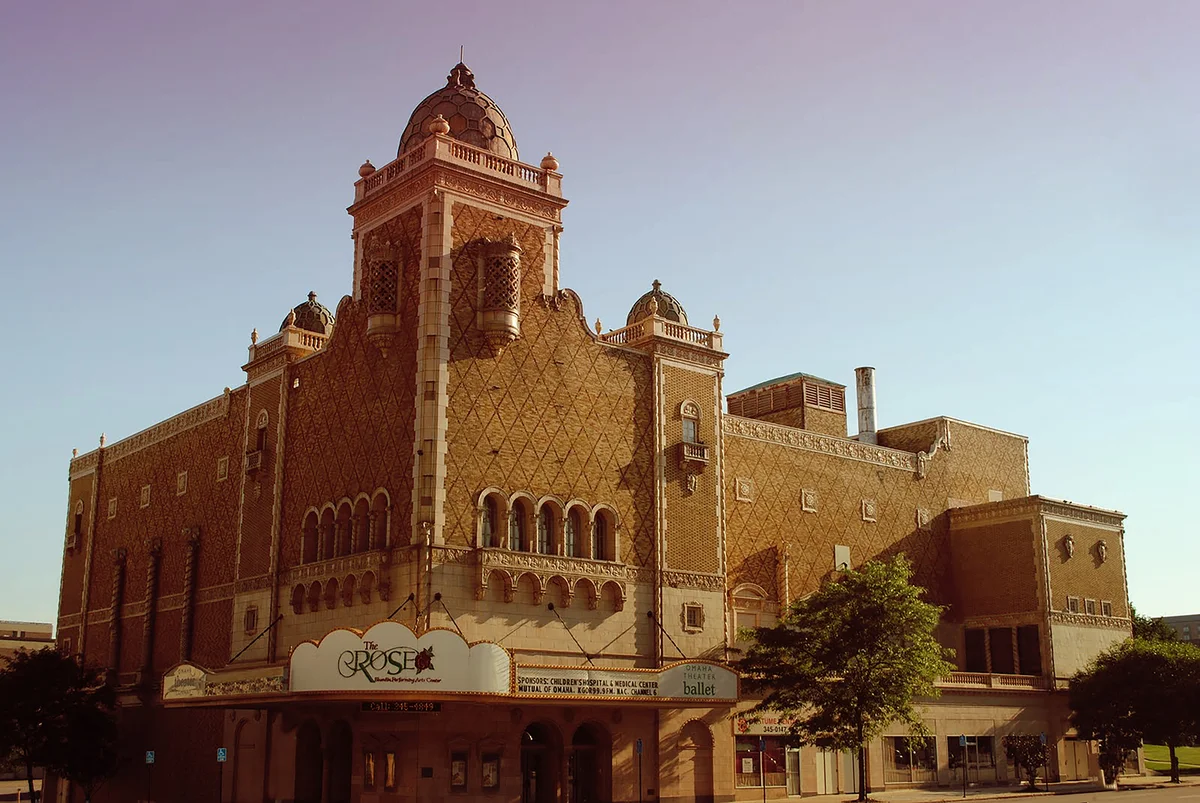
Impact of Climate on Historic Restoration in Tampa
Understanding how Tampa's subtropical climate—with its hurricanes, humidity, and intense sun—affects historic preservation and the specialized strategies required to protect irreplaceable landmarks.
Tampa's subtropical climate presents unique challenges for historic preservation that differ significantly from those faced in northern states. The combination of high humidity, intense ultraviolet radiation, salt air corrosion, frequent severe storms, and hurricane threats requires specialized restoration approaches that balance historical authenticity with climate resilience. Florida Construction Specialists has developed expertise in addressing these regional challenges while maintaining compliance with the Secretary of the Interior's Standards for the Treatment of Historic Properties. Florida Construction Specialists brings over four decades of commercial construction expertise to every project, backed by CBC license CBC1262722 and an in-house engineering team.
Historic landmarks throughout Tampa Bay—from the ornate Mediterranean Revival structures of Hyde Park to the industrial brick buildings of Ybor City's cigar district—face accelerated deterioration compared to similar structures in more temperate climates. Understanding these climate impacts and implementing appropriate mitigation strategies protects both cultural heritage and significant financial investments in historic properties.
Humidity and Moisture Management in Historic Buildings
Tampa's average relative humidity exceeds 75% for much of the year, creating persistent moisture challenges for historic buildings. This constant humidity promotes mold growth, wood rot, and corrosion of metal elements. Historic structures often lack modern vapor barriers and air conditioning systems, making moisture management a primary restoration concern.
The Italian Club in Ybor City exemplifies these challenges. Its historic ballroom features ornate plasterwork and decorative woodwork that require carefully controlled humidity levels. Restoration professionals must integrate modern HVAC systems while preserving the building's historic character—a balance required by Standard 9 of the Secretary of the Interior's Standards, which states that new additions should not destroy historic materials and should be differentiated from the historic fabric.
Effective moisture management strategies for Tampa's historic buildings include installation of dehumidification systems that maintain 45-55% interior humidity, improvement of drainage and grading to direct water away from foundations, restoration of historic gutter and downspout systems with appropriate materials, and creation of ventilation pathways that allow historic walls to breathe while controlling interior humidity.
Hurricane Resilience and Historic Preservation
Tampa Bay's location makes hurricane preparedness essential for all building owners, but historic properties face particular challenges. Modern building codes require wind resistance standards that historic materials and construction methods cannot meet. The Tampa Theatre, for example, must maintain its ornate atmospheric ceiling and decorative elements while withstanding potential Category 5 hurricane forces.
The Secretary of the Interior's Standards allow for installation of life-safety features when sensitively designed and installed. For historic buildings in Tampa's hurricane zone, this includes impact-resistant glazing systems that replicate historic window profiles, concealed structural reinforcement that strengthens without altering visible character, removable storm shutters designed to complement architectural style, and reinforced roof connections that protect historic roofing materials.
Federal and state historic tax credits support these improvements when properly documented. Projects utilizing the 20% federal tax credit and Florida's additional 25% state credit can allocate substantial portions of their budgets to climate resilience measures, provided the work maintains historical integrity and follows approved plans.
Salt Air Corrosion and Coastal Proximity
Tampa's proximity to Tampa Bay and the Gulf of Mexico exposes historic buildings to salt-laden air that accelerates corrosion of metal elements and deterioration of masonry. Historic iron railings, window hardware, structural steel, and decorative metalwork require specialized treatment in this corrosive environment.
Masonry materials also suffer from salt intrusion. When salt water penetrates brick, stone, or mortar, subsequent evaporation leaves salt crystals that expand and contract with moisture changes, causing spalling and deterioration. This process, called subflorescence, particularly threatens the historic brick structures of Ybor City's cigar factories, which were constructed with locally-produced brick that proves susceptible to salt damage.
Restoration strategies for salt air exposure include application of appropriate water-repellent treatments that allow vapor transmission, use of stainless steel or bronze fasteners in place of corroded originals (when replacement is necessary), implementation of sacrificial anode systems to protect structural steel, and regular washing programs to remove salt deposits before they penetrate materials.
Ultraviolet Radiation and Material Degradation
Tampa receives intense solar radiation year-round, with UV levels significantly higher than northern latitudes. This radiation degrades organic materials including wood, paint, fabric awnings, and roofing materials. Historic exterior woodwork in Hyde Park's residential district requires more frequent maintenance cycles than identical elements would need in northern states.
Paint systems fail faster under Tampa's intense sun, requiring restoration professionals to select formulations that balance historical appearance with enhanced UV resistance. Modern paint technologies can extend service life while matching historic colors documented through paint analysis. The Secretary of the Interior's Standards support use of improved materials when they maintain historical appearance and protect underlying historic fabric.
Climate-Related Restoration Costs in Tampa
| Climate Challenge | Typical Remediation | Cost per SF |
|---|---|---|
| Humidity/Moisture Control | HVAC integration, dehumidification | $15 - $35 |
| Hurricane Hardening | Window protection, structural reinforcement | $25 - $75 |
| Salt Damage Remediation | Masonry restoration, metal treatment | $20 - $60 |
| UV Protection Systems | Window films, exterior coatings | $8 - $25 |
| Termite/Pest Damage Repair | Wood replacement, treatment systems | $30 - $100 |
Termites and Biological Threats
Tampa's warm, humid climate creates ideal conditions for termites and other wood-destroying organisms. Subterranean termites, drywood termites, and wood-rot fungi threaten the structural integrity of historic buildings throughout the region. Many historic structures in Ybor City and Hyde Park contain significant wood elements—framing, flooring, decorative trim, and structural members—that require protection.
Restoration of termite-damaged historic buildings requires careful assessment to determine which materials can be repaired and which require replacement. The Secretary of the Interior's Standards prioritize repair over replacement (Standard 6), so restoration professionals must evaluate whether consolidation treatments, Dutchman repairs, or other conservation techniques can preserve original fabric. When replacement becomes necessary, new materials should match the original in species, profile, and finish.
Climate Change Considerations
Long-term climate projections for Tampa indicate increasing temperatures, more intense storm events, and rising sea levels. Historic preservation planning must consider these trends when designing restoration approaches that will protect buildings for decades to come. Properties in flood-prone areas may require elevation or flood-proofing measures that challenge traditional preservation approaches.
The National Park Service has issued guidance on climate adaptation for historic properties, recognizing that preservation sometimes requires accepting changes to maintain overall building viability. For Tampa's historic resources, this may mean making difficult choices about flood barriers, building elevation, or strategic retreat for structures in the most vulnerable locations.
Integrated Climate Resilience Strategies
Effective historic preservation in Tampa requires integrated approaches that address multiple climate challenges simultaneously. A comprehensive restoration plan considers moisture management, wind resistance, salt protection, and biological threats as interconnected systems rather than isolated problems.
Florida Construction Specialists develops customized climate resilience strategies for each historic restoration project. Our team evaluates site-specific conditions, building construction, and owner objectives to create preservation plans that protect cultural heritage while acknowledging Tampa's environmental realities. This integrated approach often reduces overall costs while improving long-term building performance.
Frequently Asked Questions
Can historic buildings in Tampa be made truly hurricane-resistant?
While no building is completely hurricane-proof, historic structures can be significantly strengthened through code-compliant techniques that preserve historical character. Concealed reinforcement, impact-resistant glazing that replicates historic profiles, and improved roof connections can bring historic buildings closer to modern wind resistance standards.
Will installing air conditioning damage historic buildings?
Properly designed HVAC systems actually protect historic buildings by controlling humidity and reducing moisture-related deterioration. The key is selecting equipment and distribution systems that minimize impact on historic fabric while providing appropriate climate control. Ductless mini-split systems and concealed ductwork often work well in historic contexts.
Do historic tax credits cover climate resilience improvements?
Yes, qualified rehabilitation expenditures for federal and state historic tax credits can include work that improves building resilience when the work conforms to the Secretary of the Interior's Standards. Hurricane protection, moisture management systems, and structural reinforcement typically qualify when properly designed and documented.
How often should historic buildings in Tampa receive maintenance?
Tampa's climate demands more frequent maintenance than temperate regions. Exterior paint may require renewal every 5-7 years versus 10-15 years in northern states. Annual inspections for moisture intrusion, pest activity, and storm damage should be standard practice. Proactive maintenance costs significantly less than deferred repairs.
What's the biggest climate threat to Tampa's historic buildings?
While hurricanes receive the most attention, chronic moisture-related deterioration actually causes more cumulative damage to Tampa's historic buildings. The combination of high humidity, frequent rain, and inadequate historic ventilation systems creates conditions for wood rot, mold growth, and masonry deterioration that gradually undermines building integrity.
Expert Climate-Aware Historic Restoration
Florida Construction Specialists understands the unique challenges that Tampa's climate presents for historic preservation. Our restoration teams combine traditional craftsmanship with modern building science to create solutions that protect historic buildings against environmental threats while maintaining their cultural significance and tax credit eligibility.
From the iconic Tampa Theatre to the historic cigar factories of Ybor City, our climate-informed approach has successfully preserved Tampa's architectural heritage for future generations. Contact us today to discuss how we can help protect your historic property against Tampa's challenging environment.
Explore Our Historic Restoration Services
Ready to Start Your Commercial Project?
Contact Florida Construction Specialists for expert commercial construction services across Tampa Bay. From design-build to tenant improvements, our team delivers quality results on time and on budget.