Storm Damage Reconstruction in Tampa
After a storm, what gets documented in the first week determines what can be rebuilt in the following year. Florida Construction Specialists assesses the damage properly, defines the scope, and rebuilds to current code.
The Rebuild Is Decided Before It Starts
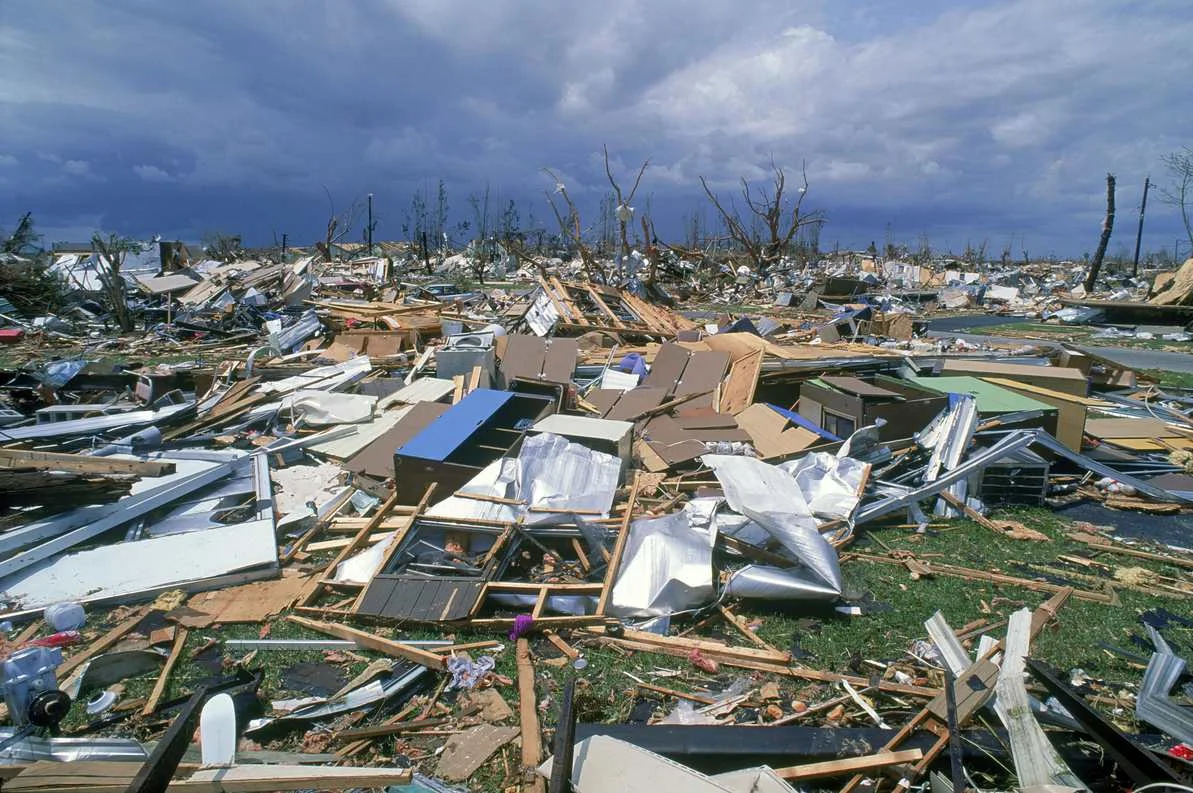
Storm work is unlike ordinary construction in one decisive way: the project has to be documented before it can be scoped, and the window for documenting it is short. Damage that is obvious on day one becomes ambiguous once emergency work has been done, debris has been cleared, and the building has dried out. Concealed damage, such as water that traveled inside a wall assembly or a joint that opened under wind pressure, is harder to establish with every week that passes.
That is why our first step after a storm is assessment and documentation rather than mobilization. What the building looked like, what failed, where water reached, and what the rebuild will be required to do under current code. The scope, the schedule, and the conversation with an adjuster all depend on that record being complete.
Storm and insurance work is one of several disciplines Florida Construction Specialists brings to Tampa Bay property owners; the full range is on our commercial construction and restoration homepage.
Document First, Then Rebuild
Storm reconstruction for commercial, condominium, and multi-family properties
What Matters in the First Week
Owners and boards are making decisions under pressure in the days after a storm, usually while the building is still partly unusable. The sequence at right is what protects both the building and the record. None of it is complicated; almost all of it is easier now than later.
The one thing worth stating plainly: photograph everything before it is cleaned up or moved. Evidence of what a storm did is remarkably easy to erase while trying to be helpful.
Discuss Your BuildingAfter-Storm Sequence:
- ImmediatelyMake the building safe and weather-secure
- ImmediatelyPhotograph damage before anything is moved or cleaned
- ImmediatelyNotify the insurer and record the date of loss
- First weekHave the envelope assessed by a contractor, not only by eye
- First weekDocument concealed damage before repairs begin
- First weekKeep records of emergency work and expenses
- Before scopingEstablish what the building code will require on the rebuild
- Before scopingWatch the filing deadline for the peril involved
Our Insurance & Storm Reconstruction Services
Two related disciplines. One is defined by the claim, the other by the storm.
Insurance Restoration Construction
This is construction delivered alongside an active insurance claim, on any covered peril rather than storms alone. It means a scope built to match documented damage, drawings where the rebuild requires them, records kept in a form an adjuster can evaluate, and construction sequenced around approvals rather than blocked by them. We work as your contractor and coordinate with your adjuster; we do not act as your claims representative. See our insurance restoration construction.
Hurricane and Storm Damage Reconstruction
This is the rebuild itself after wind, wind-driven rain, or flood damage: envelope and openings, roof-to-wall transitions, structural repair, and the interior work that follows once the building is dry and secure. Because it is new work on an existing structure, it is built to current Florida code rather than to the standard the building was originally constructed under. On coastal properties that frequently means a materially stronger building than the one the storm hit. See our hurricane and storm damage reconstruction.
The Florida Context Owners Should Know
Florida's insurance market has been shaped by hurricane exposure and by reforms enacted between 2022 and 2024. Citizens Property Insurance operates as the insurer of last resort. Florida homeowners typically carry a separate wind or hurricane deductible set as a percentage of dwelling coverage, commonly two to five percent, rather than the flat deductible that applies to other perils. Check how your own policy structures its wind deductible before deciding what is worth claiming, because on a large building it changes the answer.
Timing is set in statute. Florida allows one year from the date of loss to file a hurricane claim, and two years for other perils under the revised rules. The 2019 Assignment of Benefits reform also limited the assignments contractors were once able to take from policyholders, which is why the contractor and the claims side of a project are now normally separate roles rather than one.
None of this is legal or insurance advice, and your carrier and adjuster remain the authority on your policy. It is context we give owners and boards because the decisions they make in the first week are usually made without it.
Florida Statute 627.70132
Notice of windstorm or hurricane claim
Florida sets a one-year window from the date of loss to file a hurricane claim, with a two-year window for other perils under the revised rules. Documented assessment establishes cause and date of loss while the evidence is still available.
Why Tampa Bay Buildings Take Storm Damage
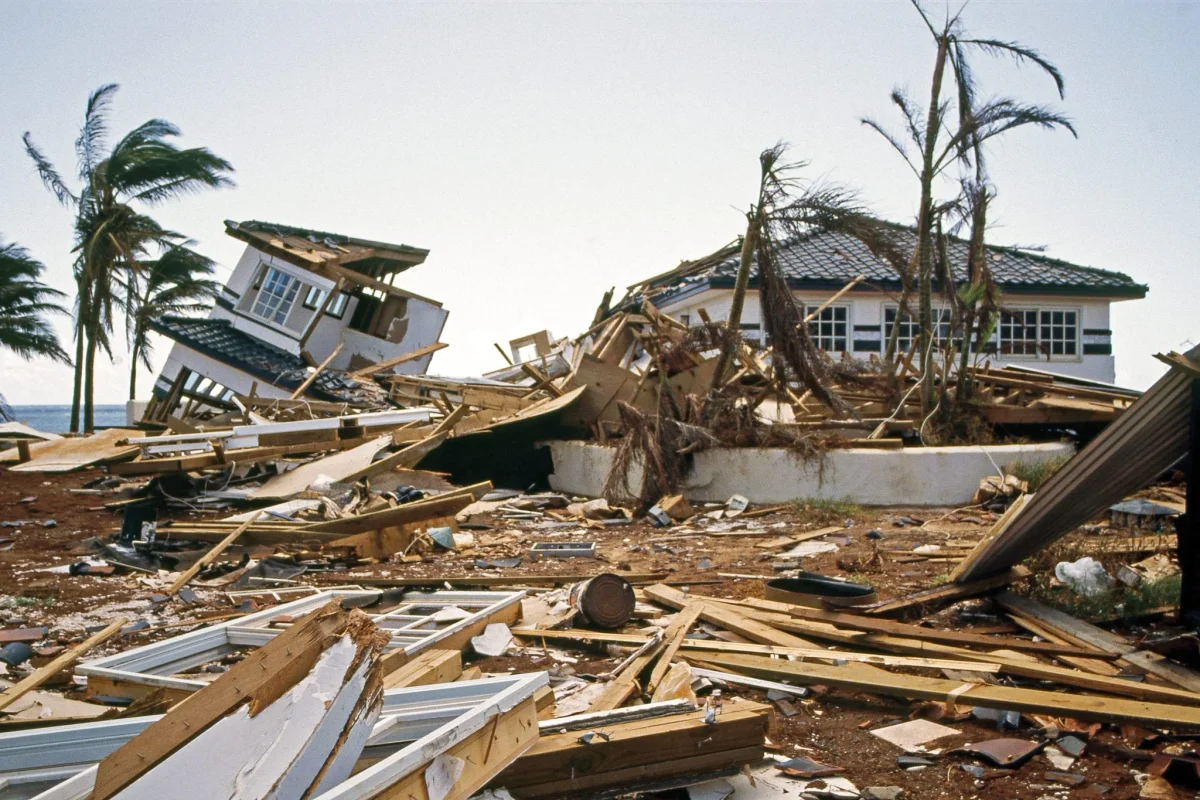
The region sits in hurricane alley and typically sees two to three tropical systems in a season, with the strong storm season running June through November. Hurricane Ian in 2022 and Hurricane Idalia in 2023 both produced damage across Tampa Bay on buildings owners had believed were sound, and much of that damage was not the dramatic kind. Wind-driven rain forces water horizontally and upward into joints, thresholds, and openings that shed ordinary rainfall without difficulty, and the damage it does happens inside the wall.
Summer relative humidity averaging around 75 percent means an assembly that took on water during a storm does not simply dry out afterwards. That is the mechanism behind most of the deterioration we are called to rebuild a year or two after an event, and the reason a documented assessment immediately after a storm is worth more than an inspection later.
Florida Building Code, 2023 revision
Wind-borne debris regions
Florida's 2023 revision mandates impact-resistant glazing in wind-borne debris regions and raises structural standards for coastal construction. Storm rebuilds involving openings are therefore wind-resistance work, and have to be integrated with wall waterproofing and flashing rather than replaced like for like.
How a Storm Project Runs
Secure
Make the building safe and weather-tight, with emergency work documented as it is performed.
Document
Full damage assessment including concealed damage, photographed and recorded against date of loss.
Scope
A defined rebuild scope with code requirements identified and details drawn in house.
Rebuild
Construction to current code, phased around occupancy, with close-out documentation and warranty.
Why Tampa Bay Owners Choose FCS After a Storm
Florida Construction Specialists is always the prime contractor, never a subcontractor. One accountable party assesses the damage, defines the scope, and rebuilds.
Prime Contractor
Direct accountability from the first assessment through the finished rebuild.
Documentation
Damage recorded in a form an adjuster and a board can both evaluate.
Concealed Damage
Envelope experience means we look where wind-driven water actually goes.
Since 1982
44 years rebuilding after Florida storms, under license CBC1262722.
Storm Reconstruction Service Areas
Florida Construction Specialists rebuilds storm-damaged buildings throughout Tampa and the wider Tampa Bay region, including St. Petersburg, Clearwater, Brandon, Lakeland, Sarasota, Bradenton, and Ruskin, where our office is located. Our work concentrates on commercial, condominium, and multi-family properties across Hillsborough County and the Central Tampa Bay corridor.
Insurance and Storm Reconstruction FAQs
Restoration returns a damaged building to its prior condition, repairing what the storm broke and replacing what it destroyed. Reconstruction rebuilds elements that no longer exist or that cannot be repaired, and does so to today's code rather than to the code the building was originally built under. Most substantial Tampa Bay storm projects involve both. The line between them matters financially, because the code-required portion of a rebuild is treated differently from a like-for-like repair.
Sooner than most owners expect, and the constraint is legal rather than practical. Florida sets a one-year filing window from the date of loss for hurricane claims under Florida Statute 627.70132, with a two-year window for other perils under the revised rules. Concealed damage is also easiest to document while it is fresh. The mistake that hurts owners most is waiting to see whether an apparently minor problem gets worse, then finding both the evidence and the filing window gone.
We provide the construction side of it: documented damage assessment, a defined scope of work, drawings where the rebuild requires them, and the record an adjuster needs to evaluate what is actually there. We are your contractor, not your claims representative, and we coordinate with your adjuster and your carrier rather than acting in their place. Florida's 2019 Assignment of Benefits reform limited the assignments contractors could once take from policyholders, which makes clean separation between the two roles the normal arrangement now.
Because rebuilding is new work on an existing structure, and Florida's requirements have moved substantially. The 2023 code revision raised structural standards for coastal construction and mandates impact-resistant glazing in wind-borne debris regions. A building damaged in a storm frequently cannot be put back exactly as it was, and identifying that at the assessment stage rather than at inspection is what keeps a rebuild from stalling halfway through.
Yes. Multi-family storm work involves board authorization, owner communication, unit access, and phasing that keeps residents in place while the building is rebuilt around them. We provide documentation suitable for board presentation and coordinate directly with property managers and building engineers. Condominium, HOA, and multi-family work is a core part of what Florida Construction Specialists does.
Sequence and evidence. An ordinary project starts from a design; a storm project starts from a damaged building that has to be documented before it is touched, made safe before it is scoped, and rebuilt while an insurance process runs alongside the construction. Florida Construction Specialists holds Certified Building Contractor license CBC1262722, has worked in this market since 1982, and is always the prime contractor, never a subcontractor, so one party carries the assessment, the scope, and the rebuild.
Get the Damage Documented Properly
Request a storm damage assessment from Florida Construction Specialists. We record what actually failed, including what is behind the wall, and scope the rebuild from evidence.
Our Services in Tampa
Insurance & Storm Reconstruction in Other Cities
Related Reading
Hurricane & Insurance Restoration Contractor in Tampa (Davis Islands)
Storm damage on Davis Islands? Here's how the insurance-restoration process works in Tampa — filing windows, deductibles, and who rebuilds after the adjuster.
3 min readWhat Is a Disaster Recovery Construction Company? Tampa Bay Guide
A disaster recovery construction company rebuilds storm-damaged structures and manages the insurance claim process. Here's what to expect in Tampa Bay.
4 min readBalcony Inspection and Reconstruction in Tampa: A Condo Board's Guide
Tampa balconies fail from the inside out — chloride intrusion, rusting rebar, failed membranes. Here's what an inspection finds and what reconstruction involves.
4 min readWhat to Know About Florida Stucco Repair Services
Full-service Florida stucco repair covers more than patching: system diagnosis, moisture testing, storm-damage assessment, and full recoat systems explained.
5 min read