Water & Flood Damage Restoration
Water damage gets worse every hour. FCS responds rapidly with commercial-grade extraction and drying equipment—preventing mold, minimizing secondary damage, and restoring your property to pre-loss condition.
Understanding Water Damage Categories
Not all water damage is equal. Treatment protocols depend on contamination level.
Clean Water
Source: Supply lines, appliances, rainwater
Treatment: Extraction and drying; contents usually salvageable
Gray Water
Source: Dishwashers, washing machines, some HVAC
Treatment: Extraction, antimicrobial treatment, selective demolition
Black Water
Source: Sewage, flooding, storm surge
Treatment: Full demolition below flood line, remediation, reconstruction
Complete Water Restoration Services
From emergency extraction to final reconstruction—we handle every phase of water damage restoration.
Emergency Water Extraction
Truck-mounted and portable extraction equipment removes standing water quickly—before it causes secondary damage.
Structural Drying
Industrial dehumidifiers, air movers, and injectidry systems dry walls, floors, and structural components to dry standard.
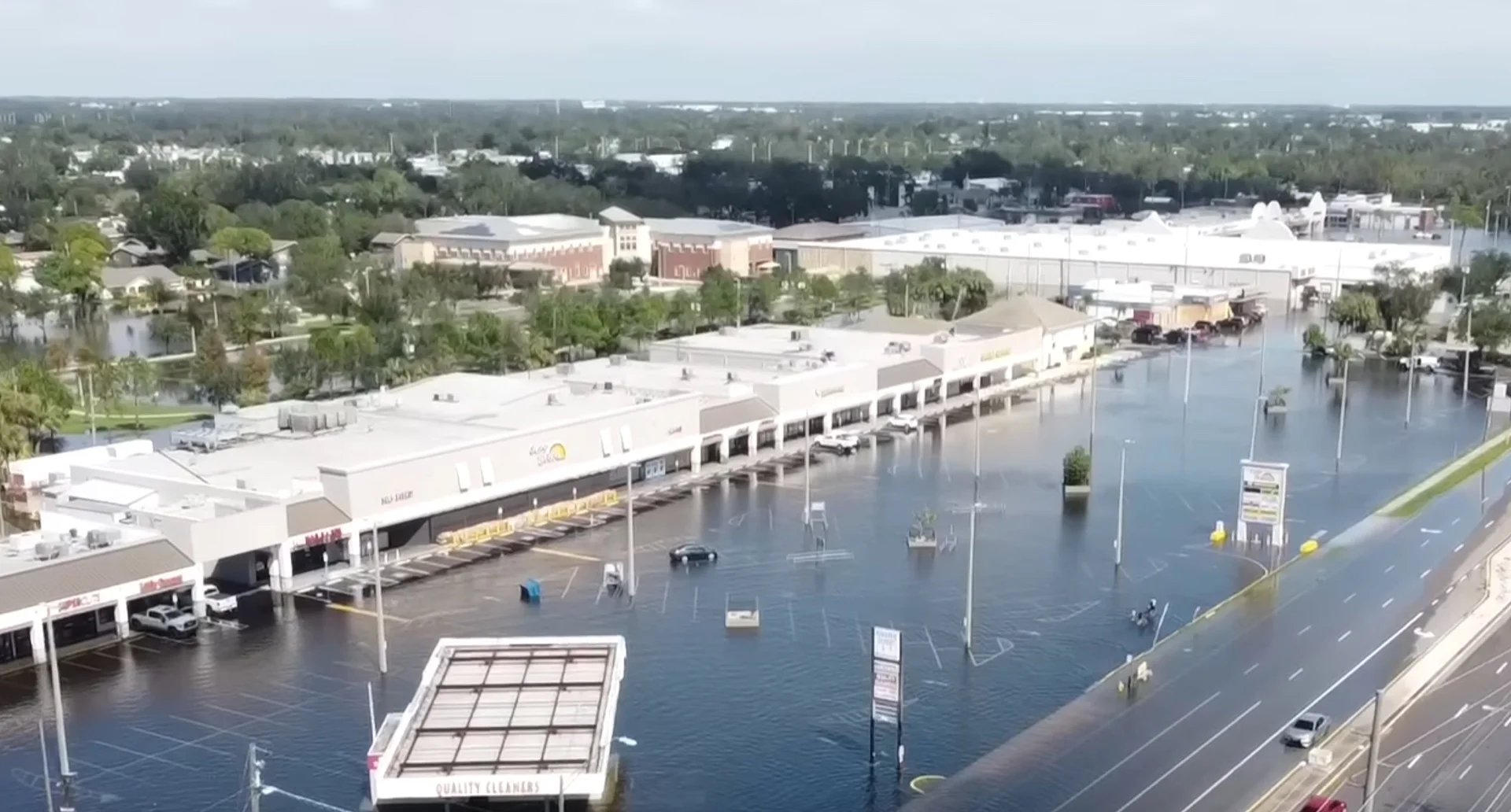
Flood Restoration
Complete flood damage restoration including Category 3 (black water) contamination remediation and reconstruction.
Storm Water Damage
Restoration from hurricane flooding, roof leaks, wind-driven rain intrusion, and storm surge damage.
Mold Prevention
Antimicrobial treatment, controlled demolition, and proper drying protocols prevent mold colonization.
Insurance Coordination
Xactimate estimates, adjuster meetings, supplemental claims, and documentation for fair settlements.
Our Water Restoration Process
Proper water restoration follows scientific protocols—not shortcuts. Each phase is documented with moisture readings and photos, creating the evidence trail your insurance claim needs.
Moisture Assessment
Thermal imaging and moisture meters identify hidden moisture in walls, floors, ceilings.
Controlled Demolition
Remove irreparably damaged materials—wet drywall, saturated insulation, failed flooring.
Industrial Drying
Dehumidifiers and air movers run until moisture readings reach dry standard (not just 'feels dry').
Reconstruction
Rebuild with quality materials—drywall, flooring, trim, paint, and finishes restored.
Final Documentation
Moisture readings, photos, and completion documentation for your insurance file.
Time Is Critical
Tampa Bay Water Damage Restoration Experts
Water damage is one of the most common—and most underestimated—property losses. What starts as a burst pipe or roof leak quickly becomes a complex restoration project if not addressed immediately and properly. Hidden moisture in wall cavities, under flooring, and within structural components creates conditions for mold, rot, and ongoing deterioration that can take months to fully manifest.
Florida Construction Specialists has been restoring water-damaged properties throughout Tampa Bay since 1982. We understand the unique challenges of Florida's humid climate—where moisture never really wants to leave—and deploy the industrial drying capacity needed for thorough restoration.
Why Proper Drying Matters
"Looks dry" and "is dry" are very different things. Wood and drywall can appear dry on the surface while retaining dangerous moisture levels internally. Without proper drying to documented dry standard— verified with moisture meters, not just touch—you're setting up for mold problems, structural issues, and warranty failures.
Our drying protocol uses psychrometric calculations to determine exactly how much dehumidification capacity is needed for each situation. We don't guess—we calculate, deploy, monitor, and document until proper dry standard is achieved.
Commercial Water Damage
Commercial properties present unique water damage challenges: larger affected areas, complex HVAC systems, specialized flooring, and business interruption concerns. We routinely handle $500,000 to $5 million commercial water losses from roof leaks, plumbing failures, and sprinkler system malfunctions. In multi-floor commercial buildings, water migrates through elevator shafts, stairwells, and interstitial spaces—requiring floor-by-floor assessment and simultaneous drying on every affected level. Condominium buildings present a particular challenge: a single pipe burst can produce cascading water damage affecting 10 to 50+ units from one source, with restoration costs regularly exceeding $1 million when multiple units, common areas, and building systems are involved.
FCS maintains the equipment inventory and trained workforce to handle large commercial losses. We've restored flooded hotels, office buildings, shopping centers, and industrial facilities—deploying dozens of dehumidifiers and air movers simultaneously to achieve rapid dry-out while you focus on business continuity. Our dedicated engineering partners provide structural assessments when water damage compromises load-bearing elements, and direct access to licensed structural engineers means we can evaluate affected framing, concrete, and steel without delays.
The 24-48 Hour Mold Prevention Window
What makes water damage fundamentally different from hurricane wind damage or fire damage is the biological clock. Mold spores are omnipresent in Florida's humid air—they only need moisture and time to colonize. Within 24 to 48 hours of water exposure, what was a straightforward water loss becomes a mold remediation project with dramatically expanded scope and cost. This critical timeline drives every decision we make: rapid extraction, aggressive drying capacity deployment, and antimicrobial treatment before colonization begins. FCS uses infrared thermography and moisture meters to map hidden water migration that adjusters and less-equipped contractors miss—moisture traveling through wall cavities, wicking up drywall, and pooling in interstitial spaces that appear dry on the surface.
Flood Insurance vs. Water Damage Insurance
An important distinction that catches many property owners off guard: standard property insurance and flood insurance are entirely separate policies with different adjusting processes. NFIP flood policies cover rising water from external sources (storm surge, overland flooding, river overflow), while standard property policies cover sudden internal water events (burst pipes, appliance failures, sprinkler discharge). Wind-driven rain falls into yet another category. When a hurricane produces both roof damage (wind policy) and ground-floor flooding (flood policy), two separate claims with two separate adjusters are required. FCS documents damage with enough specificity to support both claim types and coordinates with multiple carriers when losses span policy boundaries.
When water damage results from third-party negligence—an upstairs tenant's overflowing bathtub, a contractor's severed water line, or a defective appliance—our detailed documentation supports subrogation recovery. Thorough moisture mapping, daily drying logs, and Xactimate line-item estimates give your insurer or attorney the evidence needed to pursue responsible parties.
Insurance Claim Support
Water damage claims can be contentious. Carriers may dispute the source of water, question whether damage is sudden (covered) versus gradual (often excluded), or disagree on appropriate repair scope. Our documentation—moisture readings, thermal images, progress photos, and detailed Xactimate estimates— provides the evidence needed for fair claim resolution.
When water damage results from covered events (pipe bursts, appliance failures, storm damage), we help ensure your claim captures the full scope of damage, including hidden moisture and necessary demolition. For flood damage requiring separate flood insurance, we coordinate with both policies when applicable.
IICRC S500 — Standard for Professional Water Damage Restoration
All water damage restoration follows IICRC S500 standards, which classify water damage into three categories based on contamination level and define specific restoration protocols for each. Category 1 (clean water) allows drying in place; Category 2 (gray water) requires removal of affected porous materials; Category 3 (black water) demands aggressive controlled demolition and antimicrobial treatment. FCS follows these standards on every water loss project.
Water Restoration Projects


Frequently Asked Questions
Frequently Asked Questions
We restore all categories of water damage: Category 1 (clean water from supply lines, appliances), Category 2 (gray water from dishwashers, washing machines, some HVAC), and Category 3 (black water from sewage, flooding, storm surge). Treatment protocols vary by contamination level—clean water requires extraction and drying, while contaminated water requires additional demolition, antimicrobial treatment, and specialized disposal.
Immediately—every hour matters. Mold can begin colonizing within 24-48 hours of moisture exposure. Secondary damage (warping, swelling, delamination) begins within hours. Insurance companies expect prompt mitigation; delays can affect claim outcomes. We provide storm response to begin extraction and drying as quickly as possible, minimizing overall damage and restoration costs.
Yes—storm-related flooding is a specialty. Important note: standard property insurance typically excludes flood damage. You need separate flood insurance (NFIP or private) for storm surge, rising water, or overland flooding. Wind-driven rain damage IS usually covered under standard policies. We work with both policy types and help coordinate when multiple coverages apply to the same loss.
Our comprehensive process: 1) storm response and standing water extraction using truck-mounted and portable extraction equipment, 2) Moisture mapping using thermal imaging and moisture meters to identify hidden moisture, 3) Controlled demolition of irreparably damaged materials, 4) Industrial drying with dehumidifiers, air movers, and HEPA filtration, 5) Antimicrobial treatment and mold prevention, 6) Daily moisture monitoring until reaching dry standard, 7) Structural repairs and reconstruction, 8) Final testing and documentation.
We deploy commercial-grade restoration equipment: truck-mounted water extractors for large volumes, portable extractors for access-limited areas, LGR (low-grain refrigerant) dehumidifiers, axial and centrifugal air movers for evaporation, HEPA air scrubbers for air quality, injectidry systems for wall cavity drying, hardwood floor drying systems, and thermal imaging cameras and moisture meters for monitoring. Our equipment inventory handles anything from a single-room water heater failure to multi-story commercial floods.
Mold prevention is built into every restoration: rapid water extraction limits moisture exposure, industrial drying reaches proper dry standard (not just 'feels dry'), antimicrobial treatments inhibit mold growth, controlled demolition removes materials that can't be adequately dried, HEPA filtration maintains air quality, and daily moisture monitoring confirms drying progress. If mold has already established, we provide full remediation services following IICRC S520 protocols.
Coverage depends on the water source and your policy: Sudden and accidental discharge (burst pipes, appliance failures) is typically covered. Flood damage requires separate flood insurance. Gradual leaks may be excluded if attributed to maintenance failure. Sewage backup requires specific endorsement on many policies. We document damage thoroughly to support your claim and help identify all applicable coverages.
Hidden damage is common—water travels through wall cavities, under flooring, and into structural components. When we discover additional damage, we: document it with photos and moisture readings, notify you and your adjuster immediately, prepare a supplemental claim with detailed scope, and continue restoration to prevent further damage while the supplement is processed. Our estimates are detailed enough that supplements are processed efficiently.
Yes—we work with all property insurers including national carriers, regional companies, and surplus lines. Our Xactimate estimates use industry-standard line items and pricing that adjusters recognize. We meet with adjusters on-site, respond to their questions promptly, and provide documentation in formats they prefer. Our goal is efficient claims processing so restoration isn't delayed.
We serve Tampa Bay and surrounding areas including Hillsborough County (Tampa, Brandon, Plant City), Pinellas County (St. Petersburg, Clearwater), Pasco County, Manatee County (Bradenton), and Sarasota County. For large commercial losses, we deploy throughout Florida. Our focus on substantial restoration projects ($500,000+) allows us to respond quickly with full resources.
Water Damage Won't Wait—Neither Should You
Every hour of delay means more damage, higher costs, and greater mold risk. Contact FCS now for prompt water damage response.