Post-Disaster Health and Safety Inspections in Tampa
Professional inspection services to assess building safety after hurricanes, floods, and storms. Protect occupants, document damage for insurance claims, and plan effective repairs.
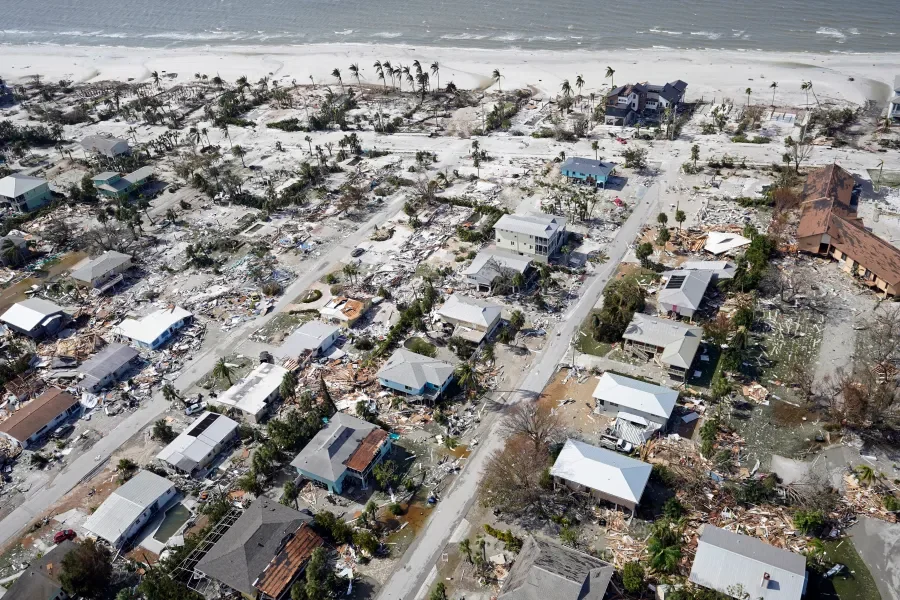
After hurricanes, floods, or other disasters strike Tampa Bay, the immediate priority is determining whether buildings are safe to occupy. Post-disaster health and safety inspections identify structural damage, electrical hazards, water intrusion, mold risks, and other conditions that threaten occupant health and safety. Florida Construction Specialists provides comprehensive inspection services that document damage for insurance claims while ensuring informed decisions about occupancy and repairs.
Do Not Enter Potentially Unsafe Buildings
Disaster-damaged buildings may have hidden hazards including structural instability, electrical dangers, gas leaks, and contaminated water. Never assume a building is safe based on exterior appearance. If you observe obvious damage, lean, or structural distortion, stay out until professional assessment confirms safety. When in doubt, don't enter.
Types of Post-Disaster Inspections
Different disaster types and building conditions require different inspection approaches. Our services include:
Rapid Safety Assessment
Initial evaluation to determine immediate occupancy safety:
- Exterior structural assessment
- Obvious hazard identification
- Utility status evaluation
- Posted placard (Green/Yellow/Red)
Comprehensive Inspection
Detailed assessment for insurance and repair planning:
- Full structural evaluation
- All building systems assessment
- Moisture and mold evaluation
- Detailed documentation and photos
Inspection Components
Structural Safety Assessment
Evaluates building stability and structural integrity:
- • Foundation condition and settlement
- • Wall integrity and connections
- • Roof structure and covering
- • Floor system condition
- • Column and beam damage
- • Building lean or displacement
- • Connection failures
- • Load path continuity
Florida Building Code Reference: FBC Chapter 33 addresses safety during construction and repair; structural adequacy evaluated against design loads in FBC Chapter 16.
Electrical System Inspection
Identifies electrical hazards that can cause fire or electrocution:
- • Service entrance and meter condition
- • Panel integrity and water intrusion
- • Wiring damage or exposure
- • Ground fault protection function
- • Outlet and switch damage
- • Light fixture water exposure
- • Generator connections
- • Overall system safety
Code Reference: National Electrical Code (NFPA 70) and Florida Building Code Chapter 27 govern electrical safety requirements.
Water Intrusion and Mold Assessment
Evaluates moisture damage and mold risk—critical in Florida's humid climate:
- • Visible water damage mapping
- • Moisture meter readings
- • Thermal imaging for hidden moisture
- • Water intrusion pathways
- • Visible mold identification
- • Conditions conducive to mold growth
- • Air quality concerns
- • Remediation scope assessment
Florida Requirement: Mold assessment requires a licensed mold assessor per Florida Statute 468.84. We coordinate with licensed assessors for mold concerns.
Common Post-Disaster Health Hazards
| Hazard | Health Risk | Inspection Focus |
|---|---|---|
| Mold Growth | Respiratory illness, allergic reactions, toxic exposure | Moisture assessment, visible mold, air quality |
| Contaminated Water | Gastrointestinal illness, infection, chemical exposure | Flood water extent, sewage backup, well contamination |
| Electrical Hazards | Electrocution, fire | System damage, water intrusion in electrical |
| Structural Instability | Collapse, falling debris | Structural damage, compromised elements |
| Gas Leaks | Explosion, asphyxiation | Gas line integrity, appliance connections |
| Asbestos Disturbance | Lung disease, cancer (long-term) | Damaged materials in pre-1980 buildings |
Building Placard System
After major disasters, building officials and inspectors may post placards indicating building status. Understanding these ratings helps occupants and emergency responders:
Green - Inspected
Building appears safe for occupancy. No obvious structural hazards observed. Normal occupancy permitted. May have minor damage not affecting safety.
Yellow - Restricted Use
Building has damage limiting its use. Specific restrictions noted on placard. Limited entry may be permitted. Further evaluation needed before full occupancy.
Red - Unsafe
Building is unsafe to enter or occupy. Significant structural damage, collapse risk, or other serious hazards. Entry prohibited except for prompt access with proper precautions.
Our Inspection Process
Initial Contact and Scheduling
Contact us with basic information about the property and damage situation. We'll assess urgency and schedule appropriate inspection services. Emergency assessments can often be scheduled within 24-48 hours post-disaster.
Pre-Entry Safety Check
Before entering, inspectors verify utilities are properly controlled, no obvious structural collapse risks exist, and appropriate personal protective equipment is used. If conditions are unsafe, alternative assessment methods are used.
Systematic Inspection
Thorough inspection of all accessible areas using standardized assessment protocols. Documentation includes extensive photography, measurements, observations, and instrument readings (moisture meters, thermal imaging as applicable).
Specialist Coordination
If specialized assessment is needed (structural engineering, licensed mold assessment, electrical evaluation), we coordinate with qualified professionals. Reports are consolidated into comprehensive documentation.
Reporting and Recommendations
Written inspection report details all findings, includes photographic documentation, identifies hazards requiring immediate attention, and provides recommendations for repairs. Reports are formatted to support insurance claims.
Post-Disaster Inspection Costs
| Service | Typical Range | Includes |
|---|---|---|
| Rapid Safety Assessment | $300 - $800 | Exterior/limited interior, occupancy determination |
| Comprehensive Inspection (Residential) | $500 - $1,500 | All systems, detailed report with photos |
| Comprehensive Inspection (Commercial) | $1,500 - $5,000+ | Size-dependent, all systems, detailed documentation |
| Structural Engineering Evaluation | $2,000 - $15,000 | PE-stamped structural assessment |
| Licensed Mold Assessment | $500 - $2,000 | Visual, sampling, lab analysis, remediation protocol |
*Costs vary based on building size, damage extent, and required specialists. Inspection costs are typically recoverable as part of insurance claims. Contact us for specific estimates.
Frequently Asked Questions
What is included in a post-disaster health and safety inspection?
Comprehensive inspection covers structural assessment (foundation, walls, roof, connections), electrical systems (panels, wiring, outlets, grounding), plumbing and gas systems, HVAC assessment, mold and water intrusion evaluation, hazardous materials assessment, and air quality concerns. Results include documentation suitable for insurance claims, occupancy determinations, and repair planning. Inspectors identify both immediate hazards and conditions requiring monitoring or repair.
How soon after a disaster should a building be inspected?
Initial safety assessment should occur as soon as safely accessible—often within 24-48 hours post-disaster. However, don't enter buildings that may be structurally compromised. Emergency responders may conduct rapid external assessments first. Comprehensive inspection follows once immediate hazards are controlled. For hurricane damage, inspection typically begins once storm conditions pass and roads are accessible. Delaying inspection risks missing time-sensitive damage like hidden water intrusion.
Who is qualified to perform post-disaster inspections in Florida?
Different components require different qualifications. Structural assessment requires licensed Professional Engineers (PE) or architects. Electrical inspection requires licensed electricians or electrical engineers. Mold assessment requires licensed mold assessors in Florida. General contractors can coordinate overall assessment and identify items requiring specialist review. Florida Construction Specialists works with qualified professionals in each discipline.
What are the most common health hazards after hurricanes in Tampa?
Common post-hurricane health hazards include mold growth (can begin within 24-48 hours of water intrusion), contaminated floodwater containing sewage and chemicals, carbon monoxide from generators and equipment, exposed or damaged electrical systems, compromised structural elements, debris and sharp objects, standing water breeding mosquitoes, and heat exposure during cleanup. Professional inspection identifies these hazards and recommends appropriate remediation.
How do post-disaster inspections support insurance claims?
Thorough inspection documentation provides objective evidence of damage extent and causation—critical for insurance claims. Professional reports carry more weight than owner observations. Photos, measurements, and expert opinions support claim amounts. Inspection reports also identify hidden damage that initial adjusters might miss. We recommend inspection before making temporary repairs to ensure all damage is documented. Our reports are formatted to support claim submissions.
Need Post-Disaster Inspection?
Florida Construction Specialists provides comprehensive post-disaster health and safety inspections throughout Tampa Bay. Our expert team documents damage, identifies hazards, and provides the information you need for safe occupancy decisions and successful insurance claims.
Related Disaster Recovery Services
Tampa Bay Post-Disaster Experts
Contact Florida Construction Specialists for professional post-disaster inspection and recovery services throughout Tampa Bay.