Stucco Crack Repair in Tampa: When Hairlines Become Structural Problems
Tampa's salt air, 75% summer humidity, and hurricane season turn minor stucco cracks into major failures. Learn when a hairline crack is a structural warning sign.
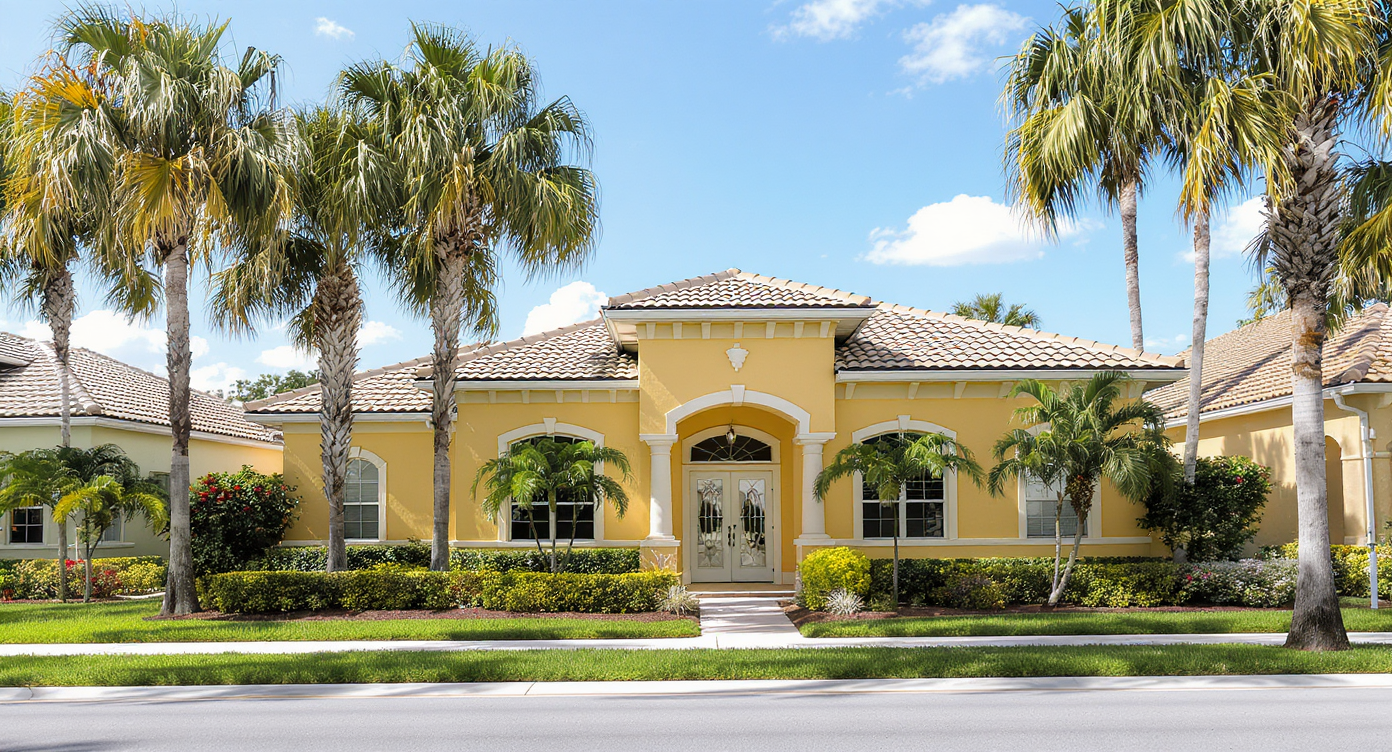
Stucco crack repair in Tampa is a different discipline than it is anywhere else in the country. In a city where summer humidity averages 75 percent, salt air drifts inland from Tampa Bay, and hurricane season runs June through November, even a hairline crack in the finish coat creates an entry point for moisture that the local climate will exploit aggressively. The question is not just how wide the crack is — it is what caused it, where it sits on the wall, and whether Tampa's specific environmental conditions have already made it worse than it looks.
How Tampa's Coastal Environment Changes the Crack Equation
Stucco cracking in Tampa Bay is not the same problem as stucco cracking in Phoenix or Denver. The mechanism here involves moisture and salt chemistry operating simultaneously on every layer of the wall assembly.
Traditional three-coat stucco — the system found on most pre-1990 homes in Tampa neighborhoods like Hyde Park, Ybor City, and Seminole Heights — is reinforced with metal lath embedded in the base coat. That metal lath is the structural backbone of the stucco system. In coastal conditions, airborne chlorides from Gulf air penetrate the stucco matrix and accelerate corrosion of the embedded metal. As rust forms, iron oxide expands to roughly three times the volume of the original metal and fractures the surrounding stucco from the inside. The exterior surface can look intact — perhaps just a few hairline cracks — while a hollow cavity has formed behind it.
Tap the wall with your knuckle. A solid thud means the stucco is still bonded to its substrate. A dull, drum-like resonance means it has separated. In coastal Tampa Bay, that delamination is often the first structural stage of a failure that starts invisibly.
Shrinkage Cracks vs. Settlement Cracks: What Each Tells You
Not all cracks signal the same problem, and misreading them leads to repairs that fail within a season.
Shrinkage cracks form as stucco cures and as the wall assembly cycles through temperature changes. Tampa exteriors bake in intense direct sun through the summer and cool sharply overnight — that thermal cycling stresses a rigid cementitious finish every day. Shrinkage cracks are typically fine, less than 1/16 inch wide, and follow no particular directional pattern. They do not necessarily mean the base coat or substrate has failed. Left sealed and painted, a true shrinkage crack stays stable for years.
Settlement cracks are a different diagnosis. They run diagonally — most often at 45 degrees from the corners of windows and doors — because those are the stress concentration points where differential movement in the structure shows up first. A settlement crack that you can feel as a raised edge or step when you run a finger across it means the two sides of the crack have moved in different planes, not just separated. That is structural movement, not surface curing. Patching it without addressing the cause is a temporary cosmetic fix, not a repair.
The distinction matters most in Tampa Bay because the humid subtropical climate accelerates what happens after a crack forms. A settlement crack that opens in spring will be channeling wind-driven rain into the wall cavity by August.
Post-Storm Crack Identification in Tampa
Hurricane Ian in 2022 and Hurricane Idalia in 2023 both affected Hillsborough County and left a long tail of stucco damage — some of it obvious, much of it hidden behind intact-looking finish coats. After any named storm, a systematic exterior survey is worth doing before the next rain event.
Wind-driven rain at storm pressure does not behave like ordinary vertical rain. It enters cracks horizontally, at positive pressure, pushing moisture through gaps that would drain harmlessly in calm conditions. A crack that appeared sealed before a storm may have had its sealant bond broken by racking forces during peak winds — the exterior may look the same while the substrate behind it is now wet.
Post-storm crack indicators that warrant a licensed contractor assessment:
- New diagonal cracks that appeared within weeks of a named storm, especially at window corners or building corners where wind loads concentrate
- Existing hairline cracks that have widened, shifted, or developed a visible step across them since the storm
- Staining or efflorescence (white mineral deposits) weeping from cracks — a sign that water is actively moving through the wall system
- Any crack on a building face that received direct wind exposure during the storm, particularly the south and southwest faces that face prevailing storm tracks in Tampa Bay
- Soft spots or sponginess in the stucco surface near a crack, which suggests the moisture has reached the substrate
Florida Construction Specialists has held license CBC1262722 since 1982 and has assessed and repaired stucco damage across Tampa, Hillsborough County, and the broader Tampa Bay region through multiple storm seasons. We always serve as the prime contractor — no subcontracting — which means the licensed engineer who assesses your damage is the same firm executing the repair.
When to File an Insurance Claim Before Calling for Repairs
If stucco damage was caused or worsened by a named storm, the order of operations matters. Under Florida Statute 627.70132, you have one year from the date of loss to file a hurricane claim and two years for other perils. Repairs made without a documented contractor assessment — photographs, written scope, and a licensed assessment report — can complicate or void a claim after the fact.
Document everything before starting work. Your wind/hurricane deductible in Florida is a separate line item from your standard all-perils deductible, typically two to five percent of your dwelling coverage. That amount can be significant on older Tampa homes, where a full stucco assessment and restoration on a historic exterior is not a small scope of work.
Our disaster recovery services include post-storm structural assessment and documented scope preparation that supports the insurance claims process — not just the physical repair.
Tampa-Specific Warning Signs in Older Neighborhoods
Hyde Park, Ybor City, and Seminole Heights present a specific complication: many of these homes were built with three-coat Portland cement stucco over wood-frame walls with galvanized wire lath, in some cases 80 or more years ago. The original galvanized coating on that lath has long since degraded. In Tampa Bay's salt-air environment, the bare steel underneath corrodes steadily, and because the original installation predates modern moisture barrier requirements, there is often no secondary drainage plane behind the stucco.
On these homes, a crack that looks hairline at the surface can be the visible expression of decades of lath corrosion and substrate deterioration behind it. The repair scope on a historic Tampa exterior frequently involves removing the full stucco system in the affected area, replacing corroded lath and deteriorated sheathing, installing a code-compliant moisture barrier per the 2023 Florida Building Code Chapter 25, and re-plastering in layers compatible with the original system. That is not a patch job — it is a restoration. Our historic restoration work addresses exactly this scope.
Have stucco cracks you want professionally assessed before the next storm season? Call Florida Construction Specialists at (813) 420-7561 or visit our stucco repair service page to schedule an inspection. We serve Tampa, Hillsborough County, and the broader Tampa Bay region.
Frequently Asked Questions
How does Tampa's climate make stucco cracks worse than in other regions?
Tampa Bay's combination of 75 percent summer humidity, salt air off the Gulf, and two to three tropical systems per season creates conditions that turn minor stucco cracks into active water-intrusion pathways far faster than in dry or inland climates. Salt particles corrode the metal lath embedded inside traditional stucco, causing rust expansion that fractures the stucco from within — a process that is invisible on the surface until the damage is extensive.
What does a stucco crack look like after a hurricane vs. normal weathering?
Post-hurricane cracks often appear at stress concentrations — window corners, control joint terminations, and building corners — because wind-load racking forces these points. Normal weathering cracks tend to be diffuse: fine map cracking over large surfaces or hairline crazing that follows no structural pattern. If new diagonal cracks appeared within weeks of a named storm, treat them as storm-induced until proven otherwise.
When does a hairline stucco crack become a structural concern in a Tampa home?
A hairline crack becomes a structural concern when it is diagonal (running 45 degrees from a window or door corner), when it has widened or shifted since you first noticed it, when you can feel a step or ledge across it with your finger, or when it appeared after a storm event. Any of these signals means the substrate behind the stucco has moved — not just the finish coat.
Does salt air really corrode the metal inside stucco walls?
Yes. In coastal Tampa Bay, airborne chlorides penetrate the stucco matrix and reach the galvanized or steel lath embedded in the base coat. As the metal oxidizes, rust expands — iron oxide occupies roughly three times the volume of the original metal — and fractures the stucco around it. The surface may look intact while a cavity has formed inside. Tapping the wall reveals the hollow zone before any exterior crack appears.
Can I file an insurance claim for stucco crack damage in Florida?
Potentially yes, if a named storm caused or worsened the damage. Florida Statute 627.70132 gives you one year from the date of loss to file a hurricane claim. Get a licensed contractor's written assessment before starting any repairs — undocumented work can complicate or void a claim. Your wind/hurricane deductible is a separate line item from your standard deductible, typically two to five percent of your dwelling coverage.
Ready to start your Tampa project?
Florida Construction Specialists is Tampa Bay's premier general contractor for large-scale commercial, residential, and restoration projects. Call us for a no-pressure consultation.