Commercial Construction Tampa | Risk & ROI Focus
Large-scale commercial projects from $500K to $25M+. Medical facilities, multi-family developments, industrial construction, and disaster recovery with 40+ experience.
$500K - $25M+
Project Range
40+
Years Experience
300+
Projects Completed
In-House
Engineering & Design
Tampa Bay's Premier Commercial General Contractor
For over four decades, Florida Construction Specialists has served as Tampa Bay's trusted partner for complex commercial construction projects. Unlike residential contractors who occasionally take on commercial work, FCS was built from the ground up to handle the unique demands of business-to-business construction—where risk mitigation, regulatory compliance, and return on investment drive every decision.
Our commercial division handles projects ranging from $500,000 tenant improvements to $25 million+ ground-up developments. This focused expertise means we understand that commercial construction isn't just about building structures—it's about enabling business operations, meeting strict compliance requirements, and delivering facilities that generate returns for property owners and investors.
What sets Florida Construction Specialists apart in the Tampa Bay commercial construction market is our comprehensive in-house capability. While most general contractors coordinate between multiple outside consultants, FCS maintains an in-house licensed engineer and architectural draftsman on staff. This integration allows us to identify constructability issues during pre-construction, respond rapidly to field conditions, and maintain tighter project control throughout the construction process.
Our project portfolio spans virtually every commercial sector: medical facilities requiring AHCA compliance and specialized clean room construction, multi-family residential developments from condominiums to apartment complexes, industrial facilities including tilt-wall construction and steel erection, and large-loss disaster recovery for commercial properties throughout Florida.
The commercial construction landscape in Florida presents unique challenges—from stringent building codes designed for hurricane resistance to complex regulatory requirements across multiple agencies. FCS has built lasting relationships with building departments throughout Tampa Bay, streamlining permit approvals and inspections. Our familiarity with agencies including AHCA, the State Historic Preservation Office (SHPO), FEMA, and local municipalities allows us to navigate compliance requirements efficiently, avoiding costly delays that impact project timelines and budgets.
Whether you're a property developer breaking ground on a new multi-family community, a healthcare system expanding medical facilities, or a property manager facing major disaster recovery, Florida Construction Specialists brings the experience, resources, and accountability that commercial projects demand. We don't just build structures—we deliver completed projects that meet your operational requirements, compliance obligations, and investment objectives.
Commercial Construction Services
Specialized B2B construction services focused on risk mitigation, compliance, and return on investment
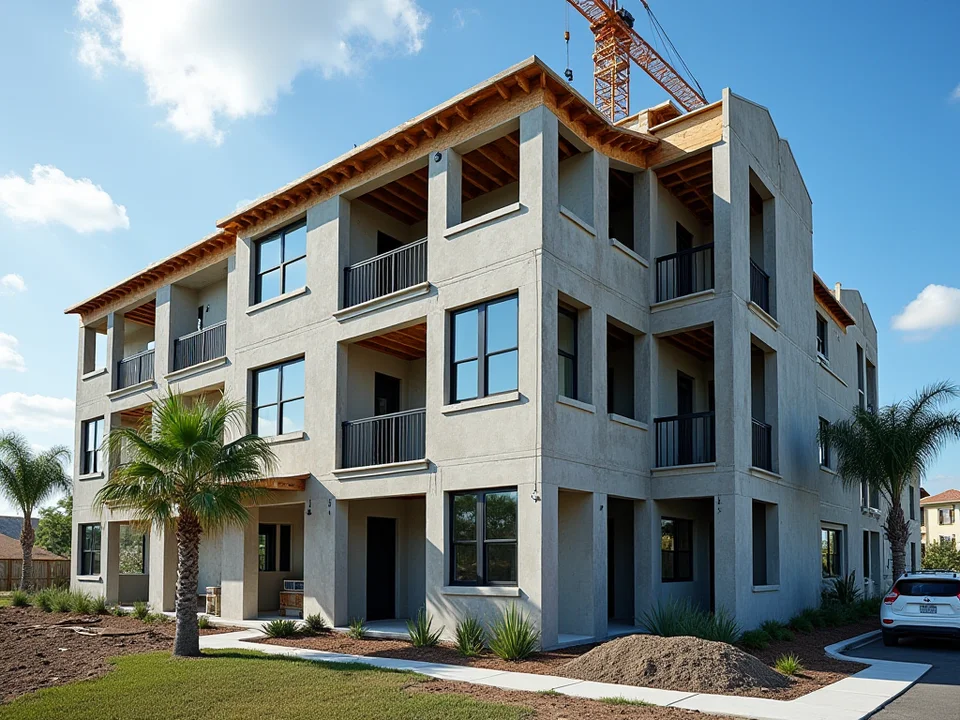
Multi-Family Construction
Condominiums, apartment complexes, and mixed-use residential developments
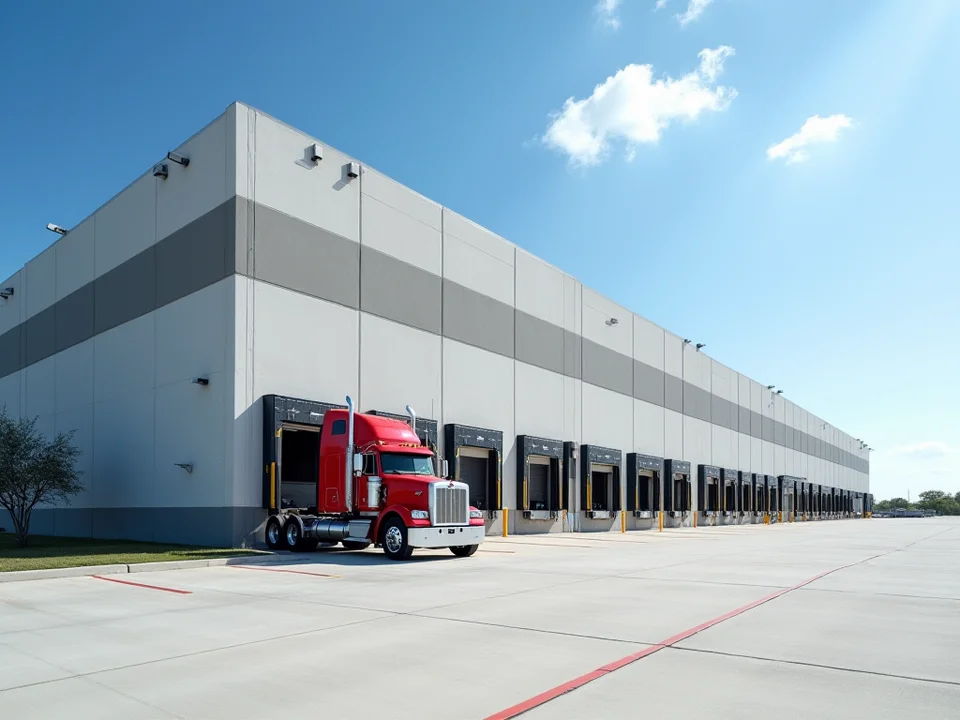
Industrial & Flex Space
Tilt-wall construction, steel erection, and warehouse facilities
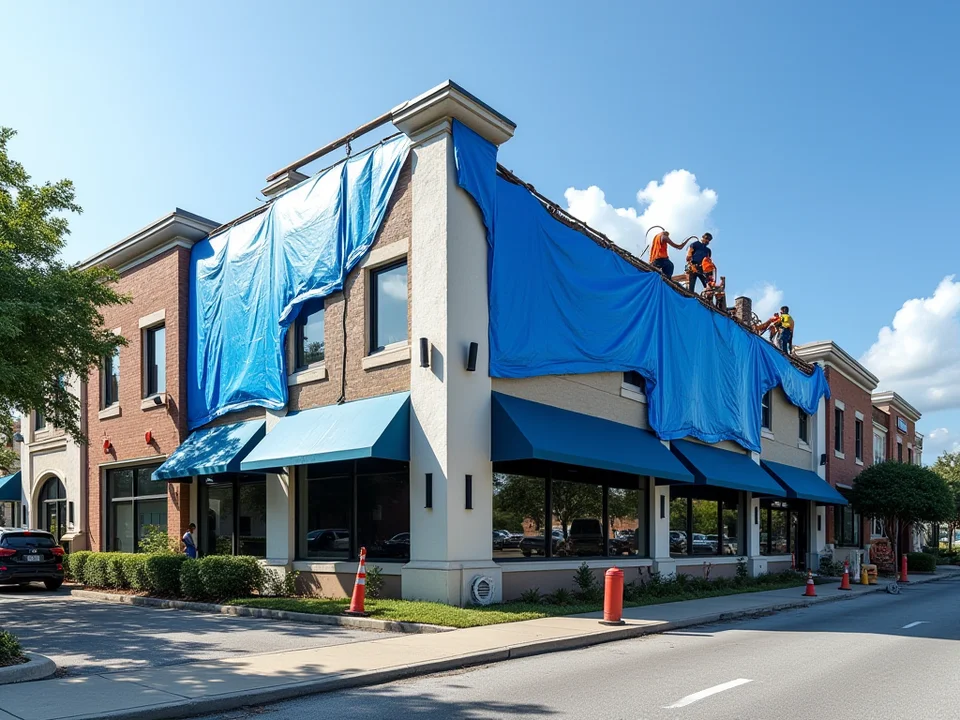
Disaster Recovery (B2B)
Large-loss insurance restoration for commercial and multi-family properties
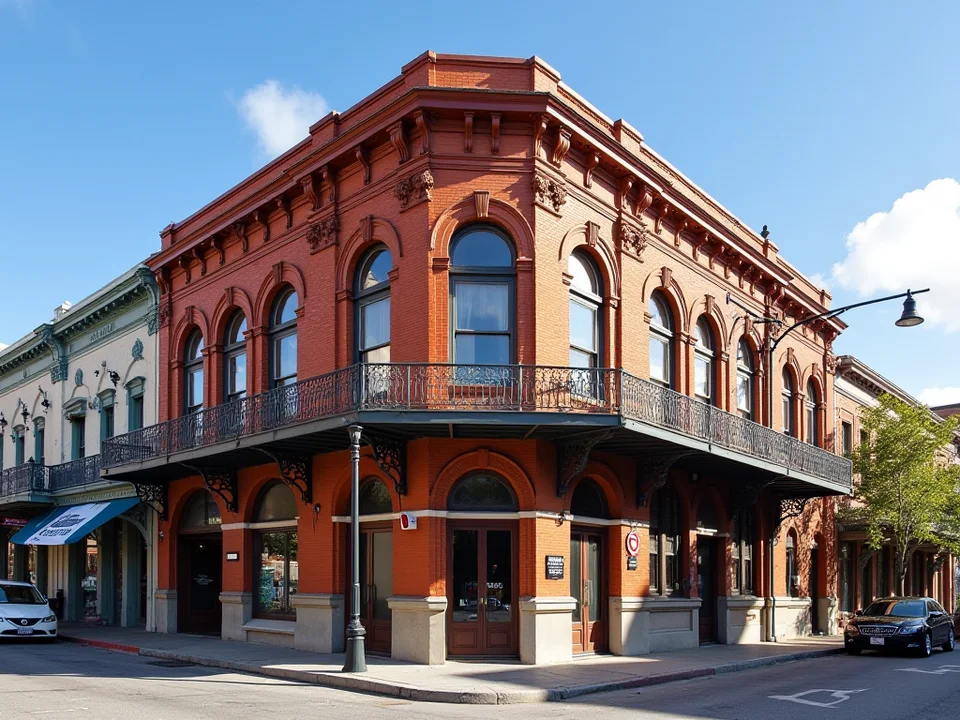
Historic Restoration (Comm)
Historic tax credits, SHPO compliance, and adaptive reuse projects
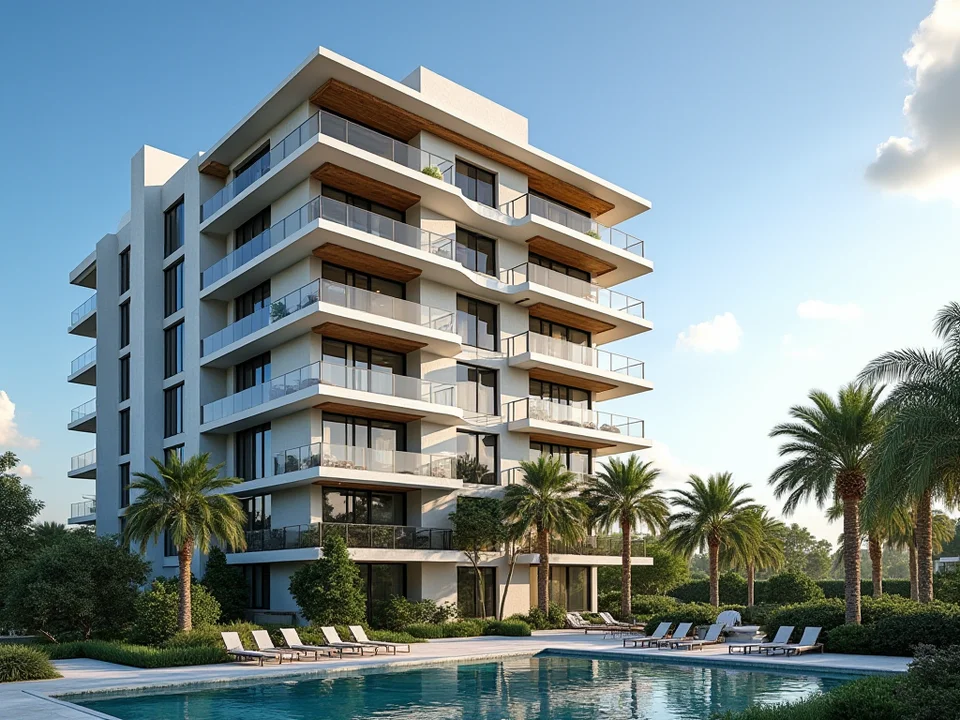
Condo Remediation & SB4-D
SB4-D compliance, milestone inspections, and SIRS structural assessments
CPM Scheduling
Critical path method scheduling to prevent delays and cost overruns
Why Commercial Clients Choose FCS
Risk management and ROI delivered through experienced project management
Our Commercial Advantage
Commercial property owners and developers face significant risks when selecting a general contractor. Project delays cascade into lost revenue, cost overruns erode investment returns, and compliance failures can halt operations entirely. Florida Construction Specialists has built our commercial practice specifically to address these risks through experienced project management, integrated capabilities, and direct accountability.
FCS always serves as the prime general contractor on our projects—we never subcontract the management of your project to another firm. This distinction matters enormously in commercial construction. As prime contractor, we maintain direct contractual relationships with property owners, complete control over project execution, and full accountability for results. You work directly with our project managers and leadership team, not through intermediaries who may have divided loyalties.
Our in-house engineering and architectural drafting capabilities represent a significant competitive advantage. Having a licensed engineer on staff means we can evaluate structural conditions, resolve field conflicts, and generate solutions without waiting for outside consultants. Our architectural draftsman produces shop drawings, as-built documentation, and permit sets in-house, maintaining schedule continuity that outside firms simply cannot match.
With 43 years of insurance restoration experience, FCS brings unmatched expertise to large-loss commercial claims. We understand the insurance process from initial damage assessment through final settlement, providing certified estimates that withstand adjuster scrutiny while advocating for complete property restoration. This expertise extends beyond disaster recovery—it informs how we document projects, manage change orders, and protect client interests throughout construction.
Regulatory compliance is woven into every project we undertake. Our team has navigated AHCA inspections for medical facilities, SHPO requirements for historic properties, FEMA regulations for flood zone construction, and building department reviews across every Tampa Bay jurisdiction. These established relationships and documented compliance history accelerate approvals and reduce the regulatory risk that delays commercial projects.
Finally, we employ Critical Path Method (CPM) scheduling on all commercial projects to prevent the delays that erode profitability. CPM identifies the sequence of activities that determine project duration, allowing us to focus resources on critical tasks, identify potential delays before they impact completion, and make informed decisions when schedule conflicts arise.
Featured Commercial Projects
A selection of completed projects demonstrating our capabilities across commercial sectors
Turner Agri-Center
Polk County, FL
Project Value
Complete rebuild of the Turner Agri-Civic Center after catastrophic damage from Hurricane Charley. This project included structural steel erection, full MEP systems, and specialized agricultural exhibition facilities serving the greater Polk County community.
Tiara Condominium Association
Tampa Bay Area
Project Value
Comprehensive balcony restoration and exterior waterproofing for this multi-building condominium complex. Scope included structural concrete repair, waterproof membrane installation, and building envelope restoration while maintaining resident occupancy.
Leon County Detention Center
Tallahassee, FL
Project Value
Water damage restoration for this critical government facility requiring specialized security protocols, phased construction to maintain operations, and compliance with state detention facility standards throughout the restoration process.
Bay Pines Veterans Hospital
Bay Pines, FL
Project Value
Historic restoration of this landmark federal facility honoring veterans. Project required strict federal compliance, coordination with VA facilities management, SHPO adherence for historic preservation, and specialized infection control during active hospital operations.
These projects represent just a portion of the 300+ commercial projects FCS has completed throughout Florida and the Southeast.
Discuss Your ProjectIndustries We Serve
Florida Construction Specialists brings sector-specific expertise to commercial construction across Tampa Bay. Each industry presents unique requirements—from regulatory compliance and specialized systems to operational constraints during construction. Our experience across these sectors means we understand your industry's specific challenges before breaking ground.
Multi-Family Residential
Condominiums, apartment complexes, senior living, and mixed-use developments
Industrial & Warehouse
Distribution centers, manufacturing facilities, flex space, and logistics buildings
Retail & Hospitality
Hotels, restaurants, retail centers, and entertainment venues
Educational Institutions
Schools, universities, training facilities, and campus buildings
Government & Municipal
Civic buildings, detention facilities, public works, and federal projects
No matter your industry, FCS approaches each project with the same commitment: understanding your operational requirements, navigating applicable regulations, and delivering a facility that serves your business objectives. Our cross-sector experience often reveals solutions and efficiencies that specialists within a single industry might miss.
Commercial Construction Insights
View AllCommercial Construction Portfolio
A selection of our commercial and multi-family construction projects across Tampa Bay


Commercial Construction FAQs
Answers to common questions about our commercial construction services, capabilities, and process
Florida Construction Specialists handles commercial construction projects ranging from $500,000 to over $50 million. We specialize in large-scale projects including office buildings, medical facilities, retail centers, hospitality venues, and educational institutions throughout the Tampa Bay area.
FCS always serves as the prime general contractor on our projects. We do not work as a subcontractor. As prime contractor, we maintain full project control, direct relationships with owners, and complete accountability for project delivery, quality, and timeline.
Yes, Florida Construction Specialists has a proven track record that allows us to easily access construction financing for commercial, residential, and historic preservation projects. We have heavy experience in capturing preservation and restoration grants, and can help navigate financing options for qualified projects.
Commercial project timelines vary based on scope and complexity. A typical tenant improvement might take 2-4 months, while ground-up commercial construction ranges from 8-18 months. We provide detailed schedules during pre-construction and maintain strict timeline adherence.
Yes, FCS offers full design-build services where we manage both design and construction under a single contract. This approach streamlines communication, reduces costs, and accelerates project delivery. We work with top architects and engineers to deliver turnkey solutions.
We construct a wide range of commercial facilities including office buildings, medical clinics and hospitals, retail centers, restaurants and hospitality venues, educational facilities, industrial and warehouse buildings, and mixed-use developments.
Absolutely. FCS manages all permitting, inspections, and regulatory compliance as part of our comprehensive general contracting services. We have established relationships with building departments throughout Tampa Bay, ensuring smooth permit approvals and inspection processes.
Ready to Discuss Your Commercial Project?
From $500K tenant improvements to $25M+ developments, Florida Construction Specialists has the experience and bonding capacity to deliver your project on time and on budget.