Balcony Safety Measures for Florida Properties
From structural inspections to railing requirements, learn how to ensure your balcony is safe, compliant, and properly maintained in Florida's challenging climate.
Balcony safety in Florida isn't just about common sense—it's increasingly a matter of law. Following the Surfside condominium collapse in 2021, Florida enacted Senate Bill 4-D (SB4-D), requiring milestone structural inspections for condominium and cooperative buildings. Balconies and elevated walkways are a primary focus of these inspections. Since 1982, Florida Construction Specialists has managed commercial projects from $500K to $25M+, bringing in-house engineering and decades of Florida building expertise to every engagement.
But beyond compliance, balcony safety is about protecting lives. Falls from balconies cause serious injuries and fatalities every year. Structural failures, while rare, can be catastrophic. And in Florida's humid, salt-air environment, balcony components deteriorate faster than in other climates.
This guide covers the essential safety measures every Florida property owner and condo association should implement, from structural integrity to child safety features.
Essential Balcony Safety Measures
Structural Integrity
The foundation of balcony safety is a sound structure
- Regular inspections by licensed engineers (required by SB4-D)
- Check for concrete spalling, cracking, or exposed rebar
- Verify connections between balcony and building structure
- Inspect support beams and load-bearing elements
- Monitor for signs of water damage or corrosion
- Address any deflection or unusual movement immediately
Railing & Guard Requirements
Railings prevent falls—Florida code specifies exact requirements
- Minimum 42" height for commercial/multi-family (36" for single-family)
- Maximum 4" spacing between balusters (prevents child entrapment)
- Must withstand 200 lbs of force at any point
- No climbable horizontal elements that could help children climb
- Secure anchoring into structural elements, not just surface-mounted
- Regular testing for loose connections or corrosion
Waterproofing & Drainage
Water is the primary enemy of balcony structures in Florida
- Proper slope (minimum 1/4" per foot) toward drains
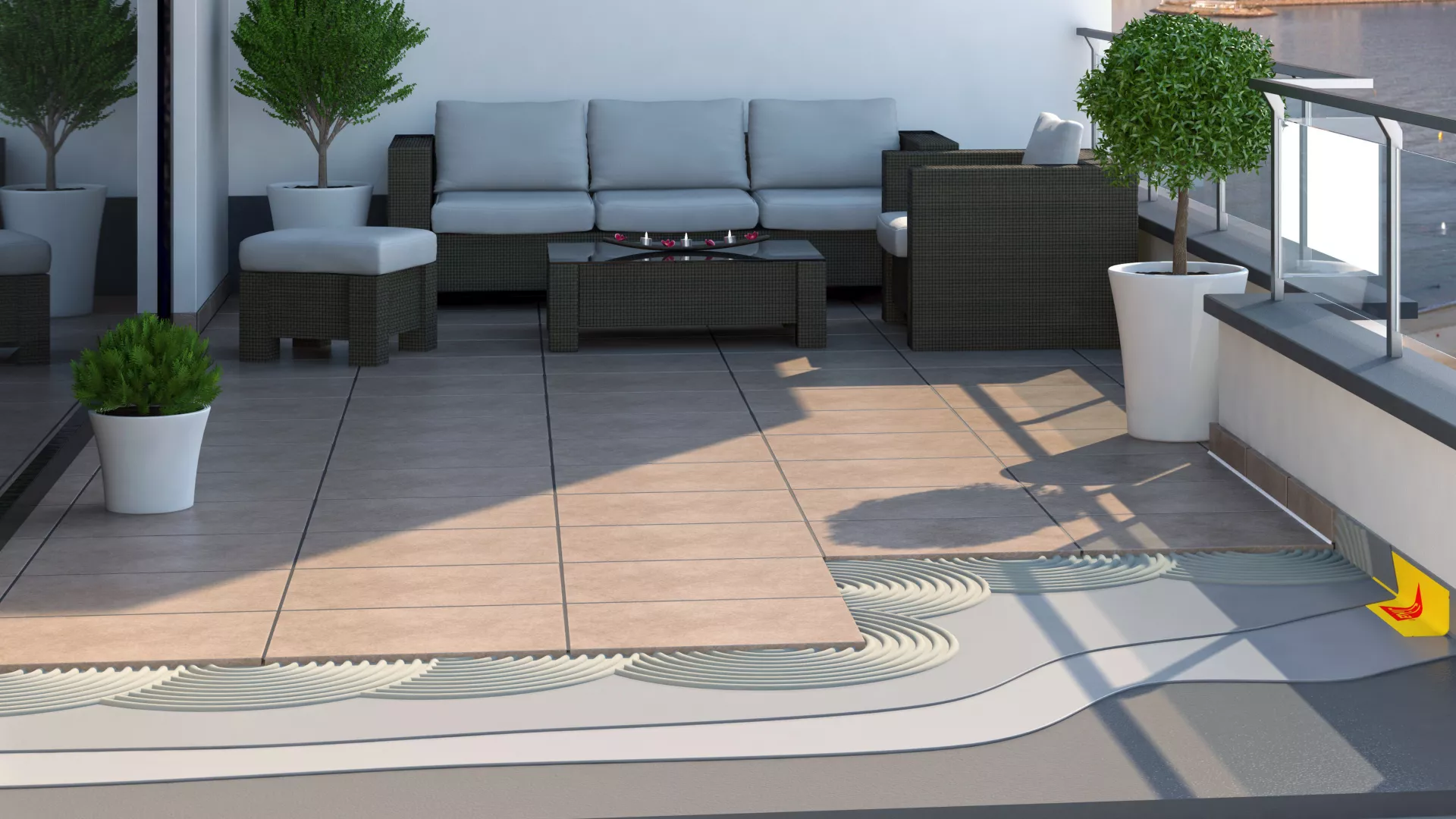
- Waterproof membrane covering entire balcony surface
- Sealed penetrations at railings and door thresholds
- Functional drains that don't clog or overflow
- Flashing at wall-to-balcony connections
- No ponding water after rain events
Child Safety Features
Additional precautions for families with young children
- Self-closing and self-latching doors to balcony
- Door locks or guards out of children's reach
- No furniture that children can climb to reach railings
- Mesh or plexiglass panels if railing design has gaps
- Remove items that could be used as stepping stools
- Consider additional safety gates for toddlers
Florida's SB4-D Requirements
Senate Bill 4-D requires condominium and cooperative associations to conduct milestone structural inspections, with particular attention to balconies and elevated structures.
When Inspections Are Required
- • Buildings 3+ stories: 30 years from CO (25 years within 3 miles of coast)
- • Follow-up inspections every 10 years thereafter
- • Must be performed by licensed engineer or architect
- • Phase 1 visual inspection; Phase 2 if problems found
What Inspectors Look For
- • Structural adequacy of balcony connections
- • Condition of reinforcing steel and concrete
- • Waterproofing and drainage effectiveness
- • Railing anchorage and condition
Warning Signs to Watch For
Don't wait for an inspection to identify problems. Property owners and residents should regularly check for these warning signs:
| Warning Sign | What It Means | Urgency |
|---|---|---|
| Rust stains on concrete | Indicates rebar corrosion inside the concrete—structural concern | High |
| Cracking or spalling concrete | Concrete is deteriorating, possibly from water or reinforcement corrosion | High |
| Wobbly or loose railings | Anchorage failure or corrosion at connections | High |
| Ponding water after rain | Drainage failure—water will eventually damage structure | Medium |
| Soft spots in walking surface | Possible substrate deterioration beneath tiles or coating | Medium |
| Staining on ceiling below balcony | Water is penetrating through the balcony structure | Medium |
| Visible deflection when loaded | Structural members may be failing | Critical |
Ongoing Maintenance for Balcony Safety
Monthly Checks
- Test railing stability by pushing firmly
- Clear drains of debris and leaves
- Check for new cracks or damage
- Ensure door locks and latches work properly
Annual Maintenance
- Professional inspection of structural elements
- Resealing of cracks and joints
- Touch-up of protective coatings
- Assessment of waterproofing condition
SB4-D Structural Inspection Requirements
Florida's SB4-D legislation, passed in response to the Champlain Towers South tragedy, establishes mandatory milestone structural inspection requirements for condominiums and cooperatives three stories or higher. This law specifically addresses balcony safety as a critical component of overall building integrity and resident protection.
Balcony inspections under SB4-D must be performed by a licensed architect or structural engineer with experience in building envelope systems and coastal construction. The inspection must assess structural elements, connections to the building, waterproofing systems, drainage components, and safety features like railings and barriers.
When substantial structural deterioration is identified during SB4-D inspections, associations have strict timelines for remediation. storm repairs addressing immediate safety hazards must begin within 30 days, while comprehensive restoration must be completed within specified timeframes based on the severity of deficiencies found.
Inspection Timeline
- Buildings ≥3 miles from coast: First inspection at 30 years
- Buildings <3 miles from coast: First inspection at 25 years
- Subsequent inspections every 10 years thereafter
- Phase 1: Visual inspection and reporting within 180 days
- Phase 2: Detailed assessment if deficiencies found
Required Documentation
- Licensed engineer/architect inspection report
- Photographic documentation of all deficiencies
- Prioritized repair recommendations with timelines
- Reserve study updates reflecting repair needs
- Remediation completion certifications
Environmental Safety Hazards for Florida Balconies
Florida's subtropical climate and coastal location create unique environmental challenges that significantly impact balcony safety. Understanding these hazards helps building owners and residents take proactive measures to maintain safe conditions and prevent deterioration.
Salt Air Corrosion
- • Accelerated rebar corrosion in concrete structures
- • Deterioration of metal railings and fasteners
- • Compromised structural connections over time
- • Requires specialized marine-grade materials
- • More frequent inspection and maintenance needed
Hurricane Exposure
- • Extreme wind loads exceeding design capacity
- • Impact from wind-borne debris
- • Water intrusion during storm events
- • Post-storm structural damage assessment
- • Enhanced anchoring requirements
UV Deterioration
- • Breakdown of protective coatings and sealants
- • Degradation of plastic and polymer components
- • Thermal cycling stress from daily heat expansion
- • Accelerated aging of waterproofing membranes
- • Regular recoating and protection required
Advanced Safety Monitoring Technologies
Modern balcony safety incorporates advanced monitoring technologies that provide early warning of structural issues, environmental hazards, and maintenance needs. These systems help building managers maintain optimal safety conditions while reducing long-term maintenance costs.
Structural Monitoring Systems
- Wireless strain gauges - Monitor structural stress and movement in real-time
- Crack monitoring sensors - Track crack growth and structural changes
- Corrosion monitoring - Early detection of rebar deterioration
- Load monitoring systems - Track weight distribution and capacity usage
Environmental Monitoring
- Moisture detection sensors - Monitor water intrusion and humidity levels
- Weather station integration - Track wind, rain, and temperature impacts
- Drainage monitoring - Detect clogs and overflow conditions
- Security integration - Access control and safety zone monitoring
storm response Procedures for Balcony Safety
When balcony safety issues are identified, prompt and appropriate response can prevent injuries and minimize property damage. Building managers and residents should be familiar with emergency procedures for various scenarios.
Immediate Safety Hazards
- • Immediately evacuate the balcony and restrict access
- • Contact licensed structural engineer for prompt assessment
- • Document conditions with photographs from safe location
- • Notify building management and insurance carrier
- • Install temporary barriers to prevent accidental access
- • Secure loose railings or restrict balcony access
- • Install temporary fall protection if feasible
- • Schedule immediate professional inspection
- • Document failure mode and contributing factors
Prevention Planning
- • Establish regular inspection schedules with documentation
- • Develop relationships with qualified engineers and contractors
- • Train building staff to recognize warning signs
- • Create resident education programs on safety practices
- • Maintain inspection reports and repair records
- • Track insurance claims and safety incidents
- • Document preventive maintenance activities
- • Keep warranty information for materials and work
Legal and Insurance Implications of Balcony Safety
Balcony safety carries significant legal and insurance implications for condominium associations, property managers, and individual owners. Understanding these responsibilities helps ensure appropriate coverage and risk management.
Legal Responsibilities
- Association Duties: Maintain common elements including balcony structures, railings, and waterproofing systems
- SB4-D Compliance: Meet mandatory inspection timelines and remediate identified deficiencies
- Building Code Compliance: Ensure all repairs meet current Florida Building Code requirements
- Documentation Requirements: Maintain detailed records of inspections, repairs, and safety measures
Insurance Considerations
- Liability Coverage: Adequate limits for injury claims related to balcony failures
- Property Coverage: Protection for structural damage and repair costs
- Maintenance Requirements: Policy compliance through regular inspections and upkeep
- Claims Management: Prompt reporting and documentation of safety incidents
Related Articles
Balcony Restoration & Waterproofing for Longevity
Protect your investment with restoration systems engineered for 20+ years of service.
Read MoreFlorida SB4-D Compliance Guide
Essential requirements for condo milestone inspections and structural integrity reserves.
Read MoreEffective Balcony Maintenance Tips
Proactive maintenance strategies to extend balcony lifespan and prevent costly repairs.
Read MoreCondo Balcony Inspection Requirements
Understanding inspection requirements under Florida's updated condo safety legislation.
Read MoreConcerned About Your Balcony's Safety?
Contact Florida Construction Specialists for expert commercial construction services across Tampa Bay. From design-build to tenant improvements, our team delivers quality results on time and on budget.