Expert Balcony Construction Guidelines for Optimal Results
Comprehensive construction guidelines for high-rise balconies meeting SB 4-D requirements and Florida Building Code specifications.
Balcony construction for high-rise condominiums and commercial buildings requires careful attention to structural engineering, waterproofing integration, and long-term durability. Unlike residential deck construction, commercial balcony projects must satisfy stringent building code requirements, accommodate extreme wind loads, and maintain structural integrity for decades despite Florida's aggressive coastal environment. Florida Construction Specialists brings deep expertise in high-rise balcony construction to every project throughout Tampa, St. Petersburg, Clearwater, Sarasota, and Lakeland. Florida Construction Specialists brings over four decades of commercial construction expertise to every project, backed by CBC license CBC1262722 and an in-house engineering team.
Following the implementation of Florida's SB 4-D legislation, balcony construction practices have evolved to emphasize durability, maintainability, and inspectability. Modern balcony designs anticipate the milestone inspections that will occur throughout the building's life, incorporating details that facilitate visual assessment and non-destructive testing of structural elements. This forward-thinking approach protects building owners from costly surprises during required inspections.
Structural Design Considerations
High-rise balcony structural design must address multiple loading conditions simultaneously. Dead loads include the self-weight of concrete slabs, railings, planters, and any fixed equipment. Live loads account for occupant use—minimum 60 pounds per square foot for residential balconies, potentially higher for common areas or assembly occupancies. Wind loads in Florida can be substantial, particularly for upper-floor balconies exposed to full wind speeds without shielding from adjacent structures.
The connection between the balcony and the main building structure represents the most critical design element. Cantilevered balconies must transfer moments into the building floor slab without causing distress to either element. Supported balconies require columns or cables that carry loads to the building frame through properly designed connections. Thermal expansion joints accommodate differential movement between balcony and building to prevent cracking and stress concentrations.
Florida's corrosive coastal environment demands special attention to reinforcing steel protection. Increased concrete cover (minimum 2 inches for weather-exposed surfaces), corrosion-inhibiting admixtures, and sometimes epoxy-coated or stainless steel reinforcing extend structural service life. These measures add initial cost but pay dividends through reduced maintenance requirements and longer intervals between major repairs.
SB 4-D Implications for New Construction
While Florida's SB 4-D legislation focuses primarily on inspection requirements for existing buildings, its provisions significantly influence new construction practices. Engineers now design with inspectability in mind, ensuring structural elements can be visually assessed and tested during future milestone inspections required at 25-year intervals (or 30 years for buildings more than 3 miles from the coast).
Documentation requirements under SB 4-D encourage comprehensive record-keeping during construction. Shop drawings, material certifications, concrete test reports, inspection records, and as-built documentation create a permanent record that supports future inspections and maintenance planning. This documentation also aids warranty enforcement and supports the Structural Integrity Reserve Studies (SIRS) that associations must now maintain.
The reserve funding requirements embedded in SB 4-D mean that new buildings should be designed for reasonable maintenance costs throughout their service life. Balcony systems that require expensive or disruptive maintenance will burden association budgets and potentially trigger special assessments. Thoughtful design invests in durability features that reduce long-term ownership costs.
Waterproofing Integration
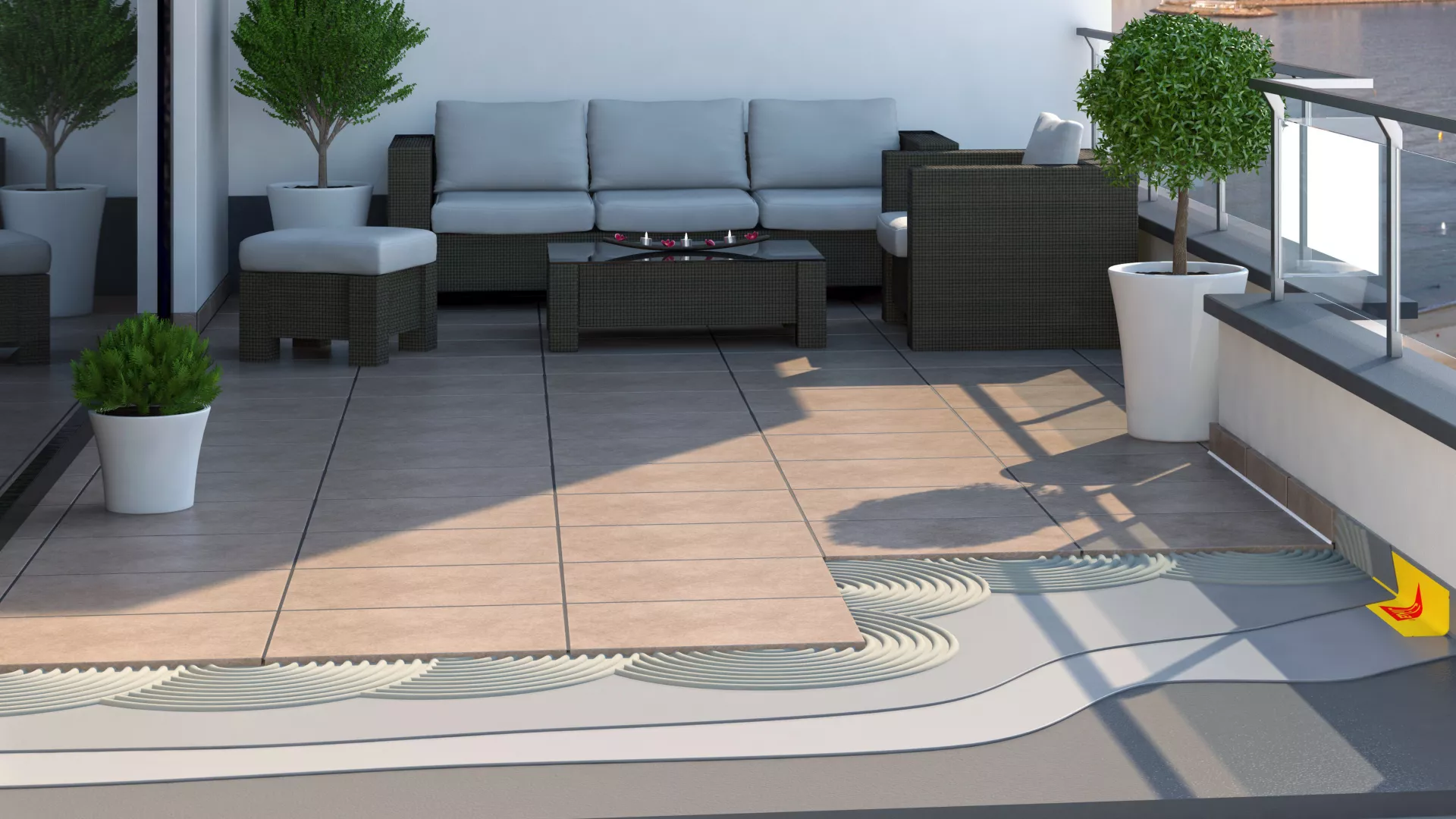
Effective balcony waterproofing requires integration at the design stage rather than application after construction. The structural slab must be detailed with proper slope toward drains, adequate thickness for waterproofing membrane attachment, and smooth surfaces that support membrane adhesion. Penetrations for railings, scuppers, and utilities must be coordinated with waterproofing details before concrete placement.
Modern balcony waterproofing employs multiple coordinated systems. The concrete itself may incorporate integral crystalline waterproofing that reacts with moisture to seal microcracks. Primary waterproofing membranes—typically fluid-applied polyurethane or reinforced sheet systems—provide the main water barrier. Traffic-bearing deck coatings protect the membrane while providing slip-resistant, UV-stable walking surfaces. Each layer serves a specific function in the overall system.
Critical details require special attention. Balcony-to-building transitions must maintain waterproofing continuity while accommodating differential movement. Door thresholds need elevated curbs and carefully detailed flashing. Railing post penetrations require sleeves, sealants, or other provisions that prevent water entry around anchors. Failure at any of these details can allow water intrusion that initiates structural deterioration.
Railing Systems and Safety Requirements
Balcony railings serve essential safety functions while contributing significantly to building aesthetics. Florida Building Code requires guardrails at least 42 inches high for residential occupancies, with openings no larger than 4 inches that prevent children from passing through. Structural requirements specify 200 pounds of concentrated load resistance at any point on the top rail, plus 50 pounds per linear foot distributed load.
Material selection for railings must consider both structural requirements and durability in Tampa Bay's coastal environment. Aluminum systems offer excellent corrosion resistance and design flexibility but require anodizing or powder coating for optimal appearance retention. Stainless steel provides superior strength but at higher cost. Glass panel systems offer unobstructed views but require tempered or laminated safety glazing with careful structural analysis.
Railing anchoring systems must transfer code-required loads to the balcony structure without creating water intrusion pathways. Surface-mounted posts require careful sealing around base plates. Core-mounted posts set into sleeves can provide better waterproofing performance but complicate future replacement. The anchoring detail selected affects both initial construction and long-term maintenance requirements.
Quality Control and Documentation
Quality control during balcony construction provides assurance of code compliance and long-term performance. Material testing programs verify that concrete achieves specified strength, reinforcing steel meets certification requirements, and waterproofing products are compatible with specified applications. Inspection protocols ensure reinforcing is properly placed before concrete pours, waterproofing membranes achieve specified thickness, and all details conform to approved drawings.
Special inspections required by Florida Building Code provide third-party verification of critical construction elements. Reinforcing steel placement, concrete placement, post-tensioning operations, and fire-rated assemblies typically require special inspection. These inspections create records that become part of the building's permanent documentation and support future SB 4-D milestone inspections.
Comprehensive construction documentation supports building operations throughout its service life. As-built drawings record actual construction versus design intent. Material submittals provide specifications for future matching. Warranty information establishes coverage terms and claim procedures. Test reports demonstrate compliance with specifications. This documentation proves invaluable during future renovations, inspections, and maintenance planning.
Concrete Design and Specification for Florida Conditions
Concrete for balcony construction in Tampa Bay requires special attention to durability considerations beyond basic structural requirements. The aggressive coastal environment—with salt spray, high humidity, and thermal cycling—demands concrete mix designs specifically formulated for extended service life. Water-cementitious ratios should not exceed 0.45 for weather-exposed surfaces to limit permeability and enhance durability.
Supplementary cementitious materials improve concrete performance in corrosive environments. Fly ash reduces permeability and improves workability while providing some protection against alkali-silica reaction. Silica fume creates extremely dense concrete but requires careful curing practices. Ground granulated blast furnace slag provides excellent chloride resistance for coastal applications. These materials typically replace 15-30% of portland cement in the mix design.
Air entrainment becomes critical for freeze-thaw durability, though freezing is rare in Tampa Bay. However, entrained air also improves workability and reduces bleeding during placement. Target air content of 5-8% provides good performance for most balcony applications. Admixtures including water reducers, set retarders, and corrosion inhibitors further optimize concrete properties for local conditions.
Post-Tensioned Construction Considerations
Post-tensioned concrete construction offers advantages for long-span balconies but requires specialized knowledge and attention to corrosion protection. The high-strength strands that carry post-tensioning forces are particularly vulnerable to corrosion if exposed to chloride contamination. Grouting procedures, duct sealing, and encapsulation details must be executed flawlessly to ensure long-term tendon protection.
Drainage around post-tensioned balconies requires special attention because water intrusion can reach prestressing tendons through anchor heads, grout vents, or cracked ducts. Secondary containment systems—including waterproof membranes below anchor zones and adequate deck slopes—prevent water from accumulating in critical areas. Inspection protocols during construction verify grout completeness and duct integrity.
For buildings subject to future SB 4-D inspections, post-tensioned balconies present challenges because many critical elements are concealed within the concrete. Design documentation must clearly identify tendon locations, anchorage zones, and inspection access points. Non-destructive testing methods—including ground-penetrating radar and ultrasonic testing—may be required during milestone inspections to assess hidden tendon condition.
Drainage System Design and Integration
Effective drainage design prevents the water accumulation that accelerates balcony deterioration. Balcony slabs must slope consistently toward drainage points—typically 1/4 inch per foot minimum, with steeper slopes preferred for larger balconies. The structural design must accommodate these slopes while maintaining adequate thickness for structural requirements and reinforcing steel cover.
Scupper design requires coordination between architectural, structural, and waterproofing trades. Scupper openings through railing curbs must be sized for expected rainfall intensity—including 100-year storm events that Tampa Bay regularly experiences. Flashing and sealing around scuppers prevent water intrusion into wall assemblies. Overflow scuppers at elevated locations prevent balcony flooding when primary drains become clogged.
Downspout connections route collected balcony water to building storm drainage systems without creating water intrusion pathways. Conductor heads may be required for balconies discharging large volumes of water. Splash blocks or underground connections prevent water from flowing down building facades where it can cause staining or enter through lower-level openings. All connections must accommodate thermal movement in the drainage system.
Environmental Design Considerations for Tampa Bay
Tampa Bay's subtropical climate creates specific design challenges for balcony construction. High humidity levels affect material curing and performance. Intense UV radiation degrades many organic materials within a few years without proper protection. Daily thermal cycling from air-conditioned interiors to hot exteriors creates significant temperature differentials that stress material joints and connections.
Wind loads in high-rise construction can be substantial, particularly for corner balconies and upper floors where wind speeds approach design values without shielding. Building orientation affects solar exposure—west-facing balconies experience the most severe thermal conditions while east-facing surfaces may be protected by morning shadows. These factors influence material selection and detail design.
Hurricane resistance requires special attention to railing systems, attachment details, and potential impact resistance. High-velocity hurricane zones (HVHZ) along the coast impose additional requirements for attachment systems and testing. Post-storm inspections identify damage that may not be immediately apparent but could affect structural integrity or water resistance.
Material Selection and Corrosion Protection
Material selection for balcony construction must consider both initial performance and long-term durability in Tampa Bay's corrosive environment. Reinforcing steel requires increased concrete cover—minimum 2 inches for weather-exposed surfaces—to delay chloride penetration. Epoxy-coated reinforcing provides additional protection but requires careful handling to avoid coating damage. Stainless steel reinforcing offers maximum corrosion resistance but at significant cost premium.
Embedded metals including railing anchors, sleeves, and flashing require compatibility with adjacent materials to prevent galvanic corrosion. Aluminum and stainless steel provide good corrosion resistance when properly selected for the application. Hot-dip galvanizing protects structural steel but may require periodic maintenance in coastal environments. Plastic and composite materials eliminate corrosion concerns but require UV-stable formulations.
Joint sealants and waterproofing materials must maintain flexibility and adhesion despite temperature cycling and UV exposure. Silicone-based sealants offer excellent durability but limited paintability. Polyurethane sealants provide good adhesion and can be painted but may harden over time. Hybrid polymer sealants combine favorable properties at higher cost. All sealant applications require proper substrate preparation and primer use.
Accessibility and Code Compliance
Accessibility requirements under the Americans with Disabilities Act (ADA) affect balcony design for many commercial and multi-family residential projects. Accessible balconies require minimum clear floor space of 30 inches by 48 inches beyond the swing of doors. Threshold transitions must not exceed 1/2 inch in height with beveled edges. Door opening forces cannot exceed specified limits, which may affect door and hardware selection.
Florida Building Code requirements for balcony construction include structural loading, railing specifications, egress requirements, and fire safety provisions. Live load requirements vary by occupancy—60 psf for residential, 100 psf for assembly occupancies. Exit access through balconies requires minimum width and unobstructed paths. Fire-rated assemblies may be required for balconies that serve as exit access or are located below other balconies.
Energy code compliance affects door and window specifications for balcony access. Thermal performance requirements limit air leakage and heat transfer through glazing systems. Impact resistance requirements in high-velocity hurricane zones affect glazing selection and installation details. These requirements must be coordinated with structural and waterproofing details to ensure compatible systems.
Construction Sequencing and Scheduling
Balcony construction sequencing must coordinate with overall building construction to achieve optimal results while maintaining schedule efficiency. Structural elements including slabs, connections, and railings typically occur during the building's structural phase. Waterproofing installation requires weather protection and specific environmental conditions that may affect scheduling. Finish materials and final cleaning occur near project completion.
Weather considerations affect many aspects of balcony construction. Concrete placement requires protection from rain and extreme temperatures. Waterproofing materials have specific application requirements for temperature, humidity, and surface moisture. High winds can affect safety of workers and equipment on elevated balconies. Florida's afternoon thunderstorm pattern requires flexibility in daily work planning.
Safety planning for balcony construction involves fall protection, materials handling, and coordination with adjacent work. Perimeter guardrails may not be installed until late in construction, requiring temporary fall protection systems. Material hoisting to balconies requires careful planning to avoid overloading partially completed structures. Hot work permits may be required for welding or cutting operations on occupied buildings.
Testing and Performance Verification
Testing protocols during balcony construction verify performance and code compliance. Concrete testing includes cylinder strength tests, slump verification, and air content measurement. Reinforcing steel requires mill certificates and may require tensile testing for critical applications. Waterproofing systems undergo adhesion testing and may require flood testing for horizontal surfaces.
Railing systems require load testing to verify compliance with code requirements. Testing protocols may include static load application or dynamic testing depending on the system design and building code interpretation. Testing must be documented with photographs and load measurements. Non-conforming test results require corrective action and retesting before acceptance.
Performance verification continues after construction completion through commissioning procedures. Drainage systems are tested to ensure proper flow and capacity. Waterproofing systems may undergo water testing before occupancy. Door and window installations are tested for air leakage and water resistance. All test results become part of the building's permanent record.
Long-Term Maintenance Planning
Successful balcony construction includes planning for long-term maintenance requirements. Material selections should consider cleaning requirements, replacement intervals, and access needs for maintenance work. Railing systems require periodic inspection and maintenance—particularly at connection points that experience the highest stresses. Waterproofing systems need regular inspection with renewal every 10-20 years depending on the system selected.
Maintenance access affects both initial design decisions and ongoing costs. Balconies that require scaffolding or swing stages for maintenance access incur higher costs than those accessible from interior spaces. Service life of different components should be coordinated—replacing railings and waterproofing systems simultaneously is more economical than separate projects requiring repeated access equipment mobilization.
For condominium associations subject to SB 4-D requirements, maintenance planning becomes legally mandated through the Structural Integrity Reserve Study (SIRS). The reserve study must project funding needs for balcony maintenance and replacement over 30-year periods. Understanding these requirements during design helps create systems that provide good performance within reasonable maintenance budgets.
Innovation and Emerging Technologies
Emerging technologies offer opportunities to improve balcony construction performance and reduce long-term maintenance requirements. Smart sensors embedded in concrete can monitor structural health and alert building managers to developing problems before they become critical. Advanced waterproofing materials with self-healing properties can maintain protection even when minor damage occurs.
Prefabricated balcony systems manufactured in controlled factory environments offer potential for improved quality control and faster installation. However, these systems require careful coordination with building design and may limit architectural flexibility. Transportation and handling of large prefabricated units creates logistical challenges for high-rise construction in urban areas.
Sustainable design considerations include material selection, energy performance, and end-of-life recyclability. Locally sourced materials reduce transportation impacts. High-performance insulation systems improve energy efficiency. Modular designs facilitate future renovations and reduce waste generation. Green building certification programs provide frameworks for evaluating overall environmental performance of balcony systems.
Balcony Construction Costs in Tampa Bay
| Service | Cost Range | Unit |
|---|---|---|
| New Balcony Construction (concrete) | $200 - $400 | Per sq ft |
| Post-Tensioned Slab System | $250 - $450 | Per sq ft |
| Structural Steel Framing | $150 - $300 | Per sq ft |
| Waterproofing System (membrane + coating) | $25 - $50 | Per sq ft |
| Aluminum Railing System | $200 - $400 | Per linear ft |
| Glass Panel Railing System | $500 - $1,000 | Per linear ft |
| Cable Railing System | $250 - $500 | Per linear ft |
| Typical High-Rise Balcony (50 sq ft, complete) | $15,000 - $30,000 | Per unit |
*Costs vary based on structural requirements, material selections, and building access. Contact us for a detailed estimate.
Why Choose Florida Construction Specialists
Frequently Asked Questions
Related Articles
Balcony Restoration & Waterproofing for Longevity
Protect your investment with restoration systems engineered for 20+ years of service.
Read MoreFlorida SB4-D Compliance Guide
Essential requirements for condo milestone inspections and structural integrity reserves.
Read MoreEffective Balcony Maintenance Tips
Proactive maintenance strategies to extend balcony lifespan and prevent costly repairs.
Read MoreCondo Balcony Inspection Requirements
Understanding inspection requirements under Florida's updated condo safety legislation.
Read MorePlan Your Balcony Construction Project
Contact Florida Construction Specialists for expert commercial construction services across Tampa Bay. From design-build to tenant improvements, our team delivers quality results on time and on budget.