Ultimate Foundation Waterproofing Guide
Comprehensive waterproofing solutions for commercial foundations, parking structures, and high-rise condominiums throughout Tampa Bay.
Foundation waterproofing is the first line of defense protecting commercial buildings and high-rise condominiums from water intrusion damage. In Tampa Bay's subtropical climate, where annual rainfall exceeds 50 inches and the water table often sits just feet below grade, effective waterproofing isn't optional—it's essential for structural longevity, occupant comfort, and regulatory compliance. Florida Construction Specialists provides expert foundation waterproofing services for commercial properties throughout Tampa, St. Petersburg, Clearwater, Sarasota, and Lakeland. With more than 300 completed projects since 1982, our CBC-licensed team delivers the structural knowledge and field experience that complex commercial work demands.
Unlike residential foundations where waterproofing failures might cause basement dampness, commercial foundation failures can result in millions of dollars in structural damage, business interruption, and liability exposure. High-rise condominiums face particular challenges, as water intrusion into parking structures and below-grade common areas can compromise structural steel, damage resident vehicles, and trigger expensive repairs that strain association reserves.
Understanding Commercial Foundation Waterproofing
Commercial foundation waterproofing systems differ fundamentally from residential applications in both scale and performance requirements. Where a residential foundation might see occasional groundwater contact, commercial foundations often experience continuous hydrostatic pressure from elevated water tables, stormwater infiltration, and poor site drainage. The waterproofing system must resist these forces continuously for decades while accommodating structural movement, temperature changes, and potential damage from backfill operations.
Positive-side waterproofing—applied to the exterior (water-facing) surface of foundation walls—provides the most effective protection because it prevents water from ever contacting the structural concrete. This approach keeps the concrete dry, protecting embedded steel reinforcement from corrosion and preventing moisture-related deterioration. Sheet membrane systems, typically modified bitumen or thermoplastic polyolefin (TPO), provide robust, fully-adhered protection that can span small cracks. Fluid-applied membranes offer seamless coverage that conforms to complex geometries and penetrations.
Parking Structure Waterproofing
Parking structures present unique waterproofing challenges because they combine structural requirements with continuous exposure to vehicle traffic, road salts, petroleum products, and weather. The deck surface must provide waterproofing protection while withstanding thousands of vehicle passes, tire abrasion, and point loads from parked vehicles. At the same time, the system must protect the structural slab and embedded reinforcing steel from the corrosive effects of water and chlorides.
Traffic-bearing membrane systems used in parking structures typically consist of multiple layers: a primer to ensure adhesion, a waterproofing membrane (often polyurethane or polyurea), and a wear course that provides durability and traction. Some systems incorporate aggregate broadcast for additional slip resistance, while others rely on textured topcoats. The selection depends on traffic intensity, aesthetic preferences, and maintenance accessibility.
For Tampa Bay condominiums, parking structure waterproofing has taken on new urgency following SB 4-D implementation. Milestone inspections often reveal deteriorated deck coatings, corroding reinforcing steel, and delaminated concrete—all consequences of waterproofing system failure. Proactive waterproofing maintenance and timely rehabilitation can prevent the structural damage that triggers expensive storm repairs and special assessments.
SB 4-D Compliance Considerations
Florida's SB 4-D legislation creates new waterproofing imperatives for condominium associations. While the law focuses on structural inspections, waterproofing performance directly affects structural condition. When waterproofing fails, water reaches embedded steel reinforcement and initiates the corrosion process that leads to concrete spalling, delamination, and structural capacity reduction.
The Structural Integrity Reserve Study (SIRS) required by SB 4-D must account for waterproofing system replacement among the components requiring reserve funding. This represents a significant change for many associations that historically treated waterproofing as an operating expense rather than a capital item. Associations must now develop long-term funding plans that anticipate waterproofing rehabilitation costs alongside other major component replacements.
Our foundation waterproofing services support SB 4-D compliance by providing the engineering documentation inspectors require, implementing repairs that address identified deficiencies, and offering maintenance programs that extend system service life. We work with association boards and property managers to develop proactive waterproofing strategies that prevent the deterioration that triggers costly remediation requirements.
Podium Deck Waterproofing
Podium construction—where elevated decks support landscaping, pools, or plaza areas above parking or commercial space—creates some of the most demanding waterproofing applications in commercial construction. The waterproofing membrane must remain watertight while supporting heavy landscaping loads, accommodating thermal movement, resisting root penetration, and draining efficiently. Failure can result in water intrusion into occupied spaces below, structural damage, and vegetation death.
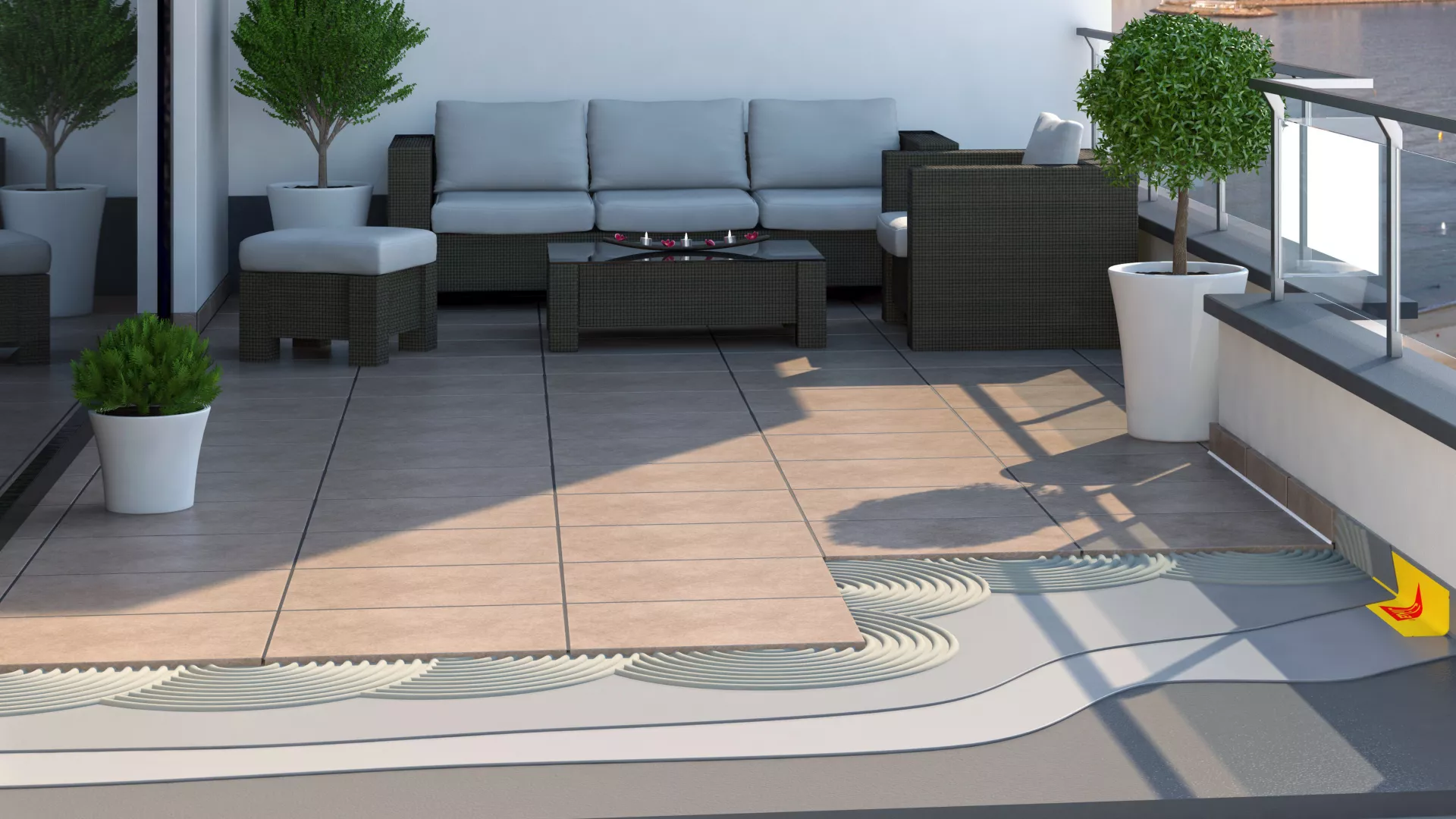
Podium waterproofing systems typically employ multiple redundant layers: a primary membrane fully adhered to the structural slab, a protection course to prevent damage during subsequent construction, a drainage layer to manage water flow to collection points, and various overburden layers depending on the intended use. For plaza applications, rigid insulation, filter fabric, and aggregate or paver systems complete the assembly. For landscaped areas, specialized root-resistant membranes and growing media systems are incorporated.
Waterproofing Rehabilitation Approaches
Existing buildings with waterproofing failures require rehabilitation strategies tailored to their specific conditions. When exterior access is available, excavation and positive-side waterproofing installation provides the most effective solution. However, site constraints, adjacent structures, or underground utilities often make excavation impractical or cost-prohibitive.
Negative-side waterproofing, applied to interior surfaces, offers an alternative when exterior access is unavailable. Cementitious coatings, crystalline waterproofing treatments, and cavity drainage systems can manage water that penetrates the foundation, though they don't provide the same level of protection as positive-side systems. Injection grouting using polyurethane or epoxy resins can seal active cracks, though this approach works best for discrete leaks rather than widespread water intrusion.
For parking structures, waterproofing rehabilitation typically involves removing deteriorated traffic coatings, making necessary concrete repairs, and installing new waterproofing systems. This work must be carefully phased to maintain parking availability for building occupants. Experienced contractors develop detailed sequencing plans that minimize disruption while ensuring quality installation.
Florida Climate Challenges for Foundation Waterproofing
Florida's subtropical climate creates unique challenges for foundation waterproofing that contractors from other regions often underestimate. Year-round humidity averaging 70-90% accelerates moisture absorption in building materials and creates condensation issues that can mask waterproofing failures. Temperature fluctuations, while less extreme than northern climates, still cause expansion and contraction that stresses waterproofing membranes and sealants.
The Tampa Bay region receives approximately 50-54 inches of annual rainfall, concentrated during the summer rainy season from June through September. This precipitation pattern creates extended periods of saturated soil conditions that maintain hydrostatic pressure against foundation walls for months at a time. Unlike climates where groundwater levels fluctuate seasonally, Florida's consistently high water table means waterproofing systems rarely get relief from hydraulic loads.
Hurricane and tropical storm activity brings additional challenges through wind-driven rain, storm surge in coastal areas, and rapid changes in barometric pressure that can drive moisture through seemingly sound waterproofing systems. The combination of high winds and heavy rainfall can test waterproofing systems beyond their normal design parameters. Post-storm moisture intrusion often reveals weaknesses that remained hidden during normal weather conditions.
Salt air exposure in coastal Tampa Bay areas accelerates corrosion of metal components in waterproofing systems and can cause premature deterioration of some membrane materials. This marine environment requires waterproofing systems specifically formulated to resist salt exposure, UV radiation, and the constant moisture that characterizes Florida's coastal climate.
Safety Certifications and Industry Standards
Professional foundation waterproofing requires adherence to strict safety standards, particularly for commercial and high-rise applications. The Occupational Safety and Health Administration (OSHA) mandates safety training for construction workers, with specific requirements for confined spaces (elevator pits, basement excavations), fall protection (scaffolding, elevated work), and hazardous material handling (solvents, adhesives, chemical waterproofing materials).
Our waterproofing crews maintain current OSHA 30-hour training certifications, demonstrating competency in construction safety standards. Additional specialized training includes confined space entry certification for work in basement areas and elevator pits, scaffold erection and inspection training for elevated access work, and chemical safety training for handling waterproofing materials that may contain volatile organic compounds or require special ventilation.
Industry certifications from waterproofing manufacturers ensure our technicians understand proper installation techniques for specific products. These programs typically require classroom instruction, hands-on training, and periodic recertification to maintain currency with evolving products and techniques. Manufacturer certifications also provide extended warranty coverage that protects building owners' investments.
The International Institute for Building Enclosure Consultants (IIBEC) provides additional professional development through continuing education programs that keep our staff current with evolving waterproofing technology, building codes, and best practices. These programs cover topics ranging from building forensics to new membrane technologies to sustainable waterproofing approaches.
Quality Control and Testing Protocols
Professional waterproofing installation requires rigorous quality control procedures that verify system performance before project completion. Electronic leak detection (ELD) testing for membrane systems uses low-voltage electrical current to identify breaches in the waterproofing membrane. This non-destructive testing method can locate defects as small as a pinhole, ensuring complete system integrity.
Flood testing of horizontal surfaces verifies watertight performance under actual water exposure conditions. Test areas are temporarily dammed and flooded to a specified depth for 24-48 hours while monitoring for leakage. This testing protocol proves particularly valuable for balcony and parking deck installations where membrane integrity is critical to protecting occupied spaces below.
Visual inspection protocols document installation quality at each stage of the process. Substrate preparation, primer application, membrane installation, and protective coating application each require inspection and documentation before proceeding to subsequent steps. Photographic documentation provides permanent records of installation quality and helps resolve questions about warranty coverage.
Material testing verifies that waterproofing products meet specified performance requirements. Adhesion testing confirms proper bonding between membranes and substrates. Thickness testing ensures adequate material coverage. Weather monitoring ensures installation occurs within manufacturer-specified temperature and humidity ranges for optimal curing and performance.
Sustainable and Energy-Efficient Waterproofing
Modern waterproofing systems can contribute to building sustainability and energy efficiency through reduced moisture infiltration that improves insulation performance and indoor air quality. Effective foundation waterproofing prevents moisture intrusion that can saturate insulation, reducing its thermal resistance and forcing HVAC systems to work harder to maintain comfort conditions.
Low-VOC and zero-VOC waterproofing materials support healthy indoor environments by minimizing off-gassing of organic compounds that can affect air quality. Water-based waterproofing systems typically have lower environmental impact than solvent-based alternatives while providing comparable performance in most applications.
Green roof applications over waterproofed surfaces provide additional environmental benefits through stormwater management, urban heat island reduction, and improved building insulation. However, these applications require specialized waterproofing systems designed to resist root penetration and accommodate the additional loads and drainage requirements of planted surfaces.
LEED certification programs recognize waterproofing contributions to building performance through credits for moisture control, indoor air quality, and sustainable material selection. Properly specified and installed waterproofing systems support multiple LEED credit categories while protecting the building investment.
storm response and Disaster Preparedness
Temporary waterproofing measures using sheet plastic, sealants, and drainage systems can protect buildings until permanent repairs can be completed. These stopgap measures require careful installation to avoid creating new problems while providing interim protection.
Post-disaster building assessment includes evaluation of waterproofing system performance and identification of storm damage that may not be immediately apparent. Hidden damage can lead to progressive failures if not identified and addressed promptly.
Technology Integration and Modern Tools
Advanced diagnostic tools enhance our ability to identify waterproofing problems and verify repair effectiveness. Infrared thermography can locate moisture intrusion patterns by detecting temperature differences caused by evaporation. Moisture meters provide quantitative measurements of water content in building materials.
Drone technology enables safe inspection of high-rise waterproofing systems without expensive access equipment. High-resolution cameras and thermal imaging sensors can document conditions and identify problems that might otherwise go unnoticed until significant damage occurs.
Digital documentation systems provide comprehensive project records that support warranty claims and future maintenance planning. Photographs, test results, material certifications, and installation records are maintained in searchable databases that can be accessed years later when questions arise about system performance or warranty coverage.
Long-Term Maintenance and Performance Monitoring
Proactive maintenance programs extend waterproofing system service life and prevent minor problems from becoming major failures. Annual inspections identify emerging issues like small cracks, loose sealants, or drainage problems that can be addressed before they compromise waterproofing integrity.
Maintenance protocols include cleaning drainage systems, resealing joints and penetrations, touching up protective coatings, and documenting system condition. These routine activities cost far less than major waterproofing rehabilitation while maintaining system effectiveness.
Performance monitoring through periodic leak detection testing and condition assessment provides data that supports maintenance decision-making and helps predict when major renovation will be necessary. This information allows building owners to budget appropriately and avoid urgent situations that result from deferred maintenance.
Advanced Waterproofing Materials and Technologies
The waterproofing industry continues to evolve with new materials that offer superior performance in Florida's challenging climate. Self-healing membranes incorporate encapsulated healing agents that automatically seal small punctures or tears, extending system service life and reducing maintenance requirements. These advanced materials prove particularly valuable in applications where access for repairs is difficult or expensive.
Crystalline waterproofing technology penetrates concrete to provide permanent waterproofing that cannot be damaged by physical abuse or removed by water pressure. These products react with moisture and unhydrated cement particles to form insoluble crystals that block capillary pores and microcracks. The crystalline structure continues to develop over time, providing self-sealing properties that address future concrete movement.
Smart waterproofing systems incorporate sensors that monitor membrane performance and alert building management to developing problems. Embedded moisture sensors can detect leaks before they cause visible damage, enabling prompt repairs that prevent costly secondary damage. These monitoring systems prove particularly valuable for critical areas like electrical rooms, server facilities, and storage areas containing valuable equipment or materials.
Nanotechnology applications in waterproofing include ultra-thin coatings that provide excellent water resistance while maintaining vapor permeability. These breathable waterproof coatings allow moisture vapor to escape from building assemblies while preventing liquid water penetration, addressing one of the key challenges in Florida's humid climate.
Code Compliance and Regulatory Requirements
Florida Building Code requirements for waterproofing vary by building type, occupancy, and geographic location. High Velocity Hurricane Zone (HVHZ) requirements in South Florida impose additional standards for building envelope performance, including waterproofing systems that must resist wind-driven rain. Tampa Bay area projects typically follow standard Florida Building Code requirements, though coastal proximity may trigger additional considerations.
International Building Code (IBC) provisions for waterproofing focus on protecting structural elements and maintaining indoor air quality. These requirements address both new construction and building renovation projects. Compliance documentation must be maintained for building permit approval and future inspections.
Americans with Disabilities Act (ADA) considerations affect waterproofing design where accessible routes cross waterproofed surfaces. Slip resistance requirements, drainage patterns, and transition details must accommodate accessibility needs while maintaining waterproofing integrity.
Environmental regulations affect waterproofing material selection and installation practices. Volatile organic compound (VOC) limits require low-emission products in many applications. Waste disposal regulations govern the handling of removed waterproofing materials, particularly those containing hazardous substances.
Project Management and Construction Coordination
Successful waterproofing projects require careful coordination with other building trades to ensure proper sequencing and system integration. Structural work must be completed and verified before waterproofing installation begins. Concrete surfaces must cure adequately to achieve proper membrane adhesion. Mechanical, electrical, and plumbing penetrations must be planned and coordinated to minimize waterproofing complexity.
Weather monitoring plays a critical role in waterproofing installation scheduling. Many waterproofing materials have specific temperature and humidity requirements for proper curing. Rain can disrupt installation and require protective measures or temporary stops in work. Our project managers monitor weather forecasts and adjust schedules to ensure optimal installation conditions.
Material logistics management ensures that waterproofing products are properly stored and handled to maintain their performance characteristics. Some materials require temperature-controlled storage, while others have limited shelf life that must be tracked carefully. Proper material handling prevents contamination that could compromise system performance.
Quality assurance protocols include third-party inspection services for critical applications. Independent inspection provides verification that installation meets specified requirements and industry standards. These services prove particularly valuable for projects where warranty requirements or insurance considerations demand documented compliance with best practices.
Specialized Foundation Waterproofing Applications
Elevator pit waterproofing presents unique challenges due to confined space constraints, multiple penetrations for cables and pipes, and the need to maintain accessibility for equipment servicing. Specialized membrane systems designed for elevator pits must accommodate the dynamic loads from elevator operation while providing complete water exclusion. Proper drainage design ensures that any water that does penetrate is quickly removed before it can affect elevator equipment.
Swimming pool and spa foundations require waterproofing systems that can withstand continuous submersion, chemical exposure from sanitizers, and thermal stress from heating systems. These applications often require redundant waterproofing layers and specialized drainage systems that can handle both groundwater and potential pool leaks.
Underground utility vaults and service tunnels need waterproofing systems that protect critical infrastructure from water damage. These applications require careful attention to cable and pipe penetrations, access hatches, and ventilation systems. Failure of utility vault waterproofing can result in service interruptions that affect entire buildings or neighborhoods.
Below-grade retail and restaurant spaces face unique challenges from grease, food waste, and frequent cleaning that can affect waterproofing system performance. Specialized waterproofing approaches for these applications must resist chemical attack while maintaining cleanability and slip resistance.
Cost-Benefit Analysis and Return on Investment
Professional waterproofing installation represents a significant investment that provides substantial returns through damage prevention, energy savings, and extended building service life. Water damage repair costs typically exceed waterproofing installation costs by factors of 3-10, making proactive waterproofing highly cost-effective compared to reactive repairs.
Energy savings from effective moisture control can be substantial in Florida's climate. Waterproofing prevents moisture infiltration that reduces insulation effectiveness and forces HVAC systems to work harder to maintain comfort conditions. These savings accumulate over the waterproofing system's service life, contributing to overall project value.
Insurance considerations may include premium reductions for buildings with comprehensive waterproofing systems, particularly in flood-prone areas. Some insurance carriers offer discounts for properties that demonstrate proactive risk management through quality waterproofing and maintenance programs.
Property value protection ensures that waterproofing investments maintain building marketability and resale value. Buildings with known water intrusion problems face significant valuation penalties, while properties with effective waterproofing systems command premium prices in the commercial real estate market.
Future Trends in Foundation Waterproofing
The waterproofing industry continues to evolve with innovations that address the growing demands of climate change, sustainability, and building performance. Predictive maintenance systems using Internet of Things (IoT) sensors and artificial intelligence will enable building managers to identify waterproofing problems before they cause damage, transitioning from reactive to predictive maintenance strategies.
Bio-based waterproofing materials derived from renewable resources offer environmental benefits while maintaining performance standards. These sustainable alternatives reduce dependence on petroleum-based products while providing comparable protection. Research into self-repairing bio-materials may lead to waterproofing systems that can heal themselves when damaged.
Climate adaptation strategies for Florida buildings must account for changing precipitation patterns, increased hurricane intensity, and rising sea levels. Future waterproofing systems will need to handle more extreme conditions while providing greater resilience against catastrophic weather events. Enhanced drainage systems, improved storm surge protection, and redundant waterproofing layers may become standard requirements.
Digital twin technology enables virtual modeling of building waterproofing performance under various conditions. These models help optimize waterproofing system design, predict maintenance needs, and evaluate the effectiveness of different waterproofing strategies. Building information modeling (BIM) integration provides detailed documentation of waterproofing systems for long-term maintenance and renovation planning.
Training and Professional Development
Professional waterproofing installation requires continuous training to keep pace with evolving materials, techniques, and regulations. Our technicians participate in ongoing education programs offered by waterproofing manufacturers, industry associations, and safety organizations. These programs ensure our team remains current with best practices and emerging technologies.
Apprenticeship programs develop the next generation of skilled waterproofing technicians through combination of classroom instruction and hands-on experience. These programs typically span 3-4 years and cover all aspects of waterproofing installation, safety procedures, and quality control. Experienced journeymen provide mentorship that ensures knowledge transfer and maintains craftsmanship standards.
Specialty certifications in areas like injection grouting, membrane welding, and electronic leak detection provide advanced skills that enable our technicians to handle the most challenging waterproofing applications. These specialized capabilities distinguish professional contractors from general construction companies that may attempt waterproofing work without proper training.
Safety training programs address the specific hazards associated with waterproofing work, including chemical exposure, confined space entry, and fall hazards. Regular safety meetings, equipment inspections, and incident reporting maintain awareness and prevent accidents that could harm workers or damage property.
Customer Education and Expectations
Successful waterproofing projects begin with educated clients who understand system options, performance expectations, and maintenance requirements. Our consultation process includes detailed explanations of different waterproofing approaches, their advantages and limitations, and expected service life. This education helps clients make informed decisions that align with their budget and performance requirements.
Realistic timeline expectations account for weather delays, material delivery schedules, and proper curing times. Rushing waterproofing installation to meet unrealistic deadlines often compromises quality and leads to premature failures. Our project managers work with clients to develop achievable schedules that prioritize quality over speed.
Maintenance education helps building owners protect their waterproofing investment through proper care and timely attention to minor problems. Simple maintenance tasks like keeping drains clear and promptly addressing small cracks can significantly extend waterproofing system life.
Warranty understanding ensures that clients know what is covered, what is excluded, and what actions might void warranty coverage. Clear warranty terms and proper documentation provide peace of mind and protect the client's investment in quality waterproofing systems.
Conclusion: Protecting Your Investment
Foundation waterproofing represents one of the most critical building systems for protecting structural integrity, maintaining indoor environmental quality, and preserving property value. In Florida's challenging climate, where humidity, precipitation, and severe weather create demanding conditions for building systems, professional waterproofing installation provides essential protection against water damage that can cost far more to repair than prevent.
The complexity of modern commercial buildings and the regulatory requirements imposed by legislation like SB 4-D make professional expertise more important than ever. Florida Construction Specialists combines extensive experience, proper training, and quality materials to deliver waterproofing systems that protect your building investment while ensuring compliance with all applicable requirements.
Foundation Waterproofing Costs in Tampa Bay
| Service | Cost Range | Unit |
|---|---|---|
| Below-Grade Exterior Membrane (new construction) | $8 - $15 | Per sq ft |
| Below-Grade Exterior (with excavation) | $15 - $30 | Per sq ft |
| Negative-Side Cementitious Coating | $5 - $12 | Per sq ft |
| Parking Deck Traffic Membrane | $8 - $15 | Per sq ft |
| Podium Deck Waterproofing System | $15 - $25 | Per sq ft |
| Crack Injection (epoxy or urethane) | $100 - $300 | Per linear ft |
| Complete Garage Restoration | $25 - $50 | Per sq ft |
| Drainage System Installation | $20 - $40 | Per linear ft |
*Costs vary based on site conditions, system selection, and project scope. Contact us for a detailed estimate.
Why Choose Florida Construction Specialists
Frequently Asked Questions
Related Articles
Balcony Restoration & Waterproofing for Longevity
Protect your investment with restoration systems engineered for 20+ years of service.
Read MoreFlorida SB4-D Compliance Guide
Essential requirements for condo milestone inspections and structural integrity reserves.
Read MoreEffective Balcony Maintenance Tips
Proactive maintenance strategies to extend balcony lifespan and prevent costly repairs.
Read MoreCondo Balcony Inspection Requirements
Understanding inspection requirements under Florida's updated condo safety legislation.
Read MoreRelated Waterproofing Services
Protect Your Building's Foundation
Contact Florida Construction Specialists for expert commercial construction services across Tampa Bay. From design-build to tenant improvements, our team delivers quality results on time and on budget.