Waterproofing Solutions for Residential Buildings: The Ultimate Guide
Comprehensive waterproofing systems for high-rise condominiums protecting balconies, parking structures, and building envelopes throughout Tampa Bay.
High-rise residential buildings face extraordinary waterproofing challenges that demand professional solutions far beyond typical residential applications. The combination of building height, horizontal surfaces exposed to weather, below-grade parking structures, and complex building envelope systems creates multiple opportunities for water intrusion. When waterproofing fails in these buildings, the consequences extend far beyond inconvenience—structural damage, unit damage, and habitability issues can result in hundreds of thousands of dollars in repairs and severe impacts on unit values.
Florida Construction Specialists provides comprehensive waterproofing services for high-rise condominiums and residential buildings throughout Tampa, St. Petersburg, Clearwater, Sarasota, and Lakeland. Our integrated approach addresses all building waterproofing systems—from roof to foundation—ensuring that individual repairs work together as part of a comprehensive building protection strategy. Following Florida's SB 4-D legislation, we help condominium associations develop waterproofing programs that satisfy inspection requirements while protecting association budgets.
Understanding High-Rise Waterproofing Challenges
High-rise residential buildings experience waterproofing stresses that low-rise structures never encounter. Wind-driven rain at upper floors can penetrate facade systems that easily shed vertical rainfall. Building sway under wind loads stresses sealant joints and can open gaps at material transitions. Thermal cycling from full sun exposure causes expansion and contraction that fatigues waterproofing membranes. The stack effect—rising warm air creating pressure differentials—can pull moisture into building assemblies.
Tampa Bay's climate adds additional stress factors. Annual rainfall exceeding 50 inches tests every waterproofing system regularly. Hurricane seasons bring extreme wind-driven rain events that reveal weaknesses invisible during normal weather. Salt air corrodes exposed metal components and accelerates coating deterioration. Intense UV radiation breaks down organic coating compounds and sealant materials. These combined stresses demand waterproofing systems specifically designed for Florida conditions.
SB 4-D Compliance and Building Protection
Florida's SB 4-D legislation has transformed how condominium associations approach building waterproofing. The milestone structural inspections required for buildings three stories or higher specifically evaluate evidence of water intrusion damage. Inspectors look for efflorescence (white mineral deposits indicating water migration), corrosion staining, concrete spalling and delamination, and other signs that water has reached structural elements.
When inspections reveal water intrusion damage, associations must address both the structural deterioration and the underlying waterproofing failures. Simply repairing concrete without correcting the water source guarantees recurring damage. The inspection reports become part of the building's permanent record, and subsequent inspections will evaluate whether identified issues have been properly addressed.
The Structural Integrity Reserve Study (SIRS) required by SB 4-D must include waterproofing systems among components requiring reserve funding. Associations can no longer treat waterproofing maintenance as an optional expense—the law mandates adequate reserves for these building-critical systems. This requirement forces associations to plan for inevitable waterproofing system replacement and budget accordingly.
Balcony Waterproofing for Condominiums
Balconies represent one of the most challenging waterproofing applications in residential buildings. The horizontal surfaces collect rain rather than shedding it, exposing waterproofing membranes to standing water. Foot traffic, furniture movement, and barbecue grills create wear that can damage protective coatings. Railing post penetrations, door thresholds, and drainage scuppers all represent potential leak points that must be properly detailed.
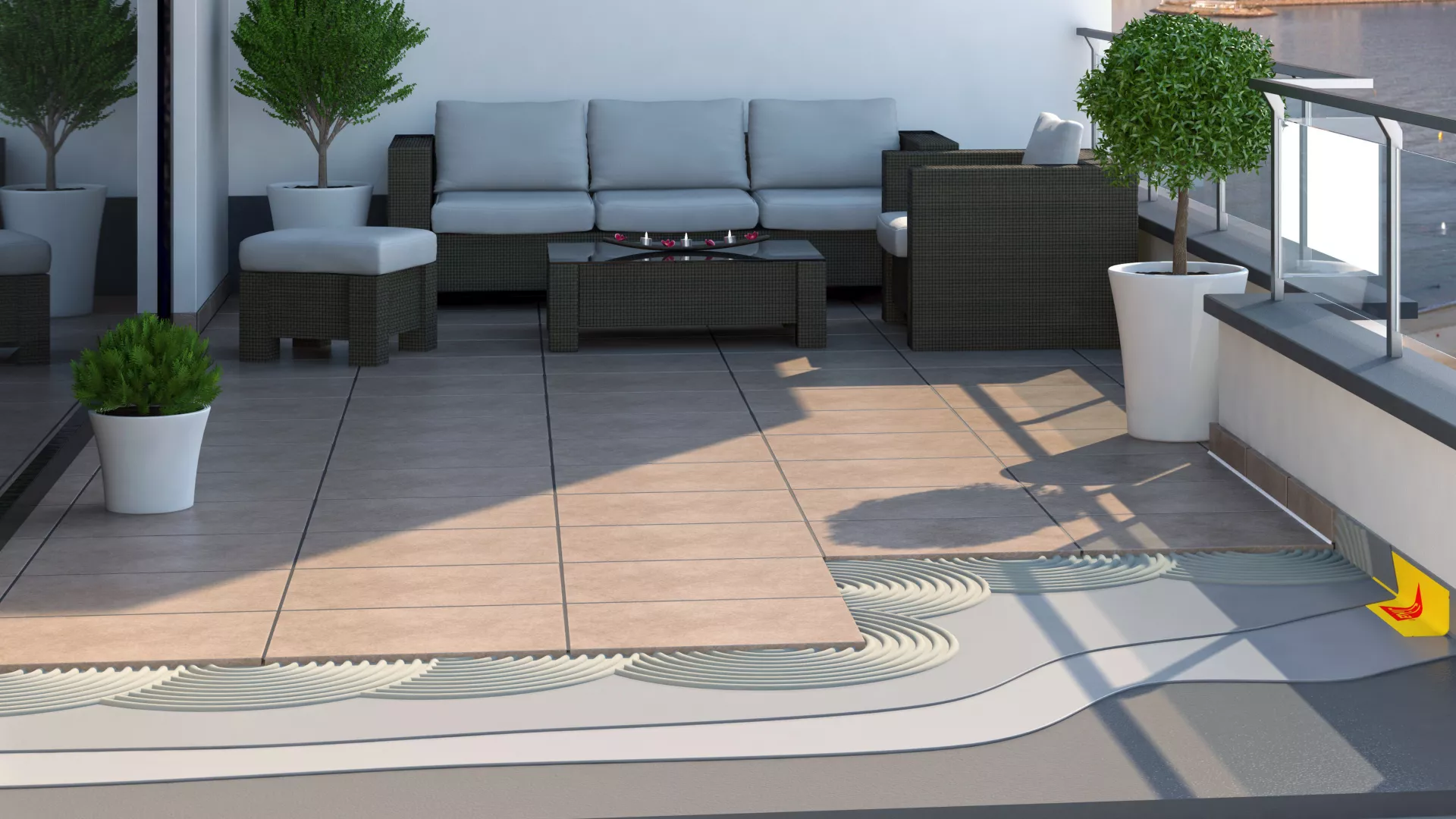
Effective balcony waterproofing employs traffic-bearing membrane systems that combine waterproofing protection with durability for regular use. These multi-layer systems typically include primers for substrate adhesion, waterproofing membranes (often polyurethane or polyurea), and topcoats that provide UV resistance, wear resistance, and slip resistance. Proper installation requires careful surface preparation, correct coating thickness, and attention to detail at all transitions and penetrations.
Drainage design proves critical for balcony waterproofing success. Slabs must slope adequately toward scuppers or drains—minimum 1/4 inch per foot. Drains must be sized to handle Tampa Bay's intense rainfall without backing up. Overflow provisions prevent flooding when primary drains clog. The waterproofing system must integrate with all drainage elements to ensure water moves efficiently off the balcony surface.
Parking Structure Protection
Below-grade and elevated parking structures face unique waterproofing challenges. Vehicle traffic creates wear and tear that surface-applied waterproofing systems must withstand. Petroleum drips, road salt residue (from vehicles traveling from northern states), and cleaning chemicals can attack waterproofing materials. The large horizontal surfaces of parking decks can collect substantial water volumes during rain events.
Parking deck waterproofing systems must simultaneously provide water resistance and traffic durability. Elastomeric traffic coatings create seamless, crack-bridging membranes that flex with concrete movement while withstanding tire abrasion. Aggregate broadcast or textured topcoats provide the traction needed for vehicle safety. Color coding can delineate traffic lanes, parking stalls, and pedestrian paths while enhancing the parking experience.
Structural steel protection in parking garages requires special attention. Exposed beams, columns, and connections corrode rapidly when exposed to moisture and chlorides. Protective coatings, regular inspection, and prompt treatment of coating damage preserve structural capacity. Joints between structural elements must accommodate movement while preventing water penetration to embedded steel.
Building Envelope Waterproofing
The building envelope—all exterior surfaces that separate interior from exterior—forms the primary defense against water intrusion. For high-rise residential buildings, envelope waterproofing includes wall coating systems, joint sealants, window and door perimeter sealing, and transitions to adjacent systems like roofing and balconies. Each element must perform its function while working with adjacent systems.
Elastomeric wall coatings provide breathable waterproofing for exterior wall surfaces. These high-build acrylic or urethane products bridge hairline cracks while allowing moisture vapor to escape from wall assemblies. Quality elastomerics maintain flexibility through years of thermal cycling and UV exposure. Proper surface preparation—cleaning, crack repair, and priming—proves essential for coating adhesion and longevity.
Windows represent the most common water entry points in building envelopes. Perimeter sealant joints eventually fail from UV exposure and building movement. Flashing details may be inadequate or improperly installed. Weep systems can become clogged with debris. Comprehensive window waterproofing addresses all potential entry points with coordinated sealant, flashing, and drainage improvements.
Florida Climate Impact on Residential Waterproofing
Florida's subtropical climate creates unique challenges for residential building waterproofing that contractors from other regions often underestimate. The combination of high humidity, intense UV radiation, temperature fluctuations, and extreme weather events creates a demanding environment that tests waterproofing materials and systems beyond their normal design parameters.
Year-round humidity averaging 70-90% in Tampa Bay means waterproofing systems rarely get relief from moisture stress. This constant humidity penetrates building materials and can create condensation problems that mask true waterproofing failures. Materials that work well in arid climates often fail prematurely in Florida's humid environment due to moisture absorption, biological growth, and accelerated chemical degradation.
UV radiation intensity in Florida ranks among the highest in the continental United States. This ultraviolet exposure breaks down organic compounds in coating systems, deteriorates sealant materials, and causes color fading that affects both performance and aesthetics. Waterproofing systems must include UV stabilizers and pigments specifically formulated for high-intensity exposure conditions.
The Tampa Bay region's concentrated rainy season from June through September delivers approximately 30-35 inches of rainfall in just four months. During peak storm activity, buildings may experience multiple days of continuous rain exposure that saturates building assemblies and tests waterproofing systems under extreme conditions. This moisture loading far exceeds the design parameters of many standard waterproofing materials.
Hurricane and tropical storm activity brings wind-driven rain that can penetrate waterproofing systems from unexpected directions. The combination of high winds and heavy rainfall creates hydrostatic pressures against vertical surfaces that exceed normal design loads. Post-storm moisture intrusion often reveals waterproofing weaknesses that remained hidden during normal weather conditions.
Safety Certifications and Professional Standards
Professional waterproofing installation requires adherence to comprehensive safety standards that protect both workers and building occupants. The Occupational Safety and Health Administration (OSHA) mandates safety training for construction workers, with specific requirements for fall protection, chemical handling, confined spaces, and elevated work that commonly occur in residential building waterproofing projects.
Our waterproofing crews maintain current OSHA 30-hour construction safety certification, demonstrating comprehensive knowledge of construction safety standards and hazard recognition. This training covers fall protection systems, scaffolding safety, ladder safety, electrical hazards, and chemical safety—all critical components of safe waterproofing installation practices.
Fall protection certification proves essential for high-rise residential waterproofing work where crews operate near unprotected edges and use elevated access equipment. Proper harness use, anchor point selection, and rescue procedures require specialized training beyond general construction knowledge. Our technicians complete annual fall protection refresher training to maintain current certification and stay informed about evolving safety requirements.
Chemical safety training addresses the health hazards associated with waterproofing materials, including solvents, catalysts, primers, and topcoats. Many waterproofing products contain volatile organic compounds (VOCs) or require mixing with catalysts that pose inhalation or skin contact risks. Training covers material safety data sheet interpretation, exposure limits, ventilation requirements, and personal protective equipment selection for safe material handling.
Confined space entry certification applies to waterproofing work in basement areas, utility rooms, mechanical spaces, and other enclosed areas with limited access. These environments present risks from atmospheric hazards, limited ventilation, and restricted egress that require specialized safety procedures. Training includes atmospheric monitoring, ventilation requirements, and storm rescue procedures for confined space work.
Advanced Waterproofing Materials and Technology
Modern waterproofing technology offers significant advances over traditional systems in durability, application methods, and performance characteristics. Self-healing membranes incorporate encapsulated healing agents that automatically seal small punctures or cracks, reducing maintenance requirements and extending service life. These advanced materials prove particularly valuable for high-traffic areas like balconies and parking structures where minor damage is difficult to prevent.
Nanotechnology applications in waterproofing include ultra-thin coatings that provide excellent water resistance while maintaining vapor permeability. These breathable waterproof systems allow moisture vapor to escape from building assemblies while preventing liquid water intrusion—addressing one of the fundamental challenges in Florida's humid climate where trapped moisture can cause as much damage as water intrusion.
Smart waterproofing systems incorporate sensors that monitor system performance and provide early warning of developing problems. Embedded moisture sensors can detect water intrusion before it becomes visible, enabling prompt repairs that prevent costly secondary damage. These monitoring systems prove particularly valuable for critical building areas and spaces containing expensive equipment or sensitive materials.
Cool coating technology reflects solar radiation and reduces surface temperatures, providing energy efficiency benefits while delivering waterproofing protection. These reflective systems can reduce air conditioning loads in Florida's hot climate while protecting roof and wall surfaces from thermal stress that accelerates coating degradation. Some cool coatings qualify for energy efficiency rebates from utility companies.
Quality Control and Testing Protocols
Professional waterproofing installation requires rigorous quality control procedures that verify system performance at each stage of installation. Electronic leak detection (ELD) testing for membrane systems uses low-voltage electrical current to identify breaches in waterproofing membranes. This non-destructive testing method can locate defects as small as a pinhole, ensuring complete membrane integrity before project completion.
Flood testing of balconies and other horizontal surfaces verifies watertight performance under actual water exposure conditions. Test areas are temporarily dammed and flooded to specified depths for 24-48 hours while monitoring for leakage into spaces below. This testing protocol provides definitive proof of waterproofing integrity and identifies any areas requiring additional attention.
Adhesion testing confirms proper bonding between waterproofing materials and substrate surfaces using pull-off testing or dolly testing methods. These quantitative tests verify that installation procedures have achieved the adhesion strength required for long-term performance. Poor adhesion represents the most common cause of premature waterproofing failure.
Material testing protocols verify that waterproofing products meet specified performance requirements including tensile strength, elongation, tear resistance, and weatherability. Independent laboratory testing provides objective verification of material properties, while field testing confirms proper mixing, application thickness, and curing characteristics during installation.
Maintenance Programs for Long-Term Performance
Proactive maintenance programs extend waterproofing system service life while minimizing unexpected failures and costly prompt repairs. Annual inspection protocols identify emerging issues like small cracks, loose sealants, or drainage problems before they compromise waterproofing integrity. Early intervention typically costs a fraction of major rehabilitation while maintaining system effectiveness.
Preventive maintenance activities include cleaning drainage systems, resealing expansion joints, touching up protective coatings, and addressing minor repairs. These routine tasks prevent small problems from becoming major failures while maintaining the appearance and performance that protect property values. Regular maintenance also demonstrates due diligence that may support warranty claims and insurance coverage.
Performance monitoring through periodic testing and condition assessment provides data-driven insights for maintenance decision-making. Trending analysis helps predict when major components will need replacement, enabling associations to budget appropriately and plan renovations during favorable weather conditions. This predictive approach prevents the urgent situations that result in premium pricing and limited contractor availability.
Documentation systems maintain comprehensive records of all maintenance activities, including photographs, test results, repair locations, and material usage. These records support warranty claims, provide continuity when property management changes, and help future contractors understand building history and performance patterns. Digital documentation systems enable searchable databases and remote access for property managers and board members.
Environmental Impact and Sustainability
Sustainable waterproofing approaches consider environmental impact throughout the system lifecycle, from raw material extraction through end-of-life disposal. Low-VOC and zero-VOC waterproofing products minimize air quality impacts during installation while reducing environmental emissions. Water-based systems typically offer lower environmental impact than solvent-based alternatives while providing comparable performance in most applications.
Energy efficiency benefits from effective waterproofing include reduced HVAC loads from preventing moisture infiltration that saturates insulation and creates comfort problems. Proper building envelope sealing can reduce air conditioning costs by 10-20% in Florida's climate while improving indoor air quality and comfort. These energy savings accumulate over the waterproofing system's service life, contributing to overall project value.
Material durability considerations affect environmental impact through reduced replacement frequency and waste generation. High-quality waterproofing systems that last 20-30 years generate far less environmental impact than systems requiring replacement every 5-10 years. Durability also provides better economic value for building owners while reducing construction disruption to residents.
Green building certification programs like LEED recognize waterproofing contributions to building performance through credits for moisture control, indoor air quality, and sustainable material selection. Properly specified waterproofing systems can support multiple LEED credit categories while protecting the building investment and enhancing resident satisfaction.
Cost-Benefit Analysis and Financial Planning
Professional waterproofing installation represents a significant investment that provides substantial returns through damage prevention, energy savings, and property value protection. Water damage repair costs typically exceed waterproofing installation costs by factors of 3-10, making proactive waterproofing highly cost-effective compared to reactive repairs. This cost avoidance becomes particularly important for condominium associations with limited reserve funds.
Reserve fund planning for waterproofing must account for system service life, replacement costs, and maintenance requirements. Florida's SB 4-D legislation now mandates reserve funding for these building-critical components, forcing associations to budget for inevitable system replacement. Professional reserve study analysis helps associations develop realistic funding plans that avoid special assessments and maintain building marketability.
Financing options for large waterproofing projects include special assessments, reserve fund utilization, and association loans. Many associations prefer loan financing to preserve reserves while spreading project costs over multiple years. Some lenders specialize in association financing and understand the unique requirements of waterproofing projects for compliance with SB 4-D and other regulations.
Property value protection ensures that waterproofing investments maintain building marketability and unit resale values. Buildings with known water intrusion problems face significant valuation penalties and difficulty obtaining financing. Conversely, buildings with effective waterproofing systems and comprehensive maintenance programs command premium prices and attract quality buyers and tenants.
Project Management and Resident Relations
Successful waterproofing projects in occupied residential buildings require careful project management that balances construction efficiency with resident comfort and building operations. Pre-construction communication helps residents understand project schedules, access restrictions, and temporary inconveniences. Clear timelines and regular updates minimize complaints and maintain positive relationships throughout the project.
Phasing strategies maintain building livability while achieving production efficiency. Exterior wall work typically doesn't affect interior access, though noise and dust considerations require attention. Balcony work restricts unit access to balconies during treatment periods—typically 3-7 days per unit. Parking structure work may require temporary vehicle relocation with coordination for resident convenience.
Safety protocols protect both workers and residents during construction activities. Pedestrian protection, debris containment, and material storage all require careful planning and daily attention. Emergency procedures address potential incidents involving residents or visitors. Experienced contractors maintain comprehensive safety programs that prevent accidents while demonstrating professionalism.
Quality control measures include daily cleanup, material storage management, and progress documentation. Clean, organized work areas demonstrate professionalism and reduce resident complaints. Progress photography provides documentation of work quality while helping resolve any questions about scope or timeline. Professional project management builds confidence and supports successful project completion.
Conclusion: Comprehensive Building Protection
Waterproofing solutions for high-rise residential buildings require comprehensive expertise that addresses the unique challenges of Florida's climate, regulatory environment, and building types. Successful waterproofing programs integrate multiple systems—balconies, parking structures, building envelopes, and foundation elements—into coordinated building protection strategies that satisfy both performance requirements and budget constraints.
Florida Construction Specialists provides the technical expertise, safety training, and project management capabilities that ensure successful outcomes for condominium associations and residential building owners. Our comprehensive approach addresses all building waterproofing needs while supporting SB 4-D compliance and long-term asset protection throughout Tampa Bay.
storm response and Storm Damage Recovery
Post-storm building assessment requires systematic evaluation of all waterproofing systems to identify visible damage, hidden damage, and compromised performance that may not be immediately apparent. Storm damage can affect building waterproofing in unexpected ways—wind pressure changes, debris impact, and water infiltration from multiple directions. Comprehensive assessment ensures that all damage is identified and properly addressed.
Insurance coordination services help building owners navigate the claims process for storm-related waterproofing damage. Our experience with insurance adjusters and claims documentation ensures that legitimate damage is properly covered and repairs meet insurance requirements. We provide detailed damage documentation, repair cost estimates, and technical explanations that support efficient claims processing.
Temporary protective measures can preserve buildings until permanent repairs can be completed during appropriate weather conditions. These interim solutions require careful installation to avoid creating new problems while providing essential protection. Experienced contractors understand how to balance immediate needs with long-term repair requirements.
Specialized Residential Applications
Pool deck and spa waterproofing in residential buildings presents unique challenges from continuous water exposure, chemical sanitizers, and thermal stress from heating systems. These applications require specialized waterproofing systems that can withstand submersion, resist chemical attack, and accommodate thermal movement. Proper drainage design ensures that pool leaks don't damage structural elements or cause water intrusion into occupied spaces below.
Rooftop amenity areas including gardens, grills, and recreation spaces require waterproofing systems that protect the building while supporting the intended use. These applications may require specialized drainage, soil containment, equipment anchoring, and access provisions. The waterproofing system must accommodate both the static loads of amenities and the dynamic loads from regular use.
Below-grade residential spaces including storage areas, mechanical rooms, and recreational facilities need waterproofing approaches that address both groundwater intrusion and potential flooding from interior sources. Negative-side waterproofing, drainage systems, and waterproof coatings may all play roles in comprehensive below-grade protection strategies.
Elevator shaft waterproofing protects critical building infrastructure from water damage that could affect elevator operation and create safety hazards. These confined spaces require specialized access equipment and safety procedures while demanding complete water exclusion. Proper drainage design ensures that any water that does penetrate is quickly removed before affecting equipment.
Technology Integration and Building Information Systems
Modern waterproofing projects increasingly integrate with building information modeling (BIM) systems that provide detailed documentation of system installations for long-term maintenance and renovation planning. Digital documentation includes system specifications, installation photographs, test results, and warranty information in searchable databases that support facility management throughout the building's service life.
Smart building integration enables waterproofing system monitoring through sensors and automated alert systems that notify building management of developing problems. Moisture sensors, temperature monitoring, and drainage flow detection can provide early warning of waterproofing issues before they cause visible damage or affect resident comfort.
Drone technology offers cost-effective building condition assessment that supplements traditional inspection methods. High-resolution cameras, thermal imaging, and 3D mapping capabilities enable comprehensive building surveys without expensive access equipment. Regular drone inspections can track waterproofing system condition over time and identify maintenance needs.
Predictive maintenance systems using artificial intelligence and machine learning analyze building performance data to predict waterproofing maintenance needs and optimize replacement timing. These systems can identify patterns that indicate developing problems and recommend proactive maintenance that prevents failures and extends system service life.
Future Trends and Innovation
The waterproofing industry continues to evolve with innovations that address climate change impacts, sustainability requirements, and performance demands. Bio-based waterproofing materials derived from renewable resources offer environmental benefits while maintaining performance standards. Research into self-repairing materials may lead to waterproofing systems that can automatically heal minor damage.
Climate adaptation strategies for Florida buildings must account for changing precipitation patterns, increased hurricane intensity, and potential sea level rise impacts. Future waterproofing systems will need enhanced durability, improved storm resistance, and greater resilience against extreme weather events that exceed historical design parameters.
Integrated building system approaches combine waterproofing with energy efficiency, structural health monitoring, and building automation systems. These multi-functional systems provide waterproofing protection while contributing to overall building performance in areas like energy consumption, indoor air quality, and operational efficiency.
Regulatory evolution continues to shape waterproofing requirements through building codes, environmental regulations, and safety standards. Waterproofing contractors must stay current with changing requirements while anticipating future regulations that may affect system selection and installation practices.
Training and Professional Development
Continuous education ensures that waterproofing professionals stay current with evolving materials, installation techniques, safety requirements, and regulatory changes. Our technicians participate in manufacturer training programs, industry conference education, and safety certification updates that maintain current knowledge and skills. This ongoing education directly benefits our clients through improved installation quality and system performance.
Apprenticeship programs develop the next generation of waterproofing professionals through combination of classroom instruction and supervised hands-on experience. These comprehensive programs typically span 3-4 years and cover all aspects of waterproofing installation, safety procedures, quality control, and customer service. Experienced journeymen provide mentorship that ensures knowledge transfer and maintains craftsmanship standards.
Specialty certifications in areas like electronic leak detection, membrane welding, and injection grouting provide advanced capabilities that enable our team to handle the most challenging waterproofing applications. These specialized skills distinguish professional contractors from general construction companies that may attempt waterproofing work without proper training.
Industry leadership participation through professional associations, standards development committees, and technical advisory groups helps shape industry best practices while keeping our team informed about emerging trends and technologies. This involvement ensures that our clients benefit from the latest advances in waterproofing technology and application methods.
Final Recommendations for Building Owners
Successful waterproofing for high-rise residential buildings requires partnership with qualified professionals who understand the unique challenges of Florida's climate, regulatory environment, and building types. Selecting contractors based solely on lowest price often results in poor performance and premature failures that cost far more than quality installation. Investment in professional waterproofing installation and maintenance protects building value while ensuring resident comfort and safety.
Regular maintenance and proactive replacement planning help building owners avoid the urgent situations that result in premium pricing and limited contractor availability. Associations that plan waterproofing projects during favorable weather conditions and schedule work during traditional construction seasons typically achieve better pricing and quality outcomes than those forced into prompt repairs.
Documentation and record keeping support warranty claims, insurance coverage, and future renovation planning. Comprehensive project documentation including photographs, test results, and material certifications should be maintained in permanent building records. This information proves invaluable when questions arise about system performance or coverage issues.
Residential Building Waterproofing Costs in Tampa Bay
| Service | Cost Range | Unit |
|---|---|---|
| Exterior Wall Coating System | $3 - $8 | Per sq ft |
| Balcony Waterproofing (complete) | $15 - $40 | Per sq ft |
| Parking Deck Traffic Coating | $8 - $20 | Per sq ft |
| Joint Sealant Replacement | $8 - $15 | Per linear ft |
| Window Perimeter Sealing | $150 - $400 | Per opening |
| Roof Coating System | $4 - $10 | Per sq ft |
| Below-Grade Wall Treatment | $8 - $20 | Per sq ft |
| Complete Building Envelope (typical) | $500K - $2M+ | Per building |
*Costs vary based on building size, access requirements, and system selection. Contact us for a detailed estimate.
Why Choose Florida Construction Specialists
Frequently Asked Questions
Related Articles
Balcony Restoration & Waterproofing for Longevity
Protect your investment with restoration systems engineered for 20+ years of service.
Read MoreFlorida SB4-D Compliance Guide
Essential requirements for condo milestone inspections and structural integrity reserves.
Read MoreEffective Balcony Maintenance Tips
Proactive maintenance strategies to extend balcony lifespan and prevent costly repairs.
Read MoreCondo Balcony Inspection Requirements
Understanding inspection requirements under Florida's updated condo safety legislation.
Read MoreRelated Waterproofing Services
Protect Your Building with Professional Waterproofing
Contact Florida Construction Specialists for expert commercial construction services across Tampa Bay. From design-build to tenant improvements, our team delivers quality results on time and on budget.