Building Hurricane-Safe Structures in Florida
Florida's building codes are among the strictest in the nation for wind resistance. Understanding these requirements is essential for any commercial construction project in the Tampa Bay area.
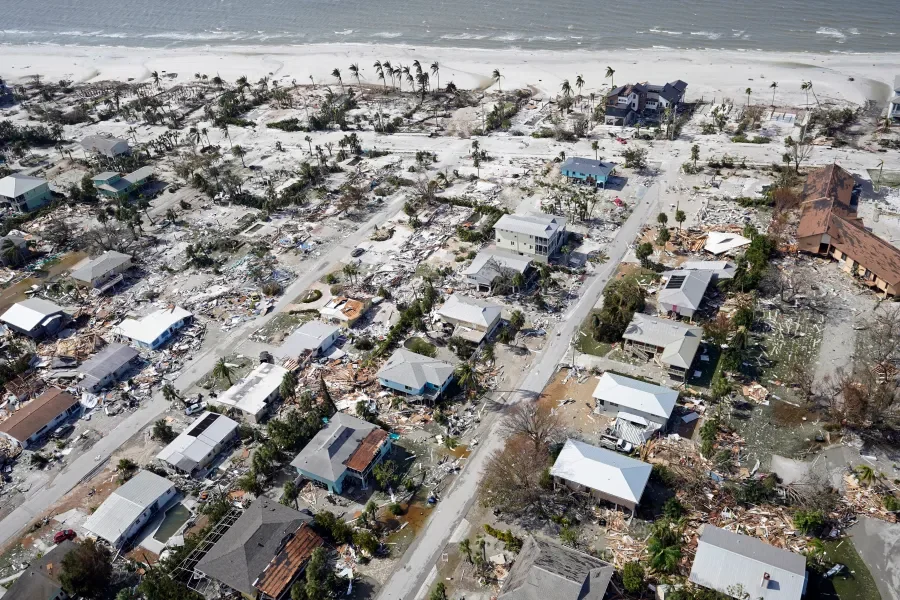
When Hurricane Andrew devastated South Florida in 1992, it exposed critical weaknesses in construction practices. The $27 billion in damage—much of it preventable—led to a complete overhaul of Florida's building codes. Today, structures built to current code are dramatically more resistant to hurricane forces than those built just 30 years ago.
For commercial building owners in Tampa Bay, understanding hurricane-resistant construction isn't just about code compliance—it's about protecting your investment, ensuring business continuity, and potentially reducing insurance costs. Modern hurricane-safe construction techniques can help buildings survive Category 4 and even Category 5 storms with minimal damage.
Florida Wind Speed Zones
Design wind speeds vary by location. The Tampa Bay area falls within the high-velocity hurricane zone, with design speeds ranging from 130-160 mph depending on proximity to the coast.
Inland Zone
130-140 mph
Most of Tampa, Lakeland, Brandon
Standard high-velocity hurricane zone requirements
Coastal Zone
150-160 mph
St. Petersburg, Clearwater, coastal Pinellas
Enhanced wind resistance, stricter opening protection
High-Velocity Zone
170+ mph
Miami-Dade, Broward (for reference)
Most stringent requirements in the nation
Key Elements of Hurricane-Resistant Construction
Reinforced Roof Systems
Roofs are the most vulnerable component in hurricanes. Florida code requires continuous load paths from roof to foundation, hurricane straps at every connection, and enhanced fastening schedules. Metal roofing and concrete tiles outperform traditional shingles in high winds.
Key Specifications
- Hurricane straps at 6' O.C. minimum
- Ring-shank nails or structural screws
- Secondary water barriers required
- Sealed roof deck mandatory
Impact-Resistant Glazing
Windows and doors are critical weak points. Impact-resistant glazing or approved shutters are required throughout Florida's high-velocity hurricane zones. Large-missile impact standards (9 lb. 2x4 at 50 fps) apply to most commercial buildings.
Key Specifications
- Miami-Dade NOA approved products
- Large-missile impact testing
- Pressure cycling requirements
- Structural silicone glazing systems
Structural Connections
The continuous load path concept ensures wind forces transfer from roof to walls to foundation without breaking the chain. Every connection must be engineered and inspected. Simpson Strong-Tie and similar connectors are standard.
Key Specifications
- Engineered connection design
- Hold-down anchors at corners
- Shear wall construction
- Concrete or masonry walls preferred
Water Intrusion Prevention
Most hurricane damage comes from water, not wind. Proper flashing, sealed penetrations, and secondary barriers prevent water intrusion even if the outer envelope is breached. Commercial buildings require enhanced waterproofing details.
Key Specifications
- Peel-and-stick underlayments
- Self-sealing flashings
- Weep systems for water management
- Flood-resistant materials below BFE
Evolution of Florida's Hurricane Building Codes
Pre-1992
Minimal hurricane requirements, contributing to catastrophic Andrew damage
1992
Hurricane Andrew exposes severe code deficiencies
2002
Florida Building Code adopted statewide, unifying standards
2007
Enhanced high-velocity hurricane zone requirements
2020
FBC 7th Edition with updated wind maps and requirements
2023
FBC 8th Edition with post-Ian/Nicole improvements
Special Considerations for Commercial Buildings
Essential Facilities
Hospitals, emergency operations centers, and other essential facilities must meet enhanced requirements—typically designed for wind speeds 15-20% higher than standard buildings. These structures must remain operational during and immediately after a hurricane.
Large Envelope Buildings
Warehouses, retail stores, and other large single-story buildings face unique challenges. Their large roof areas experience significant uplift forces, and their expansive walls must resist both direct pressure and debris impact. Metal building systems require special detailing for hurricane zones.
Multi-Story Buildings
Wind speeds increase with height. Upper floors of multi-story buildings experience significantly higher pressures than ground level. Curtain wall systems, balconies, and rooftop equipment all require enhanced engineering. Progressive collapse prevention is also a consideration.
Insurance Considerations
Buildings that exceed minimum code requirements may qualify for reduced insurance premiums. Features like Miami-Dade approved impact glazing (even when not required), enhanced roof attachments, and backup power systems can improve insurability and reduce costs. Some carriers offer credits of 15-30% for documented above-code construction.
Hurricane-Resistant Design Process
Site-Specific Wind Analysis
Every commercial project begins with detailed wind analysis based on the specific site location, surrounding terrain, and building configuration. ASCE 7 wind maps provide base values, but local conditions can significantly affect actual wind pressures. Buildings near the coast experience higher winds due to reduced friction over water, while buildings in urban areas may benefit from upwind structures that reduce effective wind speeds.
Tampa Bay's unique geography creates complex wind patterns during hurricane events. The bay itself can funnel winds and create pressure differentials that affect buildings differently than inland structures. Professional wind studies using computational fluid dynamics (CFD) modeling may be beneficial for large or critical facilities.
Structural System Selection
The choice of structural system dramatically affects hurricane resistance. Reinforced concrete and steel frame construction generally perform better than wood frame in high winds, though properly designed and constructed wood frame buildings can also achieve excellent performance. Concrete masonry unit (CMU) construction is particularly popular in Florida due to its excellent wind resistance and thermal mass benefits.
Pre-engineered metal buildings (PEMB) require special attention in hurricane zones. While these systems can be designed for high wind loads, the connections between components are critical. Gable end wall framing, roof-to-wall connections, and foundation anchorage must all be carefully detailed and inspected.
Envelope Design Considerations
The building envelope—roof, walls, windows, and doors—forms the first line of defense against hurricane forces. Failure of any envelope component can lead to catastrophic pressure changes inside the building, resulting in explosive outward forces on remaining envelope elements. This is why impact-resistant glazing and reinforced entry doors are so critical.
Roof design requires particular attention to edge details, where uplift forces are highest. Standing seam metal roofing with mechanical seams performs exceptionally well in hurricanes when properly installed. Modified bitumen and single-ply membrane roofs can also achieve good performance with enhanced attachment schedules and proper edge detailing.
Drainage and Water Management
Effective drainage becomes critical during hurricane events when rainfall rates can exceed 6 inches per hour. Commercial buildings require both primary and emergency drainage systems. Primary drains handle normal rainfall, while emergency overflow drains prevent ponding that could cause roof collapse. Scuppers, downspouts, and site drainage must all be sized for hurricane rainfall intensities.
In Tampa Bay's flat topography, site drainage requires careful planning to prevent flooding around buildings. Retention ponds, swales, and underground storage systems help manage stormwater during extreme events. Buildings in flood-prone areas may require elevated designs or flood-resistant construction techniques.
Utility and Infrastructure Protection
Hurricane-resistant design extends beyond the building structure to include utilities and site infrastructure. Electrical equipment should be located above flood levels and protected from wind-borne debris. Emergency generators require weatherproof enclosures and adequate fuel storage. HVAC equipment on rooftops must be properly anchored and designed for high wind loads.
Underground utilities generally perform better than overhead systems during hurricanes, though they're more expensive to install. For buildings requiring high reliability—hospitals, data centers, emergency facilities—redundant utility feeds from different directions help ensure continued service even if one feed is damaged.
Construction Phase Critical Requirements
Special Inspection Requirements
Florida requires special inspection for many hurricane-resistant building elements. Structural steel welding and bolting, reinforced concrete placement, pre-stressed concrete installation, and spray-applied fireproofing all require continuous special inspection by certified inspectors. Impact-resistant glazing installation must be witnessed and documented to ensure compliance with manufacturer requirements.
Roof installation receives particular scrutiny, with inspectors verifying hurricane strap installation, fastener spacing, underlayment application, and edge detail construction. Many contractors maintain photo documentation of critical elements before they're concealed by subsequent construction to facilitate future warranty or insurance claims.
Material Quality Control
Hurricane-resistant construction demands materials that meet strict quality standards. Impact-resistant glazing must carry Miami-Dade Notice of Acceptance (NOA) or equivalent approval. Hurricane straps and other structural connectors must meet ICC-ES evaluation reports. Concrete must achieve specified strengths and often requires additional testing in high-velocity hurricane zones.
Material storage and handling become critical during hurricane season. Construction materials must be protected from wind and water damage, and work schedules must accommodate rapid site securing when storms threaten. Many contractors maintain detailed hurricane preparation plans for active job sites.
Installation Tolerances
Hurricane-resistant construction typically requires tighter installation tolerances than standard construction. Structural connections must align properly to develop full strength. Glazing systems require precise installation to maintain water and air sealing under extreme pressures. Roof membrane installations must achieve complete adhesion to prevent wind uplift.
Quality control testing during construction helps verify that installations meet design requirements. Pull tests on anchors, pressure tests on glazing installations, and flood tests on roof systems provide objective verification of performance capability. These tests often identify installation defects before they cause problems during actual storm events.
Hurricane Protection: Cost vs. Value Analysis
Initial Construction Premiums
Hurricane-resistant construction typically adds 3-8% to initial building costs, depending on the level of protection desired and the building type. Impact-resistant glazing represents the largest single cost premium, often adding $15-25 per square foot for commercial curtain wall systems. Enhanced structural connections and higher-grade materials account for most remaining costs.
These upfront premiums must be weighed against long-term benefits: reduced insurance costs, improved building performance, enhanced marketability, and avoided storm damage costs. For many commercial buildings, insurance savings alone can justify the additional construction investment within 5-10 years.
Insurance Benefits
Commercial buildings that exceed minimum hurricane requirements often qualify for significant insurance premium reductions. Windstorm mitigation discounts can range from 10-45% depending on specific features. Miami-Dade approved impact glazing, enhanced roof attachments, and documented above-code construction can each contribute to lower premiums.
Some insurance carriers offer additional benefits for buildings with comprehensive hurricane protection: lower deductibles, guaranteed replacement cost coverage, and expedited claims processing. These benefits become particularly valuable after major storms when contractors and materials are scarce.
Business Continuity Value
For many businesses, the ability to resume operations quickly after a hurricane represents the greatest value of enhanced construction. Buildings that maintain envelope integrity and structural soundness can often reopen within days rather than months. This operational continuity can mean the difference between retaining customers and losing market share.
Hotels, restaurants, retail establishments, and service businesses particularly benefit from rapid post-storm reopening. In Tampa Bay's tourism-dependent economy, being among the first businesses to reopen after a hurricane can provide significant competitive advantage and revenue opportunities.
Long-Term Performance
Hurricane-resistant construction often provides benefits beyond storm protection. Enhanced structural systems typically offer improved performance for normal loads, reduced maintenance requirements, and extended building life. Better envelope systems provide improved energy efficiency and occupant comfort year-round.
Impact-resistant glazing reduces noise transmission, improves security, and can contribute to LEED points for daylighting and views. Enhanced roof systems often carry longer warranties and require less frequent replacement. These operational benefits compound the storm protection value over the building's lifetime.
Maintenance and Performance Testing
Preventive Maintenance Programs
Hurricane-resistant building systems require regular maintenance to ensure continued performance. Roof systems need annual inspections to verify fastener integrity, sealant condition, and drainage function. Impact-resistant glazing should be inspected for seal integrity and frame condition. Structural connections, while generally maintenance-free, should be inspected after any significant wind event.
Recommended maintenance schedules vary by component and exposure. Buildings in salt air environments near the coast require more frequent inspection and maintenance than inland structures. Professional maintenance programs help ensure that hurricane protection systems will perform as designed when needed.
Pre-Storm Preparation
Even hurricane-resistant buildings require preparation before major storms. Loose objects must be secured or removed, emergency equipment must be tested and fueled, and critical systems must be protected. Buildings with backup generators should verify fuel availability and conduct test runs to ensure reliability.
Pre-storm inspections help identify any maintenance issues that could compromise performance. Roof drains should be cleared, window seals should be inspected, and storm supplies should be stocked. Many building owners maintain detailed hurricane preparation checklists to ensure nothing is overlooked.
Post-Storm Assessment
After any significant wind event, professional building inspection helps identify any damage or performance issues. Even buildings that appear unaffected externally may have sustained internal damage or component loosening that could affect future performance. Early identification of problems enables repairs before the next storm season.
Documentation of building performance during storms helps validate design approaches and identify areas for improvement. Many insurance carriers offer premium credits for buildings with documented storm performance records. This data also proves valuable for warranty claims and future renovation planning.
Emerging Technologies and Future Developments
Advanced Materials
New construction materials continue to improve hurricane resistance capabilities. Ultra-high-performance concrete (UHPC) offers dramatically improved strength and durability compared to conventional concrete. Advanced composite materials provide high strength-to-weight ratios ideal for hurricane-resistant construction. Self-healing concrete containing bacteria or polymers can seal minor cracks automatically.
Glass technology advances include hurricane-resistant glazing that's lighter and optically clearer than current impact glass. Smart glass systems can automatically adjust transparency and insulation properties. Laminated glazing with advanced interlayers provides improved post-breakage integrity and enhanced security benefits.
Design and Analysis Tools
Computational fluid dynamics (CFD) modeling enables more precise wind load analysis for complex building shapes and site conditions. Machine learning algorithms help identify optimal design configurations for hurricane resistance. Building information modeling (BIM) platforms now include specialized hurricane analysis capabilities for real-time design optimization.
Sensor technology enables real-time monitoring of building performance during wind events. Strain gauges, accelerometers, and pressure sensors can provide valuable data about actual building response to hurricane forces. This data helps validate design assumptions and identify opportunities for improvement in future projects.
Climate Change Considerations
Climate scientists predict that future hurricanes may be stronger and more intense, even if not more frequent. Building codes are beginning to incorporate climate change projections into design requirements. Some jurisdictions now require consideration of projected wind speed increases over the building's expected lifetime.
Sea level rise projections also affect hurricane-resistant design, particularly for coastal buildings. Enhanced flood resistance and elevated construction may become more common. Resilience-focused design approaches consider multiple hazards and long-term adaptation strategies rather than just current code compliance.
Tampa Bay Hurricane Considerations
Storm Surge and Flooding
Tampa Bay's geography creates unique storm surge risks that affect building design requirements. The bay's narrow opening and gradual depth create conditions where storm surge can be amplified during hurricane events. Buildings in surge zones require elevated design or flood-resistant construction techniques that go beyond standard wind resistance requirements.
FEMA flood maps and storm surge studies provide baseline flooding projections, but site-specific analysis may be necessary for critical facilities. Base flood elevations (BFE) establish minimum construction heights, but building above these minimums often provides better protection and insurance benefits. Flood-resistant materials and construction techniques become essential below BFE levels.
Soil and Foundation Considerations
Tampa Bay's sandy soils and high water tables create unique foundation challenges for hurricane-resistant construction. Deep foundations may be necessary to develop adequate resistance to uplift and overturning forces. Pile foundations, drilled shafts, or enhanced shallow foundations with tie-down systems help anchor buildings against hurricane forces.
Soil liquefaction during hurricane flooding can affect foundation performance. Geotechnical analysis should consider both wind and flood loading conditions. Proper site drainage and foundation design help maintain soil stability during extreme events. Some sites may require soil improvement or specialized foundation systems.
Regional Building Practices
Tampa Bay's construction industry has developed specialized expertise in hurricane-resistant construction through decades of experience with storm events. Local contractors understand regional soil conditions, permitting requirements, and construction techniques that perform well in the local environment. This regional expertise provides advantages over contractors unfamiliar with Florida conditions.
Material availability and pricing in Tampa Bay reflect the region's hurricane-resistant construction requirements. Impact-resistant glazing, hurricane straps, and other specialized materials are readily available from local suppliers. Contractor familiarity with these materials and techniques helps ensure proper installation and competitive pricing.
Permitting and Code Enforcement
Local building departments throughout Tampa Bay have extensive experience with hurricane-resistant construction requirements. Plan review processes include detailed evaluation of wind resistance designs, and inspection procedures verify proper installation of critical elements. This rigorous oversight helps ensure that buildings actually achieve their designed performance levels.
Each jurisdiction in the Tampa Bay area—Hillsborough County, Pinellas County, and various municipalities—may have specific requirements that exceed state minimum standards. Understanding these local requirements early in the design process helps avoid delays and ensures full compliance. Experienced local design professionals understand these nuances and can navigate the approval process efficiently.
Frequently Asked Questions
How much does hurricane-resistant construction cost compared to standard building?
Hurricane-resistant construction typically adds 3-8% to initial building costs, with impact-resistant glazing being the largest cost factor. However, insurance savings, improved durability, and business continuity benefits often justify this investment within 5-10 years. The exact cost depends on building type, protection level desired, and current market conditions.
Can existing buildings be retrofitted for hurricane resistance?
Yes, many hurricane-resistant features can be added to existing buildings. Common retrofits include hurricane shutters or impact glazing, roof reinforcement, garage door bracing, and structural connections enhancement. However, some improvements may require significant renovation work. A professional assessment can identify the most cost-effective upgrade options.
What's the difference between wind resistance and impact resistance?
Wind resistance refers to a building's ability to withstand high winds without structural failure. Impact resistance specifically addresses the ability to resist wind-borne debris without envelope breach. Both are important for hurricane protection, but impact resistance prevents the internal pressure changes that can cause catastrophic failures.
How often should hurricane-resistant buildings be inspected?
Annual inspections help ensure continued performance, with more frequent inspections recommended for coastal buildings exposed to salt air. Post-storm inspections are essential after any significant wind event, even if no obvious damage is visible. Professional maintenance programs help identify issues before they compromise performance.
Do hurricane-resistant buildings require special insurance considerations?
Hurricane-resistant features often qualify for insurance discounts and improved coverage terms. Documentation of above-code construction, Miami-Dade approved materials, and enhanced designs should be provided to insurance carriers. Some carriers offer specialized coverage for high-performance buildings with additional benefits and lower deductibles.
What role does proper installation play in hurricane resistance?
Proper installation is absolutely critical for achieving design performance. Hurricane-resistant materials and systems must be installed exactly according to manufacturer specifications and approved plans. Poor installation can completely negate the benefits of high-performance materials, which is why special inspections and quality control are essential.
Existing Building Upgrades
If you own a commercial building constructed before 2002, it may not meet current hurricane standards. While full upgrades aren't required until major renovation, voluntary improvements can significantly improve survivability. Roof tie-downs, impact shutters, and garage door bracing are often cost-effective retrofits. Contact us for a hurricane vulnerability assessment of your existing building.
Related Articles
Understanding Tampa Insurance Restoration Claims
Navigate the insurance claim process for property damage restoration in Tampa Bay.
Read MoreTampa Insurance Restoration for Hurricane Damage
Expert restoration services for properties damaged by Florida hurricanes.
Read MoreInsurance Arbitration and Appraisal
When and how to use appraisal and arbitration to resolve insurance disputes.
Read MoreClaims Negotiation for Property Damage
Maximize your insurance settlement with professional claims support.
Read MoreBuild for Florida's Worst Weather
Our certified estimators and licensed contractors handle the entire restoration process, from emergency response through final inspection. We work directly with your insurance company.