Tampa's Post-Disaster Electrical Safety Checks
Professional electrical inspection after hurricanes, floods, and storms. Protect your property and occupants from electrical fire and electrocution hazards with expert evaluation and safe restoration.
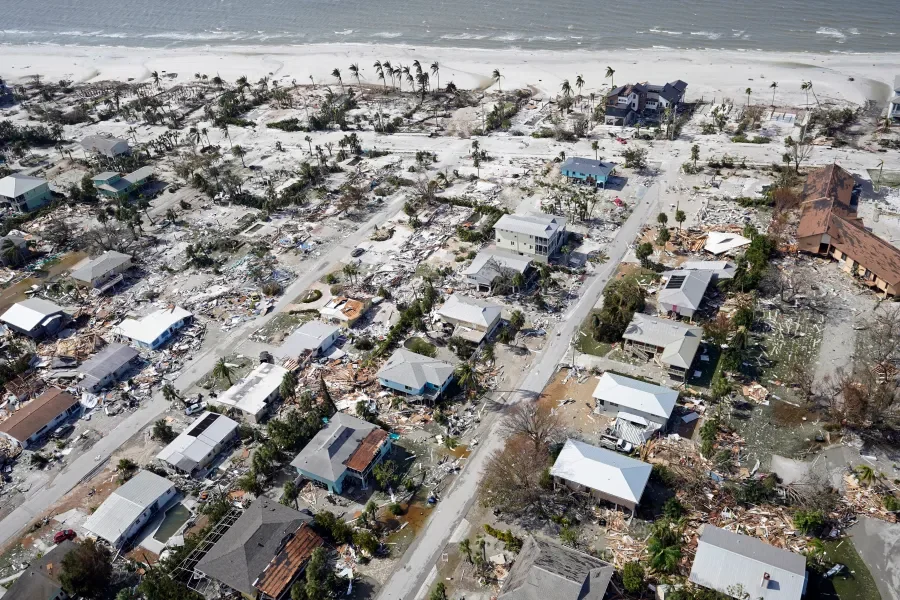
Hurricanes, floods, and severe storms create serious electrical hazards that can persist long after the storm passes. Water-damaged electrical systems can cause electrocution, fires, and equipment damage. Wind-damaged wiring creates shock and fire risks. Florida Construction Specialists coordinates professional electrical safety checks throughout Tampa Bay to identify hazards, ensure safe restoration, and protect property owners from electrical dangers in disaster-damaged buildings.
Electrical Systems and Water Don't Mix
Water and electricity create deadly hazards. Never enter flooded areas where electrical systems may be energized. Never touch electrical equipment, outlets, or wiring while standing in water or on wet surfaces. Do not attempt to turn power on or off if you must stand in water to reach the panel. Even after water recedes, electrical components that were submerged require professional inspection before re-energization.
Types of Electrical Damage After Disasters
Water/Flood Damage
- Submerged electrical panels
- Water intrusion in outlets and switches
- Contaminated wiring in walls
- Corroded connections and components
- Damaged GFCI/AFCI protection
Wind/Impact Damage
- Damaged service entrance and weatherhead
- Torn or damaged exterior wiring
- Debris impact on electrical components
- Exposed wiring from structural damage
- Damaged exterior fixtures and equipment
NFPA and NEC Requirements for Water-Damaged Electrical Systems
The National Electrical Code (NFPA 70) and Florida Building Code govern electrical installations and set requirements for addressing water-damaged systems. Key provisions include:
Mandatory Replacement Items
Per electrical industry standards and manufacturer requirements, the following items that have been submerged in water must be replaced—they cannot be dried out and reused:
- • Electrical panel boards and circuit breakers
- • Ground fault circuit interrupters (GFCIs)
- • Arc fault circuit interrupters (AFCIs)
- • Receptacles (outlets) and switches
- • Wiring in flooded areas (case-by-case evaluation)
- • Light fixtures that were submerged
- • Motors and electrical equipment
Florida Permit Requirements
Electrical repair work following disaster damage typically requires permits per Florida Building Code:
- • Panel replacement requires electrical permit
- • Significant wiring replacement requires permit
- • Service entrance repairs require permit and utility coordination
- • Work must be performed by licensed electrical contractor in Florida
- • Inspection required before utility reconnection
Code Reference: National Electrical Code (NFPA 70), Florida Building Code - Electrical, and local amendments.
Electrical Inspection Components
| Component | Inspection Focus | Common Issues |
|---|---|---|
| Service Entrance | Weatherhead, meter base, service cable condition | Wind damage, water intrusion, loose connections |
| Main Panel | Water exposure, corrosion, breaker function | Submersion damage, contamination, arc damage |
| Branch Wiring | Insulation condition, moisture exposure, connections | Contaminated insulation, corrosion, physical damage |
| Outlets & Switches | Water exposure, function, GFCI/AFCI operation | Internal corrosion, failed protection, arcing |
| Grounding System | Ground rod, bonding, conductor integrity | Corrosion, loose connections, damage |
| Equipment | HVAC, water heater, appliance connections | Motor damage, control damage, connection issues |
Fire and Electrocution Prevention
Damaged electrical systems create two primary hazards: electrocution and fire. Understanding these risks emphasizes why professional inspection is essential:
Electrocution Hazards
- Standing water can become energized
- Damaged insulation exposes conductors
- Failed GFCI protection
- Compromised grounding
- Contact with downed power lines
Fire Hazards
- Arcing from damaged connections
- Overheating from corroded conductors
- Damaged insulation ignition
- Short circuits in wet components
- Failed overcurrent protection
Our Electrical Safety Check Process
Initial Assessment
Before any inspection, we verify power is safely disconnected. Visual assessment identifies obvious damage and determines if it's safe to proceed with detailed inspection.
Service Entrance Evaluation
Inspect utility service entrance, meter base, weatherhead, and service cables for damage. Coordinate with utility company if service repairs are needed before interior inspection can proceed.
Panel Inspection
Detailed examination of main electrical panel including evidence of water exposure, corrosion, contamination, and damage. Breaker testing and evaluation. Subpanels inspected similarly.
Circuit and Device Testing
Testing of branch circuits, outlets, switches, and protective devices. GFCI and AFCI function verification. Identification of damaged devices requiring replacement.
Documentation and Recommendations
Comprehensive report documenting findings, photographing damage, and providing repair recommendations. Report supports insurance claims and permits repair scope for licensed electrical contractor.
Generator Safety After Disasters
Portable generators are common after disasters but create their own hazards. OSHA and NFPA require safe generator operation:
Generator Safety Rules
- Operate outdoors only—never in garage or enclosed space
- Keep at least 20 feet from buildings
- Never backfeed through outlet into building wiring
- Use transfer switch for permanent connection
- Let cool before refueling
- Use heavy-duty extension cords rated for load
- Install CO detectors in building
- Don't overload generator capacity
Frequently Asked Questions
Should I turn off power before a hurricane or flood?
If you can safely access your electrical panel before evacuating or as flooding begins, turning off the main breaker prevents electrical damage and hazards when water reaches the electrical system. However, don't risk contact with water to reach the panel—have the utility company disconnect if flooding is imminent and you can't safely reach the panel. Never stand in water while operating electrical equipment.
When can I turn power back on after flooding?
Never restore power yourself after flooding—even if water has receded. Electrical panels, wiring, and components that have been submerged require professional inspection before re-energization. A licensed electrician must inspect and certify the system safe. Florida requires electrical permits for post-flood restoration work. The utility company will not reconnect until inspection approves the installation.
What are signs of electrical damage after a storm?
Warning signs include: flickering or dimming lights, burning smell from outlets or panels, discolored or warm outlets/switches, sparking when plugging in devices, circuit breakers that trip repeatedly, non-functioning outlets, visible water staining near electrical components, and any buzzing or crackling sounds from the electrical system. Any of these requires immediate professional evaluation.
How long does post-disaster electrical inspection take?
Basic safety evaluation for typical homes takes 1-3 hours. Comprehensive inspection with testing takes 3-6 hours for residential, longer for commercial properties. If damage is found, additional investigation time is needed. Repair time varies based on damage extent. storm response prioritizes safety evaluation; detailed inspection and repairs follow. Large commercial buildings may require multiple days for thorough inspection.
What does post-disaster electrical inspection cost?
Basic safety inspection runs $150-$500 for residential, $300-$2,000+ for commercial depending on size. Comprehensive evaluation with testing costs $300-$1,000 residential, higher for commercial. These costs are typically recoverable through insurance claims when properly documented. Don't let cost deter safety evaluation—electrical hazards can cause fatal electrocution or fires that far exceed inspection costs.
Need Post-Disaster Electrical Assessment?
Florida Construction Specialists coordinates professional electrical safety checks throughout Tampa Bay following hurricanes, floods, and storms. Our network of licensed electricians provides thorough inspection, proper documentation for insurance claims, and safe restoration of electrical systems.
Related Articles
Understanding Tampa Insurance Restoration Claims
Navigate the insurance claim process for property damage restoration in Tampa Bay.
Read MoreTampa Insurance Restoration for Hurricane Damage
Expert restoration services for properties damaged by Florida hurricanes.
Read MoreInsurance Arbitration and Appraisal
When and how to use appraisal and arbitration to resolve insurance disputes.
Read MoreClaims Negotiation for Property Damage
Maximize your insurance settlement with professional claims support.
Read MoreRelated Disaster Recovery Services
Electrical Safety After the Storm
Our certified estimators and licensed contractors handle the entire restoration process, from emergency response through final inspection. We work directly with your insurance company.