
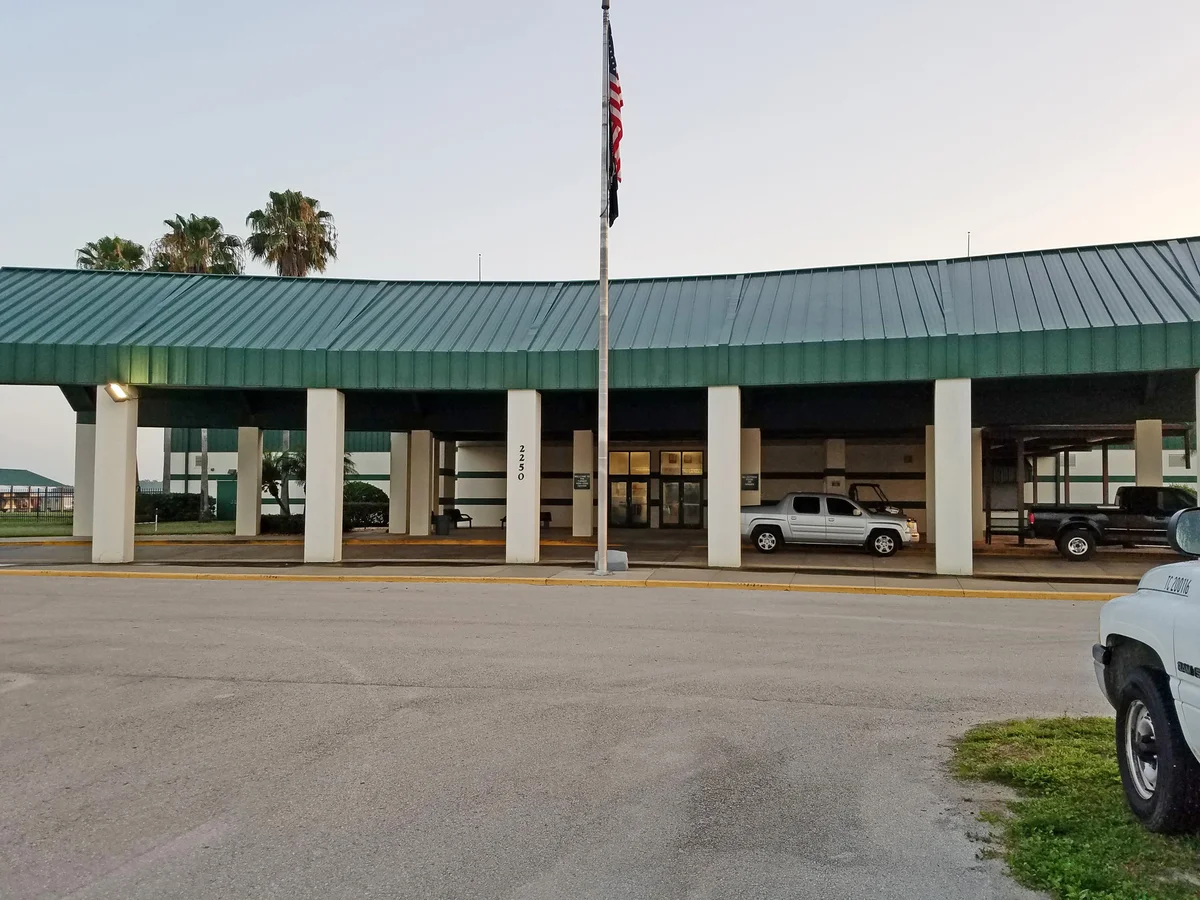
Upgrade Commercial Sprinklers During Renovation: The Smart Strategy
Renovation provides the perfect opportunity to upgrade your Tampa commercial building's fire sprinkler system. Open ceilings, coordinated scheduling, and combined mobilization create significant cost advantages.
Life Safety
Protect employees, customers, and tenants from fire emergencies
Property Protection
Minimize fire damage and business interruption losses
Insurance Savings
Reduce premiums with modern fire suppression systems
Code Compliance
Meet current Florida Fire Prevention Code requirements
Why Renovation Is the Ideal Time for Sprinkler Upgrades
Fire sprinkler systems are among the most effective life safety investments a commercial building owner can make. Modern sprinkler systems control or extinguish fires in over 96% of activations, dramatically reducing loss of life, property damage, and business interruption. Yet many Tampa Bay commercial buildings have sprinkler systems that are decades old, undersized for current use, or completely absent. Renovation provides a unique window to address these deficiencies cost-effectively. Florida Construction Specialists brings over four decades of commercial construction expertise to every project, backed by CBC license CBC1262722 and an in-house engineering team.
The economics are compelling: when ceilings are already open for other renovation work, sprinkler installation or modification costs 30-50% less than standalone projects. Coordinated scheduling eliminates multiple mobilizations and reduces overall project duration. And addressing fire protection during renovation often allows work to proceed without the operational disruptions a separate sprinkler project would cause.
Understanding Florida's Fire Sprinkler Requirements
Florida's fire codes are among the nation's most comprehensive, reflecting our state's high-density development, tourism economy, and catastrophic fire history. The Florida Fire Prevention Code, adopted with modifications from NFPA standards, establishes when sprinkler systems are required and how they must be designed and maintained.
For existing buildings, sprinkler requirements are typically triggered by changes in use, substantial renovation, or additions. A warehouse converting to retail, an office building adding assembly space, or a renovation affecting more than 50% of building area or value may require full sprinkler installation or upgrade to current standards. Understanding these triggers early in renovation planning prevents costly mid-project surprises.
Tampa's Fire Prevention Bureau reviews all commercial renovation permits for fire protection compliance. Their plan review identifies required sprinkler work and ensures proposed systems meet code. Building inspections verify proper installation. Working with experienced contractors who understand local requirements prevents delays from plan review rejections or failed inspections.
Types of Sprinkler Modifications During Renovation
Renovation scope determines what sprinkler work is needed. Understanding the categories helps with budgeting and planning.
Coverage Modifications: When partition walls move, sprinkler head locations must maintain proper coverage. New rooms require additional heads. Combined spaces may allow head removal. These modifications are relatively straightforward when ceiling access is already available. Typical costs run $500-1,500 per relocated head including design, permit, and inspection.
System Upgrades: Older systems may have corroded piping, obsolete head types, or inadequate water supply. Renovation provides opportunity to address these deficiencies. Replacing galvanized steel piping with CPVC or grooved steel eliminates corrosion concerns. Modern quick-response heads activate faster and use less water. Larger supply mains support increased coverage density.
Complete System Installation: Buildings without existing sprinklers may require full installation when renovation triggers code requirements. This is the most significant scope, but renovation timing dramatically reduces cost. New systems must be designed to current codes, which often exceed original building requirements.
Commercial Sprinkler Costs - Tampa Bay 2024
| Work Type | Cost Range | Key Factors |
|---|---|---|
| Head Relocation (during renovation) | $500 - $1,200/head | Access, pipe routing |
| New System (open ceiling) | $4 - $8/SF | Hazard class, building height |
| New System (finished ceiling) | $8 - $15/SF | Ceiling repair costs included |
| System Replacement (corroded) | $5 - $10/SF | Removal + new installation |
| Fire Pump Addition | $50,000 - $150,000 | Size, power requirements |
| Fire Department Connection | $8,000 - $15,000 | Location, pipe routing |
| Inspection/Testing/Certification | $1,500 - $4,000 | System size, testing scope |
*Costs assume coordination with renovation work. Standalone projects typically cost 30-50% more due to ceiling access and mobilization.
Coordinating Sprinkler Work with Renovation
Successful sprinkler integration requires careful coordination with other trades. The sequence of work matters: electrical and HVAC rough-in must coordinate with sprinkler pipe routing; drywall installation must wait until sprinkler inspection is complete; and final ceiling installation must accommodate sprinkler head locations. Florida Construction Specialists manages this coordination as part of comprehensive project management.
Design Coordination: Sprinkler design must begin early in the renovation design process. Ceiling heights, partition locations, and HVAC layouts all affect sprinkler head placement. Changes late in design force expensive sprinkler redesigns. Our design-build approach integrates fire protection design from project inception.
Permit Timing: Sprinkler permits are separate from general building permits in most Tampa Bay jurisdictions. These permits require engineered drawings that take 2-4 weeks to prepare after architectural design is complete. Plan review adds 2-3 weeks. Building this timeline into the overall project schedule prevents delays.
Inspection Sequencing: Sprinkler systems require inspection before ceilings are closed. This "rough-in" inspection must be scheduled when all sprinkler work is complete but before drywall or ceiling tile installation. Failing to schedule this inspection properly can require expensive ceiling removal to allow re-inspection.
Insurance and Financial Benefits
Beyond life safety and property protection, modern sprinkler systems deliver tangible financial benefits. Commercial property insurance premiums typically drop 5-20% for properly sprinklered buildings, with the exact reduction depending on insurer, building type, and coverage terms. For a building with $50,000 annual premiums, this represents $2,500-$10,000 in annual savings.
Many commercial lenders require sprinkler systems for financing, particularly for hospitality, healthcare, and assembly occupancies. Building owners seeking refinancing or new loans may need to add or upgrade sprinklers to qualify for preferred terms. Addressing this during renovation minimizes disruption and combines costs.
From a property value perspective, sprinkled buildings command higher prices and attract more buyers than unprotected properties. The combination of lower insurance costs, reduced fire risk, and broader marketability typically returns 100-300% of sprinkler investment at sale.
Choosing the Right Fire Protection Partners
Fire sprinkler work requires specialized licensing and expertise. In Florida, fire sprinkler contractors must hold specific state licenses separate from general contracting. They must employ designers certified by NICET (National Institute for Certification in Engineering Technologies) and maintain insurance specific to fire protection work.
Florida Construction Specialists maintains relationships with Tampa Bay's most respected fire protection contractors. We pre-qualify these partners based on licensing, experience, financial stability, and track record. When sprinkler work is part of your renovation, we manage coordination, scheduling, and quality control—you benefit from expert fire protection without managing an additional contractor relationship.
Signs Your Sprinkler System Needs Attention
Frequently Asked Questions
What triggers mandatory sprinkler upgrades during renovation?
Florida Building Code triggers sprinkler upgrades in several scenarios: change of occupancy classification (e.g., warehouse to retail), substantial renovation affecting more than 50% of building area or value, addition of assembly spaces over threshold sizes, and addition of high-hazard occupancies. Even when not mandatory, fire marshals often recommend upgrades when renovation provides access. Understanding triggers early helps budget appropriately—discovering mid-project that sprinklers are required can significantly impact costs and schedule.
How much do commercial sprinkler system upgrades cost in Tampa?
Commercial sprinkler costs in Tampa typically range from $4-12 per square foot for new systems, with upgrades and modifications often less depending on existing infrastructure. Key cost factors include: building height (high-rise requires more expensive systems), hazard classification (higher hazards need denser coverage), ceiling type (exposed vs. concealed systems), and water supply adequacy (some buildings need upgraded service). For a 20,000 SF commercial building, full sprinkler installation ranges $80,000-240,000. Modifications to existing systems during renovation typically cost $2-6 per square foot of affected area.
Can existing sprinkler systems be modified during renovation?
Yes, and renovation provides an ideal opportunity. Moving walls requires relocating sprinkler heads to maintain proper coverage. Changing ceiling heights may require different head types or spacing. New rooms need additional coverage. These modifications must be designed by a licensed fire protection engineer and installed by licensed fire sprinkler contractors. When ceilings are already open for other renovation work, sprinkler modifications cost significantly less than standalone projects.
What types of sprinkler systems are used in commercial buildings?
The most common commercial systems are wet pipe (water-filled pipes, fastest activation, used in heated spaces), dry pipe (air-filled pipes that release water when activated, used where freezing is possible), pre-action (requires two triggers—both detection and head activation—used where accidental discharge is catastrophic like data centers), and deluge (all heads open simultaneously, used in high-hazard industrial applications). Most Tampa commercial buildings use wet pipe systems since freezing isn't a concern. System selection depends on building use, hazard classification, and environmental conditions.
How do sprinkler upgrades affect insurance premiums?
Modern sprinkler systems can significantly reduce commercial property insurance premiums—typically 5-20% depending on building type, insurer, and coverage. Some insurers provide additional credits for monitored systems with central station connections. Beyond premium reductions, sprinklered buildings often qualify for higher coverage limits and lower deductibles. Payback period for sprinkler investment through insurance savings alone often runs 10-15 years, with life safety and property protection benefits providing additional value.
What maintenance do commercial sprinkler systems require?
Florida Fire Prevention Code requires regular inspections and maintenance: quarterly visual inspections of all system components, annual inspections by licensed contractors including flow tests, five-year internal pipe inspections for wet systems, and ten-year internal pipe inspections for dry systems. Tampa Bay's water quality can accelerate corrosion, making inspection and maintenance particularly important. We help clients establish maintenance programs during project closeout.
Should we upgrade fire alarm systems at the same time?
We strongly recommend coordinating fire alarm and sprinkler work. Modern fire alarm systems integrate with sprinkler monitoring for faster response. Addressable alarm systems pinpoint fire location and sprinkler activation, improving evacuation and fire department response. Voice evacuation systems (required in many occupancies) provide clear occupant guidance. Coordinating these systems during renovation ensures proper integration and avoids the cost and disruption of separate projects.
Related Articles
Mastering Commercial Construction Design in Florida
Learn the ins and outs of architectural design and commercial building design with our comprehensive guide for Florida projects.
Read MoreBenefits of Design-Build for Commercial Projects
Discover how design-build delivery streamlines commercial construction with single-source accountability.
Read MoreCommercial Construction Budgeting Tips
Expert strategies for developing and managing budgets for commercial construction in Florida.
Read MoreTips for Commercial Renovation in Florida
Key considerations for successful commercial renovation projects in the Sunshine State.
Read MorePlanning a Renovation? Include Fire Protection Assessment
Contact Florida Construction Specialists for expert commercial construction services across Tampa Bay. From design-build to tenant improvements, our team delivers quality results on time and on budget.